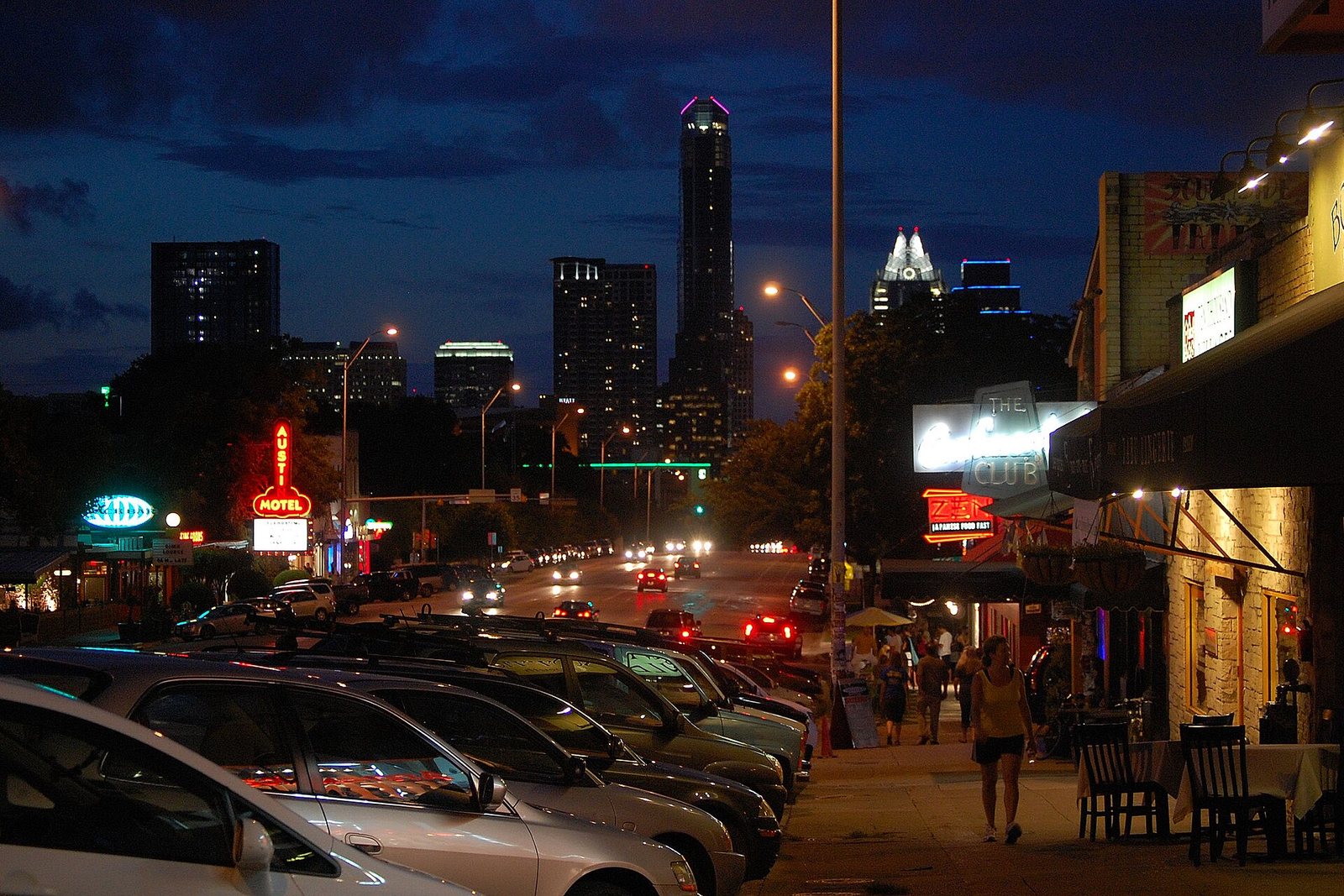
The best Austin neighborhoods for tourists are the ones you can explore on foot in an afternoon: Downtown, with the Capitol, Congress Avenue and Sixth Street; South Congress, across the river, for shops, music and neon; and East Austin, for barbecue, tacos and bars. After dark, add Rainey Street and the Red River Cultural District. Beyond that core, Zilker is Austin’s backyard, the UT campus and Hyde Park hold museums and old houses, Clarksville carries freedmen’s history, Mueller is a family-friendly neighborhood built on an old airport, and the Domain is where Austin goes shopping.
This guide is for first-time visitors deciding where to spend their days, and returning visitors ready to go beyond Congress Avenue. The caveat that matters: Austin’s neighborhoods are spread out and changing fast. Towers now stand over Rainey’s bungalow bars, I-35 is being rebuilt between downtown and the East Side, and some landmarks are closed for restoration. Openings, closures, hours and transit links below were checked on September 23, 2026 against the City of Austin, CapMetro, the Texas State Historical Association and the venues themselves. For choosing a hotel base, our guide to where to stay in Austin compares the same areas for sleeping.
What’s closed or different right now?
- The Paramount Theatre is closed until spring 2027. Congress Avenue’s 1915 theater is in the middle of its first full restoration in nearly 50 years.
- The South Congress Hotel is closed for renovation. It shut around May 31, 2026 and is expected to reopen in spring 2027 as The Standard. Its Mañana coffee shop stays open.
- The Elisabet Ney Museum in Hyde Park is closed. The City expects the free sculpture-studio museum to reopen in spring 2027.
- Sixth Street works differently. For decades, Sixth between Congress Avenue and Red River closed to cars on weekend nights. The City has since moved pedestrians onto widened, protected sidewalks; the street stays open to westbound traffic, while the cross streets at San Jacinto, Trinity and Neches close Thursday through Sunday.
- ACL Festival’s second weekend is October 9-11. Zilker Park’s lots stay closed until October 18, and Zilker Botanical Garden and the UMLAUF Sculpture Garden close on the festival weekend.
- I-35 construction. TxDOT’s rebuild through central Austin means shifting crossings between downtown and East Austin; follow posted detours on foot.
Which Austin neighborhood fits your trip?
| If you want… | Go to | Why |
|---|---|---|
| The classic first visit | Downtown and South Congress | The Capitol, the bats, Congress Avenue and the SoCo strip, all walkable |
| Live music every night | Red River, Sixth Street and South Congress | The densest cluster of stages in the city |
| Food above all | East Austin | Barbecue, tacos, trailers and chef-driven restaurants |
| A big night out | Rainey Street and Sixth Street | Bungalow bars, rooftops and crowds |
| Outdoors and swimming | Zilker and Barton Springs | Barton Springs Pool, the Greenbelt and the lake trail |
| Museums | The UT campus and the Capitol area | The Blanton, the LBJ Library, the Harry Ransom Center and the Bullock |
| History and old houses | Hyde Park and Clarksville | Streetcar-era homes and a freedmen’s community |
| A relaxed family day | Mueller | A lake park, the Thinkery and a Sunday farmers market |
| Shopping | The Domain and South Congress | National brands up north; boots and boutiques on SoCo |
The best Austin neighborhoods to explore
These are ranked for visitors: how much there is to see and do, how walkable it is, and how easy it is to reach from a central hotel.
1. Downtown and Congress Avenue
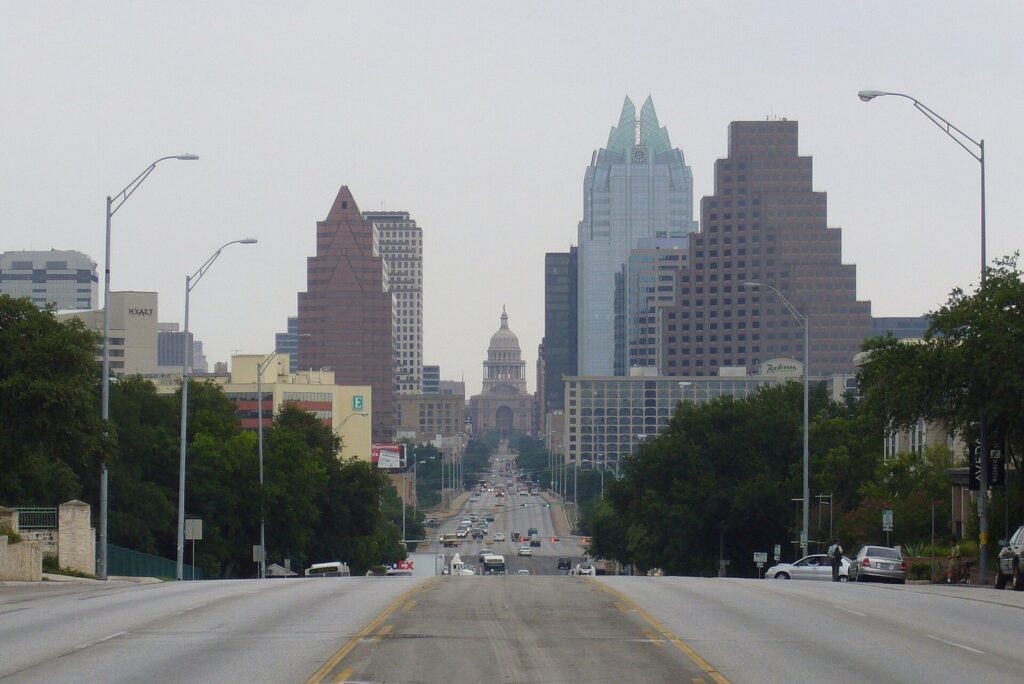
Where it is: roughly from Lady Bird Lake north to the Capitol, between Lamar Boulevard and I-35. Best for: first-timers, museums, history and the bats.
Downtown is where most visitors start, and it rewards a slow walk up Congress Avenue from the river to the Capitol. The Texas State Capitol runs free guided tours every 15 to 30 minutes, the Bullock Texas State History Museum sits a few blocks north, and Mexic-Arte, on Congress at Fifth Street, is free on Sundays. The O. Henry Museum and Brush Square, the Central Library’s rooftop garden on César Chávez Street and the Treaty Oak on Baylor Street fill in the gaps. The Driskill Hotel, opened in 1886 by cattle baron Jesse Driskill at Sixth and Brazos, is worth a look inside its grand lobby.
On Saturday mornings, the SFC Farmers’ Market fills Republic Square Park at Fourth and Guadalupe from 9 a.m. to 1 p.m. At dusk from spring into fall, walk to the Congress Avenue Bridge for the bat flight. For music, ACL Live at the Moody Theater and the Elephant Room, a basement jazz club at 315 Congress, are both downtown. One gap this year: the Paramount Theatre, Congress Avenue’s grand 1915 stage, is closed for restoration until spring 2027.
Getting there and around: it’s walkable end to end, about a mile from the bridge to the Capitol. Street meters downtown run Monday and Tuesday until 6 p.m., Wednesday through Saturday until midnight, and are free on Sundays. Most Rapid and local bus routes pass through.
Verdict: The essential first half-day. Start at the Capitol in the morning, work south, and finish at the bridge for sunset.
2. South Congress (SoCo)
Where it is: Congress Avenue south of the river, with the busiest strip roughly between Riverside Drive and Oltorf Street. Best for: shopping, people-watching, live music and a skyline view back up the avenue.
South Congress is Austin’s showroom: vintage shops, boot stores, food trucks, neon signs and a steady stream of visitors photographing the “i love you so much” mural on the side of Jo’s Coffee at 1300 South Congress. Jo’s, open since 1999, is the default caffeine stop. Allens Boots, at 1522 South Congress since 1977, is the place to try on Texas footwear, and the Continental Club at 1315 South Congress, which opened in 1955 as a supper club, still books music most nights, with an early “happy hour” set at 6:30 p.m. and weekend matinees. Hotel San José’s courtyard sits across the street. Over on South First Street, at Annie Street, the “Greetings from Austin” postcard mural draws its own photo line.
The South Congress Hotel is closed for renovation until spring 2027, though its coffee shop, Mañana, stays open. Street parking on SoCo is paid from 8 a.m. to midnight Monday through Saturday and from 1 p.m. on Sundays, and only through the City’s Park ATX app.
Getting there: walk across the Congress Avenue Bridge from downtown (about 1.5 miles from Sixth Street to the heart of the strip), or ride Rapid 801, which links South Congress with downtown and UT.
Verdict: Worth an afternoon and an evening. Come back after dark, when the neon is on and the Continental Club’s late sets start.
3. East Austin
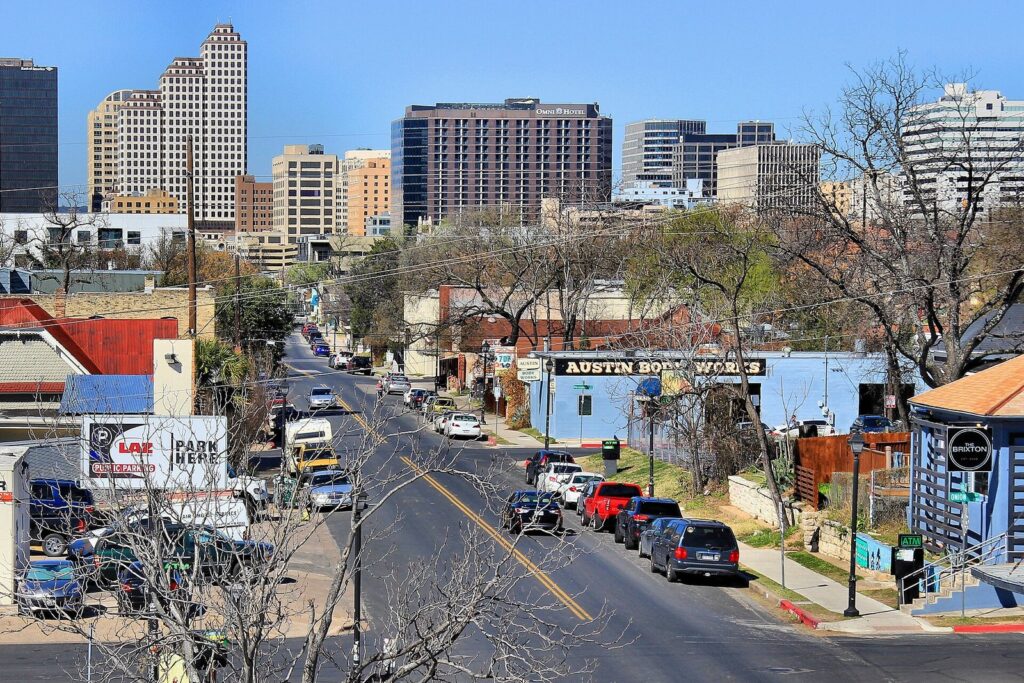
Where it is: east of I-35, centered on East Sixth Street, East Cesar Chavez and the streets between. Best for: food, bars, murals and Austin’s Black and Mexican American history.
If you plan your trip around meals, you’ll spend time here. Franklin Barbecue, at 900 East 11th Street, opens Tuesday through Sunday at 11 a.m. and sells until the meat runs out, usually by 2 or 3 p.m.; the line forms long before. Joe’s Bakery & Coffee Shop has served East Austin since 1962, with handmade tortillas and breakfast all day. East Sixth, past I-35, trades the tourist bars of downtown for patios, cocktail bars and live music.
The East Side is also Austin’s history. The George Washington Carver Museum, Cultural and Genealogy Center is free, and the French Legation, opened in 1841 as the home of France’s envoy to the Republic of Texas and one of the oldest houses in Austin, sits on a hill at 802 San Marcos Street. The Texas State Cemetery, 18 acres about a mile east of the Capitol, holds Stephen F. Austin and Barbara Jordan among its roughly 3,200 burials. Farther southeast near the airport, HOPE Outdoor Gallery reopened in November 2025 with free public paint walls.
Getting there: walk from downtown under I-35 (mind the construction detours) or ride the bus; street meters between I-35 and Chicon Street run Monday through Saturday until midnight. Our guide to the best restaurants in Austin covers where to eat here in depth.
Verdict: The best neighborhood for eating. Go hungry, go early for barbecue, and come back for drinks.
4. Rainey Street
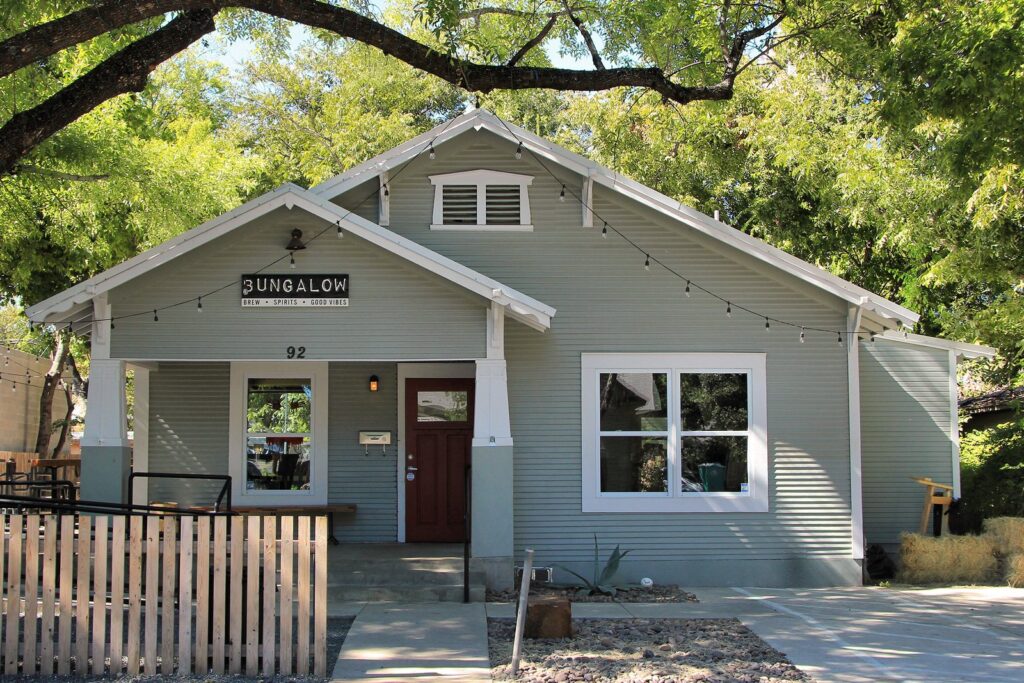
Where it is: a short street at the southeast corner of downtown, in the pocket between Cesar Chavez Street, Waller Creek, I-35 and Lady Bird Lake. Best for: bar-hopping, patios and a younger crowd.
Rainey Street’s story explains its look. Its bungalows, built between the late 1800s and the 1940s, were listed on the National Register as the Rainey Street Historic District in 1985. In 2004 and 2005, the City rezoned the area for downtown-style development, and a City planning document later noted that most of the old houses had become bars or restaurants. Since then, high-rise hotels and apartments have gone up all around, so today you drink on an old bungalow porch in the shadow of a high-rise. Hotel Van Zandt and the Fairmont are a short walk away.
Evenings and weekends are the time to go; many bars are quiet by day. The Butler Trail passes the foot of the street, though its north-shore stretch near Rainey and I-35 has intermittent detours into January 2027.
Verdict: Fun for a night out, less so for sightseeing. Pair it with dinner in East Austin or on the lake.
5. Sixth Street and the Warehouse District
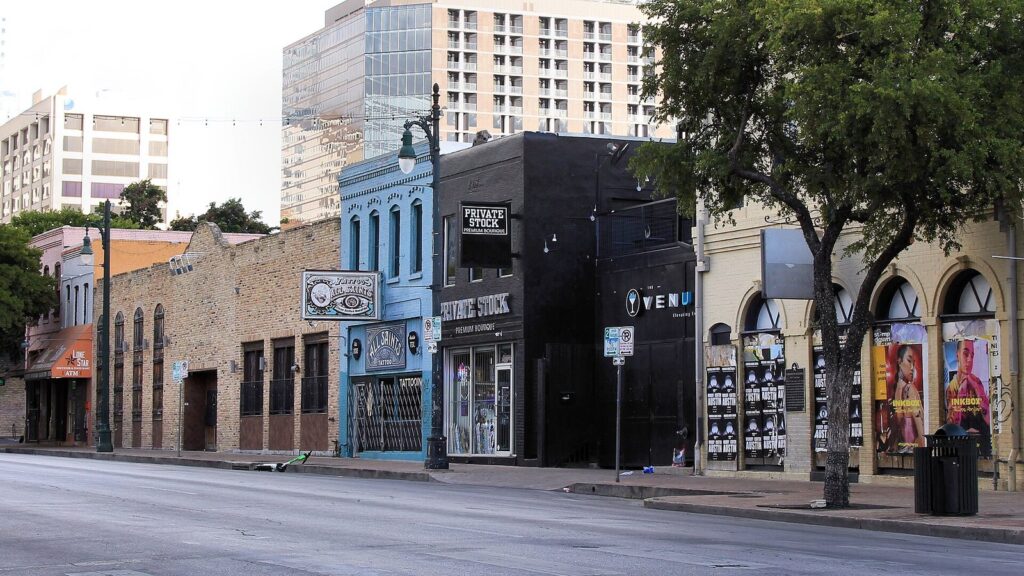
Where it is: Sixth Street’s historic district runs roughly between Fifth and Seventh streets from Lavaca Street to I-35; the Warehouse District sits just west, around Fourth and Fifth streets. Best for: nightlife, Victorian architecture and comedy.
Sixth Street was Pecan Street on Edwin Waller’s 1839 plan of Austin and was renamed in 1884. It has what the Texas Historical Commission calls Austin’s largest concentration of Victorian commercial architecture, and by day you can see it: carved stone, cast-iron fronts and the Driskill at the corner of Brazos. By night, the blocks east of Congress fill with a college-age bar crowd, while the Warehouse District to the west draws an older, more upscale one. Esther’s Follies, at 525 East Sixth, stages musical comedy and magic from Thursday to Saturday, with tickets from $30 plus a service fee.
The street itself has changed. According to the City, instead of closing to cars on weekend nights, Sixth now stays open to westbound traffic with widened, protected sidewalks for the crowds, and the cross streets at San Jacinto, Trinity and Neches close Thursday through Sunday.
Verdict: Walk it by day for the buildings, and by night only if a loud bar crawl is your idea of fun. Our Austin nightlife guide helps you pick between the districts.
6. Red River Cultural District
Where it is: the 600 to 900 blocks of Red River Street, on the east edge of downtown. Best for: live music, from punk to indie to country.
If Austin’s “Live Music Capital” label means anything, it means these few blocks. Stubb’s Bar-B-Q at 801 Red River has indoor and outdoor stages and a Sunday gospel brunch; Mohawk, opened in 2006, stacks stages indoors and out; Cheer Up Charlies, Swan Dive, Elysium and Empire Control Room & Garage are all within a couple of blocks. Every January, during Free Week, venues across the district drop the cover for local bands (January 9-10 in 2026). A few blocks away on East Fifth Street, Antone’s, founded in 1975, calls itself the home of the blues.
Verdict: The place to spend at least one night. Check a few venue calendars, pick a headliner, and wander between shows. Our guide to live music in Austin has the full venue rundown.
7. Zilker, Barton Springs and South Lamar
Where it is: across Lady Bird Lake southwest of downtown, around Zilker Park and Barton Springs Road, with South Lamar Boulevard to the east. Best for: the outdoors, swimming and a local, low-key feel.
Zilker is Austin’s backyard: more than 350 acres of park with Barton Springs Pool (68 to 70 degrees all year; $9 for a non-resident adult), the Zilker Botanical Garden, the UMLAUF Sculpture Garden, the Zilker Eagle mini train and the lower end of the Barton Creek Greenbelt. Barton Springs Road runs east from the park toward South Congress past longtime restaurants. South Lamar has its own music landmarks: the Saxon Pub, a singer-songwriter room since 1990, and the Broken Spoke, open since 1964 and billed as the last of the true Texas dance halls, where two-step lessons run Wednesday through Saturday evenings. The Alamo Drafthouse’s South Lamar theater is here too.
Getting there: CapMetro Route 30 stops at Barton Springs, Rapid 803 runs down South Lamar, and the lake trail links Zilker with downtown on foot or by bike. This month, remember that ACL Festival holds most Zilker parking lots until October 18. Our guide to outdoor activities in Austin covers the trails and parks.
Verdict: The best half-day in Austin on a hot day. Swim first, then eat on Barton Springs Road or South Lamar.
8. The University of Texas campus
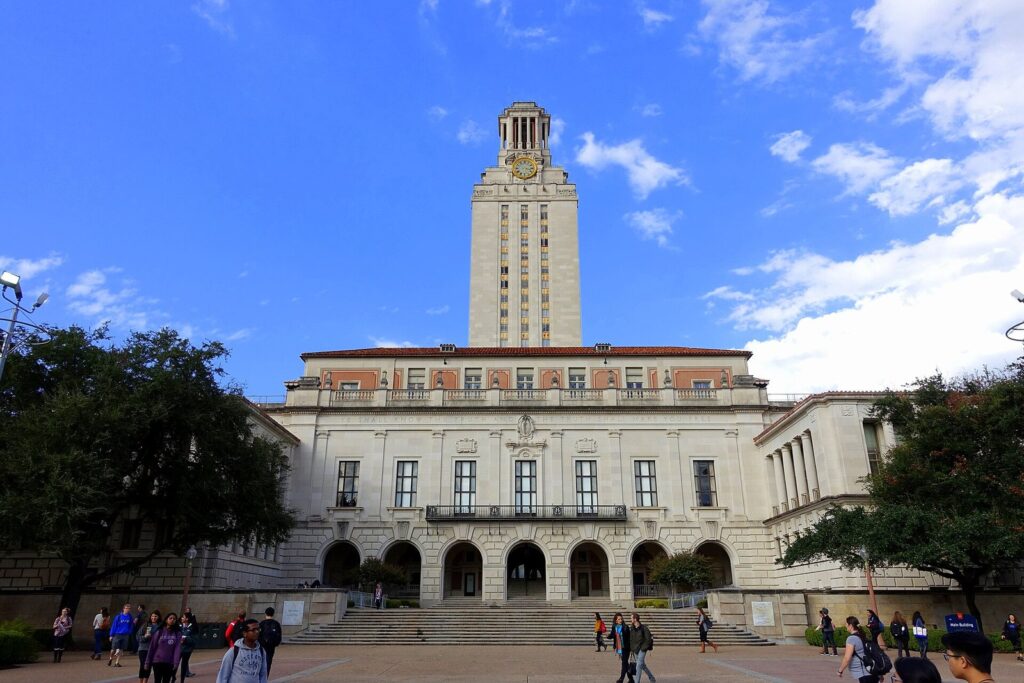
Where it is: north of the Capitol, from Martin Luther King Jr. Boulevard up past Dean Keeton Street, with Guadalupe Street, known as the Drag, on its west edge. Best for: museums, architecture and a campus stroll.
UT’s campus is one of Austin’s best museum districts. The Blanton Museum of Art ($15 for adults, free every Tuesday) sits on the south edge, with Ellsworth Kelly’s chapel-like Austin included in admission. The Harry Ransom Center is free and holds a Gutenberg Bible among its collections. The LBJ Presidential Library ($16, half price on Tuesdays) is on the east side off Red River Street, and the Texas Science & Natural History Museum is free on the fourth Sunday of the month. For music, the Cactus Cafe on campus, open since 1979, is an intimate listening room, and the Hole in the Wall on the Drag has given early stages to Spoon and Shakey Graves.
One change for 2026: the Tower and Main Building are wrapped in scaffolding and a decorative covering during a restoration expected to last through summer 2027, and Tower observation deck tours are suspended until it’s done.
Getting there: Rapid 801 and 803 both run along the campus’s west side, and Route 20 from the airport continues to UT. On home football Saturdays, the streets around campus clog for hours.
Verdict: Plan a Tuesday here: the Blanton is free, the LBJ Library is half price and the Ransom Center is always free.
9. Hyde Park
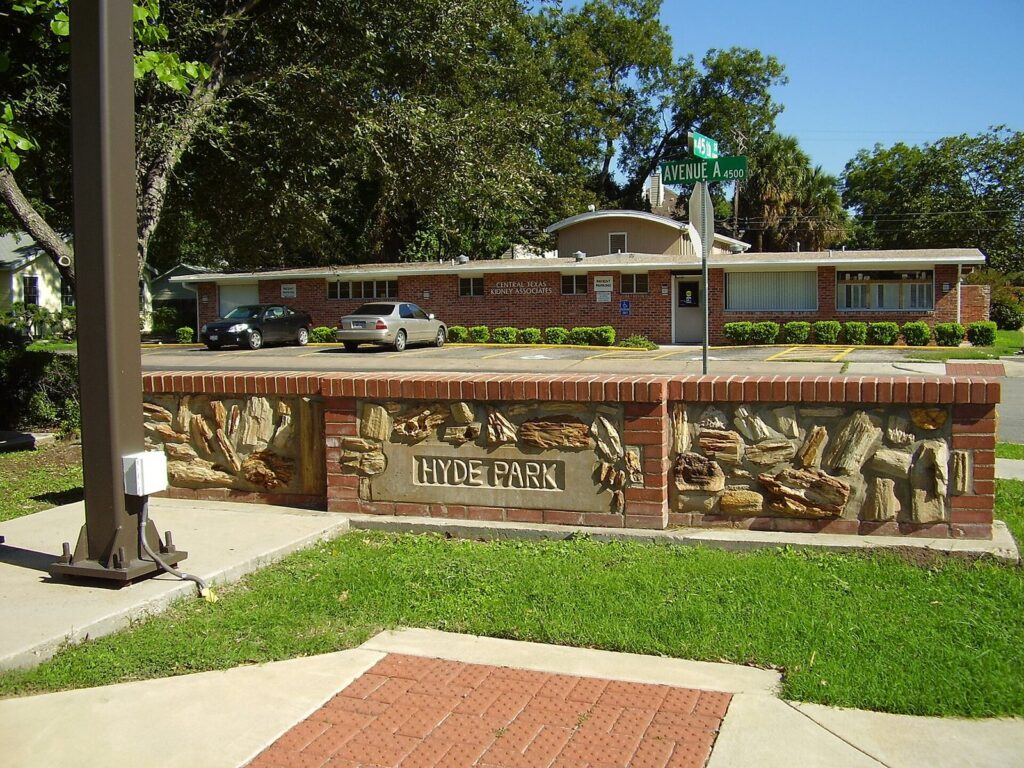
Where it is: north of the UT campus, on a grid of lettered avenues around Avenue B and Duval Street. Best for: a quiet walk among historic houses and neighborhood cafés.
Hyde Park was platted in 1891 and marketed by developer Monroe Shipe as an upscale suburb, linked to downtown by his streetcar line, which was finished the same year. Its tree-lined blocks of Victorian and bungalow homes make for Austin’s most pleasant residential walk, with small neighborhood restaurants and coffee shops along the main streets. Its best-known sight, the Elisabet Ney Museum, the 19th-century sculptor’s studio at 304 East 44th Street, is closed for renovation until spring 2027, but you can still see its grounds from the street.
Verdict: A calm hour or two after the UT museums. Come for the houses and the shade, not for big-ticket sights this year.
10. Clarksville and Old West Austin
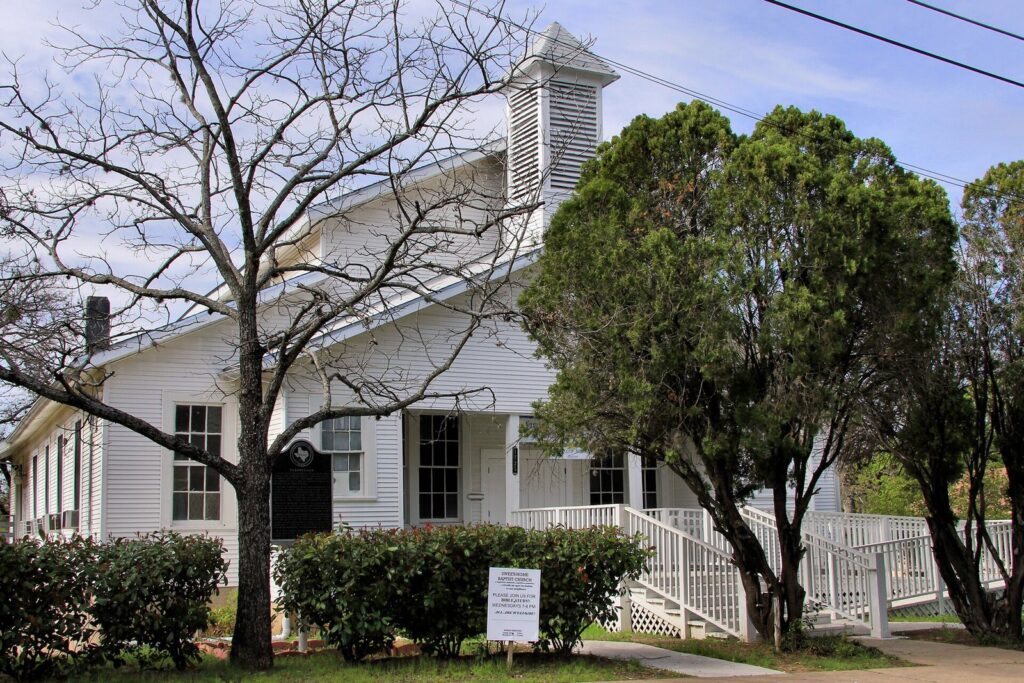
Where it is: just west of downtown, west of Lamar Boulevard around West Lynn Street and West 11th Street, with the West Sixth Street shops and bars nearby. Best for: history, quiet streets and a neighborhood lunch.
Clarksville began as a freedmen’s community. Charles Clark, a formerly enslaved man, bought two acres here in August 1871, then about half a mile west of the city limits, and divided the land among other freedmen. It was one of several such communities in Austin, along with Masontown, Wheatville and Pleasant Hill. Today the small streets hold old cottages, churches such as Sweet Home Baptist, a City splash pad on West 11th and a handful of well-loved local restaurants and shops. Deep Eddy Pool, which the City calls the oldest swimming pool in Texas, is a short drive west.
Verdict: Worth a walk if you like history or are staying west of downtown. Pair it with Deep Eddy or Mount Bonnell.
11. Mueller
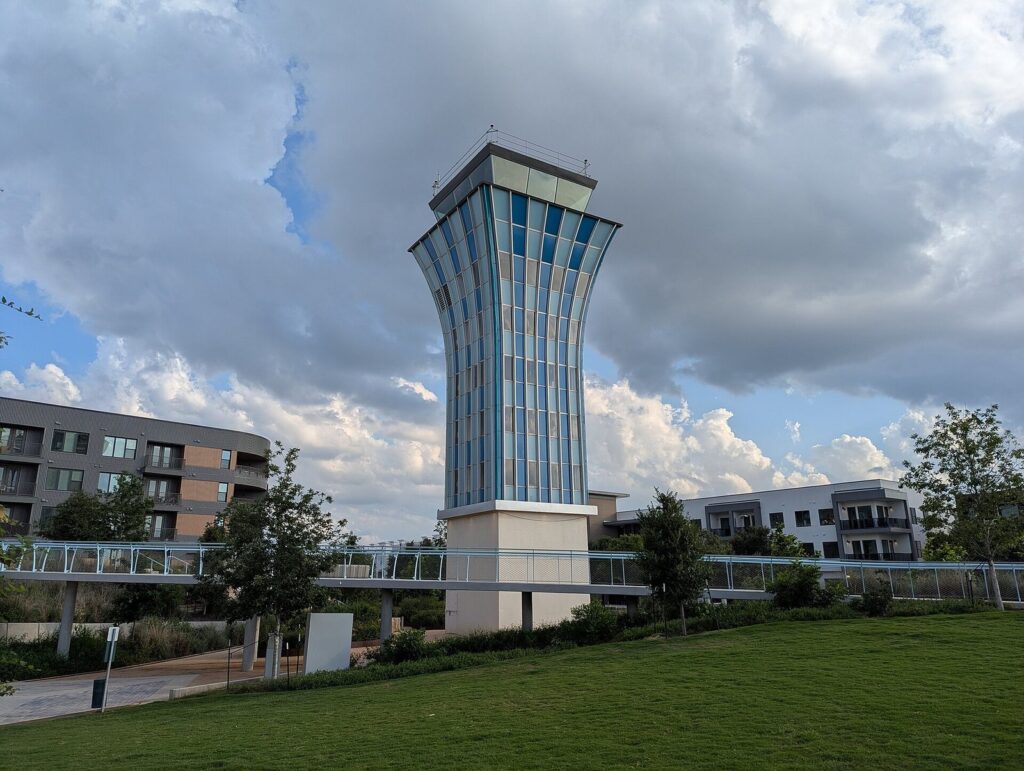
Where it is: about three miles northeast of downtown, on the site of the old Robert Mueller Municipal Airport. Best for: families, a Sunday market and a look at a neighborhood built from scratch.
Austin’s airport sat here from 1930 until flights moved to Austin-Bergstrom in 1999. The site is now a 700-acre planned neighborhood of homes, shops and parks, with the 1961 control tower kept as a landmark. Mueller Lake Park has a 6.5-acre lake, an amphitheater, a playscape and a loop trail. On Sundays from 10 a.m. to 2 p.m., the producer-only Texas Farmers’ Market sets up in the park year-round. The Thinkery, Austin’s children’s museum at 1830 Simond Avenue, is open Tuesday through Sunday ($19.95 for ages 1 and up), and there’s an Alamo Drafthouse cinema on Aldrich Street.
Getting there: Rapid 800 Pleasant Valley, which reached full service in June 2026, runs from Mueller south through East Austin. Our guide to Austin with kids has more on the Thinkery and family days.
Verdict: A great Sunday morning with kids. Skip it if you’re short on time and traveling without them.
12. The Domain
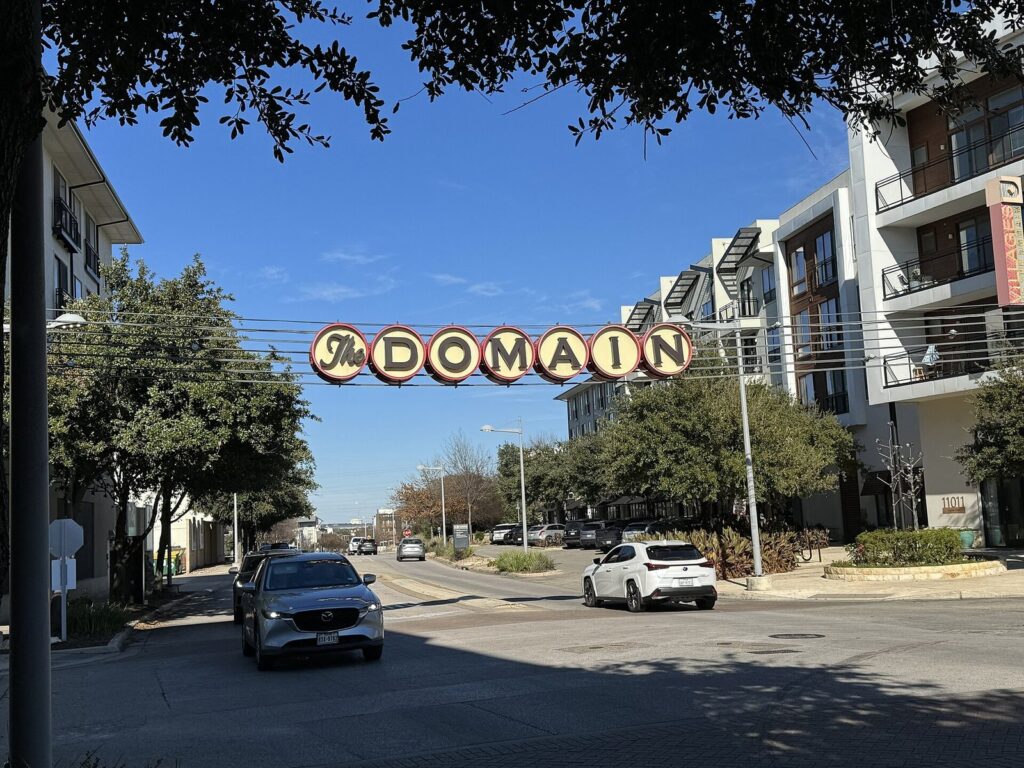
Where it is: North Austin, about 10 miles north of downtown near MoPac and Braker Lane. Best for: shopping, chain restaurants and a busy bar district.
The Domain is an open-air shopping district with more than 100 stores and restaurants, anchored by Neiman Marcus, Macy’s and Dillard’s, with luxury boutiques, national chains and big-name restaurants. Its Rock Rose district, in Domain Northside, is a small nightlife zone of bars and patios. It feels more like a new downtown for North Austin than like old Austin, which is exactly why locals use it. The Archer Hotel is on site.
Getting there: Rapid 803 runs from the Domain down Burnet Road through UT and downtown to South Lamar; by car, allow 20 minutes or more from downtown, longer at rush hour.
Verdict: Go if you need to shop or you’re staying up north. For a first trip, South Congress is the more Austin shopping street.
Which other areas are worth knowing?
The twelve neighborhoods above cover most trips, but a few more areas come up when you plan specific sights.
West Austin and Tarrytown
The hilly, leafy west side is where you’ll find Mount Bonnell, the 784-foot promontory in Covert Park with a free climb to views over Lake Austin, and Mayfield Park next door, with free-roaming peafowl and walled gardens. Deep Eddy Pool sits on Lake Austin Boulevard at the neighborhood’s edge. There’s little to do after dark, and you’ll want a car or rideshare to get around.
South First and Bouldin Creek
A few blocks west of South Congress, South First Street is a lower-key strip of taco spots, coffee shops and bars, with the “Greetings from Austin” postcard mural at Annie Street. It’s an easy detour on a SoCo afternoon, and quieter.
Southeast Austin and the airport area
Beyond the airport, HOPE Outdoor Gallery’s new home at 741 Dalton Lane, with free public paint walls since November 2025, and McKinney Falls State Park, 13 miles from the Capitol, are the draws, along with Circuit of The Americas for Formula 1 weekend. It’s a car-or-rideshare part of town.
The Capitol Complex and the Capitol Mall
North of the Capitol, the state office district stretches toward UT along the Capitol Mall, where the Bullock Museum and the Blanton face each other near Martin Luther King Jr. Boulevard. It’s the natural walking link between downtown and campus.
How do you get between Austin neighborhoods?
The central neighborhoods link up well; the outer ones need a bus, a bike or a car. These are rough walking distances from the middle of downtown, Congress Avenue at Sixth Street.
| To | On foot | By transit |
|---|---|---|
| The Capitol | About 10 minutes | Any Congress Avenue bus |
| Rainey Street | Under a mile, about 15 minutes | Walking is quicker |
| Red River Cultural District | About 10 minutes | Walking is quicker |
| South Congress strip | About 1.5 miles, 30 minutes | Rapid 801 |
| East Sixth, east of I-35 | About 15 to 20 minutes | Local buses; bikeshare |
| UT campus | About 1.5 miles, 30 minutes | Rapid 801 or 803 |
| Zilker Park and Barton Springs | About 2 miles along the lake trail | Route 30; bikeshare |
| Hyde Park | Too far to walk comfortably | Rapid 801 up Guadalupe, then walk east |
| Mueller | Too far | Rapid 800; rideshare |
| The Domain | Too far | Rapid 803 |
Local bus rides cost $1.25, and paying every ride with the same contactless card, phone or Umo account caps your local fares at $2.50 a day. CapMetro Bikeshare’s $10 day pass covers unlimited 30-minute e-bike trips around the central city. From June to September, walk in the morning or after dark, and use the bus or a rideshare in the afternoon heat. Our guide to getting around Austin covers fares, parking and rideshare in detail.
How should you combine neighborhoods in a short trip?
| Day | Morning | Afternoon | Evening |
|---|---|---|---|
| Day 1 | Downtown: the Capitol tour and Congress Avenue | Walk south across the bridge to South Congress | The bats at sunset, then music on SoCo or Red River |
| Day 2 | East Austin: barbecue or breakfast tacos early | The Carver Museum, the French Legation or the Texas State Cemetery | Rainey Street or East Sixth |
| Day 3 | Zilker: Barton Springs and the botanical garden | The UT museums (a Tuesday is best), then Hyde Park | South Lamar: the Broken Spoke or the Saxon Pub |
| Sunday option | Mueller’s farmers market and the lake park | Mexic-Arte, free on Sundays | A South Congress matinee at the Continental Club |
For more complete day-by-day plans, see our Austin itineraries.
Where can you park in each neighborhood?
| Neighborhood | Street parking | Good to know |
|---|---|---|
| Downtown | Meters Mon-Tue 8 a.m.-6 p.m., Wed-Fri 8 a.m.-midnight, Sat 11 a.m.-midnight; free Sundays | $2 an hour for the first two hours, then rising; the Capitol Visitors Parking Garage gives two free hours on weekdays |
| South Congress | Meters Mon-Sat 8 a.m.-midnight, Sun 1 p.m.-midnight | Park ATX app only; watch for residential permit zones on side streets |
| East Austin (I-35 to Chicon) | Meters Mon-Sat 8 a.m.-midnight | Private lots post their own rules and tow |
| UT and Capitol area | Meters Mon-Sat 8 a.m.-6 p.m. | Game days are a different story; the Bullock garage charges $15 a day |
| Zilker and Barton Springs | Park lots free on weekdays | $3 an hour on weekends and holidays from spring break to Labor Day; lots closed for ACL until October 18 |
| Mueller | Garages and street parking | The Thinkery validates up to three hours at two garages (a Metropolis account is required) |
Two tricks help downtown: the City’s Park ATX app has two codes, FREE15ATX1 and FREE15ATX2, each worth 15 free minutes once a day, and drivers with a disability placard park free at meters while observing the time limits.
Which day of the week suits each neighborhood?
- Tuesday: the UT campus. The Blanton is free and the LBJ Library is half price, and the Harry Ransom Center is always free (its galleries close on Mondays).
- Saturday morning: downtown, for the SFC Farmers’ Market at Republic Square from 9 a.m. to 1 p.m., then the Capitol, which runs tours from 9 a.m.
- Sunday: Mueller’s farmers market from 10 a.m. to 2 p.m., free admission at Mexic-Arte downtown, free street parking downtown, and the Continental Club’s 2:30 p.m. matinee on South Congress. The first Sunday of the month adds free entry to the Bullock.
- Weeknights: Red River and South Congress for music without the weekend crush.
- Friday and Saturday nights: Rainey Street, Sixth Street and East Sixth at their loudest, if that’s what you’re after.
- Mondays: plan outdoors, since the Harry Ransom Center, the Thinkery and the Texas Science & Natural History Museum are closed and Franklin Barbecue doesn’t open.
Which neighborhoods are best for families, foodies and night owls?
- Families: Zilker for the pool, train and playscape; Mueller for the Thinkery, the lake park and the Sunday market; downtown for the Capitol and the Bullock. Kids under 18 ride CapMetro free.
- Foodies: East Austin first, then South Lamar and South Congress. Plan barbecue for the morning, since the best places sell out by early afternoon.
- Night owls: Red River for music, Rainey for bungalow bars, the Warehouse District for cocktails, and East Sixth for a looser local scene. Sixth Street west of I-35 is the loudest.
- Culture seekers: the UT campus and the Capitol area for museums, East Austin for Black and Tejano history, and Hyde Park and Clarksville for architecture and neighborhood history.
- Shoppers: South Congress for boots, vintage and local shops; the Domain for department stores and brands.
Austin neighborhoods FAQ
What is the best neighborhood in Austin for tourists?
Downtown, because it puts the Capitol, Congress Avenue, the Sixth Street and Red River music districts, Rainey Street and the Congress Avenue Bridge bats within walking distance. South Congress, just across the river, is a close second for shopping and music. East Austin is the best for food, and Zilker for the outdoors.
Can you walk from downtown to South Congress?
Yes. From Congress Avenue at Sixth Street, it’s about 1.5 miles, roughly 30 minutes, over the Congress Avenue Bridge to the heart of the South Congress strip. In summer heat, walk in the morning or evening, or take CapMetro’s Rapid 801, which runs between South Congress, downtown and UT for $1.25.
What’s the difference between Sixth Street and Rainey Street?
Sixth Street is a historic commercial strip of Victorian buildings with loud, crowded bars that draw a college-age crowd. Rainey Street is a short street of 1900s bungalows converted into bars with porches and patios, now surrounded by high-rises. Both are best at night; Rainey feels more like a backyard party, Sixth more like a bar crawl.
Is East Austin worth visiting?
Yes, especially if you care about food. East Austin has Franklin Barbecue, long-running spots like Joe’s Bakery, taco trailers and chef-driven restaurants, plus the Carver Museum, the French Legation and the Texas State Cemetery. It’s just across I-35 from downtown, so it’s easy to reach on foot, by bus or by bikeshare.
Which Austin neighborhood is best for families?
Zilker, for Barton Springs Pool, the Zilker Eagle mini train, the playscape and the botanical garden. Mueller is the runner-up, with the Thinkery children’s museum, a lake park with a playscape and a Sunday farmers market. Downtown’s Capitol and Bullock Museum round out a family trip, and kids under 18 ride CapMetro buses free.
Do you need a car to explore Austin’s neighborhoods?
Not for the central ones. Downtown, South Congress, East Austin, Rainey Street, Red River and Zilker link up on foot, by Rapid bus or by bikeshare. For Mueller, Hyde Park and the Domain, the bus works but is slower; a rideshare is easier. Rent a car only for the Hill Country or for day trips.
Where is the Warehouse District?
Just west of the Sixth Street bar strip, roughly around Fourth and Fifth streets near Congress Avenue. It’s a downtown pocket of older brick buildings turned into bars, cocktail lounges and restaurants, and it draws an older, more upscale crowd than East Sixth’s college bars. It’s an easy walk from Congress Avenue and the Second Street area.
Related Austin Guides
- Where to Stay in Austin: the same neighborhoods compared as a base for your trip.
- Things to Do in Austin: the top attractions across every neighborhood, ranked.
- Best Restaurants in Austin: where to eat in East Austin, SoCo and beyond.
- Austin Nightlife: Sixth, Rainey, Red River and the Warehouse District after dark.
- Getting Around Austin: buses, bikes and parking between neighborhoods.
Sources and verification
Openings, closures, hours, prices, transit routes and neighborhood histories in this guide were checked on September 23, 2026 against the agencies, historians and venues listed below. The guide is compiled from these sources rather than from other travel lists, and it doesn’t claim first-hand visits. Neighborhood boundaries are informal; we describe them the way visitors experience them.
- City of Austin: Paid parking by district, Elisabet Ney Museum, Carver Museum, O. Henry Museum, Parks closures, SFC Farmers’ Market listing, Historic districts
- History: Handbook of Texas: Clarksville, Handbook of Texas: Driskill Hotel, Handbook of Texas: Paramount Theatre, Texas Historical Commission: Sixth Street marker, National Register: Rainey Street Historic District, French Legation State Historic Site, Texas State Cemetery
- Transit: CapMetro fares, Rapid routes, Rapid 800 and 837, CapMetro Bikeshare
- Museums and venues: Blanton Museum of Art, LBJ Presidential Library, Harry Ransom Center, Thinkery, Continental Club, Esther’s Follies, Franklin Barbecue, Allens Boots, Jo’s Coffee, Alamo Drafthouse, Broken Spoke
- Markets and shopping: Texas Farmers’ Market at Mueller, Sustainable Food Center markets, Mueller, The Domain
- Visit Austin: Iconic Austin music venues, Entertainment districts
Photo credits
- Congress Avenue and the Texas State Capitol: photo by Utexas06 at English Wikipedia, Wikimedia Commons (public domain)
- East Sixth Street, East Austin: photo by Larry D. Moore, Wikimedia Commons (CC BY 4.0)
- Bungalow bar on Rainey Street: photo by Larry D. Moore, Wikimedia Commons (CC BY 4.0)
- 500 block of East Sixth Street, 2022: photo by Larry D. Moore, Wikimedia Commons (CC BY 4.0)
- University of Texas Main Building and Tower: photo by Daderot, Wikimedia Commons (CC0)
- Hyde Park neighborhood marker: photo by WhisperToMe, Wikimedia Commons (public domain)
- Sweet Home Baptist Church, Clarksville, 2014: photo by Larry D. Moore, Wikimedia Commons (CC BY 4.0)
- Former Mueller airport control tower, 2026: photo by Sunnya343, Wikimedia Commons (CC BY-SA 4.0)
- The Domain entrance sign: photo by Slamforeman, Wikimedia Commons (CC BY 4.0)
- South Congress Avenue at night (featured image): photo by LoneStarMike, Wikimedia Commons (CC BY-SA 3.0)