This accessible Austin travel guide starts with the honest version: Austin works well for wheelchair users and for visitors with sensory, hearing or vision needs if you pick the right pieces, and it gets hard quickly if you don’t. The flat, paved Butler Trail around Lady Bird Lake, the museums along the Capitol Mall, the Capitol itself and the big arenas are well set up. The limestone greenbelts, the Hill Country swimming holes, older storefronts and a Texas summer are where plans come apart.
It’s written for travelers with disabilities and the people they travel with: wheelchair and scooter users, visitors who walk with a cane or tire quickly, Deaf and hard-of-hearing visitors, blind and low-vision visitors, and anyone who needs a quieter, more predictable day. The one caveat that matters: accessibility features change, and the only reliable check is a call or email a day or two before you go. Details here were checked September 26, 2026 against official sources, including CapMetro, the City of Austin, the State Preservation Board and the venues’ own pages, plus the accessibility resources Visit Austin publishes, which are credited where they’re the source.
What’s closed or different right now?
- The Paramount Theatre is closed for restoration. The 1915 theater on Congress Avenue is in the middle of its first full restoration in nearly 50 years, with no reopening date announced as of September 2026. Its film series moved to the Stateside and the Bullock Museum’s IMAX theater in the meantime.
- The South Congress Hotel is closed. It still turns up in accessible-hotel roundups, but it closed for renovation around May 31, 2026 and is expected to reopen in spring 2027 as The Standard.
- Butler Trail detours near I-35. TxDOT’s I-35 rebuild has put the north-shore trail near Rainey Street on detours. The City expected the permanent route back around September or October 2026, with intermittent detours again from November 2026 through January 2027. Detours are often rougher than the trail, so check the City’s closures page before rolling that stretch.
- Construction at the airport. The Journey With AUS expansion has visible construction in and around the terminal, which can mean longer routes between the curb, security and gates. Build in time.
Accessible Austin at a glance
| What you need | Best bet | Cost | Book or call ahead? |
|---|---|---|---|
| Getting from the airport | An accessible taxi or rideshare from the free Mobility Assistance Zone, or CapMetro Route 20 | Fare only; Route 20 is a local bus fare | Tell your airline and the airport about assistance before you fly |
| Getting around town | CapMetro buses and rail, with reduced fares for riders with disabilities | $1.25 a ride; tap-to-pay caps at $2.50 a day; reduced fares are about half | No, for fixed routes |
| Door-to-door rides | CapMetro Access, available to visitors for up to 21 days a year | Paratransit fare | Yes: call Access Eligibility at 512-389-7501 well ahead |
| A hotel room | A newer downtown hotel near the Butler Trail, booked directly | Standard room rates | Yes: confirm the exact room type in writing |
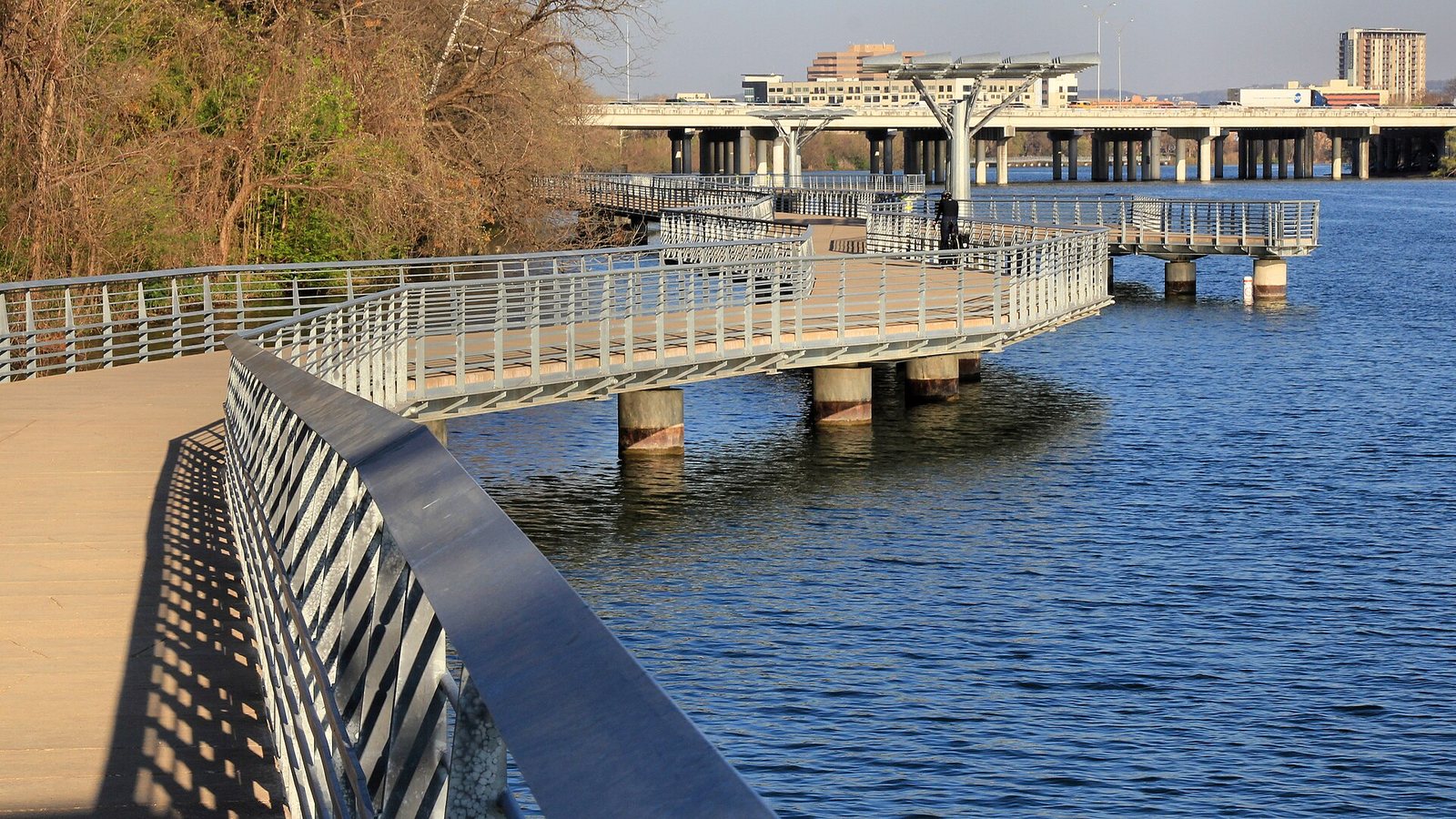
| A flat outdoor route | The Butler Trail and its boardwalk | Free | Check detours near I-35 |
| Museums and the Capitol | The Capitol, the Bullock, the Blanton and the LBJ Library | Capitol free; museums vary | For ASL interpreters, yes |
| Concerts and games | Moody Center, ACL Live, Q2 Stadium and ZACH Theatre | Ticket price | Yes: buy accessible and companion seats together |
| A swim | Barton Springs Pool, which Visit Austin says has a chair lift and a water wheelchair | Pool admission | Yes: call to confirm the lift is working |
How accessible is Austin, honestly?
More accessible than its rowdy-music-town reputation suggests, but less consistent than a city built mostly after the ADA. The parts of Austin built or rebuilt in the last 20 years, like downtown’s high-rises, the arenas and the lakefront boardwalk, generally meet modern standards. The parts that give Austin its character, like century-old music halls, converted houses on South First Street, and the patio bars of East Sixth, vary door by door.
Geography matters too. Austin sits on the Balcones Escarpment, where the flat prairie to the east meets the Hill Country to the west, and elevations run from about 400 feet on the east side to just over 1,000 feet in the west. In practice, East Austin and downtown are mostly gentle, while West Austin’s parks, greenbelts and lake overlooks are steep, rocky and full of stairs.
Then there’s the heat. At Camp Mabry, the city’s official weather station, normal highs sit at 90°F or above from May 26 to September 23, and August averages about 13 days at 100°F or hotter. For anyone whose body doesn’t regulate heat well, whether from a spinal cord injury, MS, some medications or simply age, that changes the whole shape of a day. Plan outdoor time for early morning, keep afternoons indoors, and carry water everywhere.
Verdict: Base yourself downtown or near the lake, stick to the core attractions and the Butler Trail, visit between October and April if you can, and call ahead for anything older than you are.
How do you get from the airport with a disability?
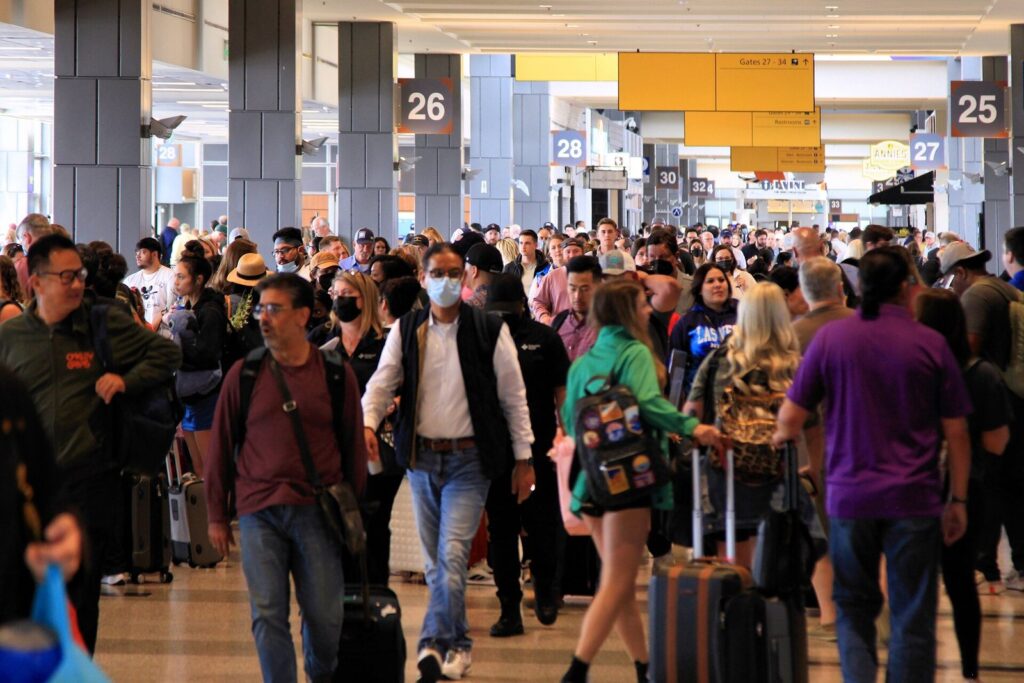
Start with your airline. Wheelchair assistance between the check-in counter, the gate and the aircraft is the airline’s job under federal air travel rules, so request it when you book and again at check-in. Austin-Bergstrom International Airport adds its own layer: it runs a Hidden Disabilities Program for travelers with non-visible disabilities, and Visit Austin notes that the airport arranges accommodations when you let it know before you arrive. The airport’s full list of accessibility services is on the City’s AUS accessibility page.
Getting away from the terminal, the airport has a free Mobility Assistance Zone for wheelchair-accessible vehicles, taxis and rideshares, open daily from 7 a.m. to 2 a.m. Standard rideshare and taxi pickup is on the ground level under the rental car facility, behind the Red Garage. If you’d rather take transit, CapMetro’s Route 20 starts at the airport and runs every 15 to 30 minutes, seven days a week, to Riverside Drive, downtown and the University of Texas.
For departures, the airport tells domestic travelers using general screening to arrive at least 2.5 hours before their flight. With assistance to arrange and construction to route around, that’s the minimum, not a target.
How do you get around Austin with a disability?
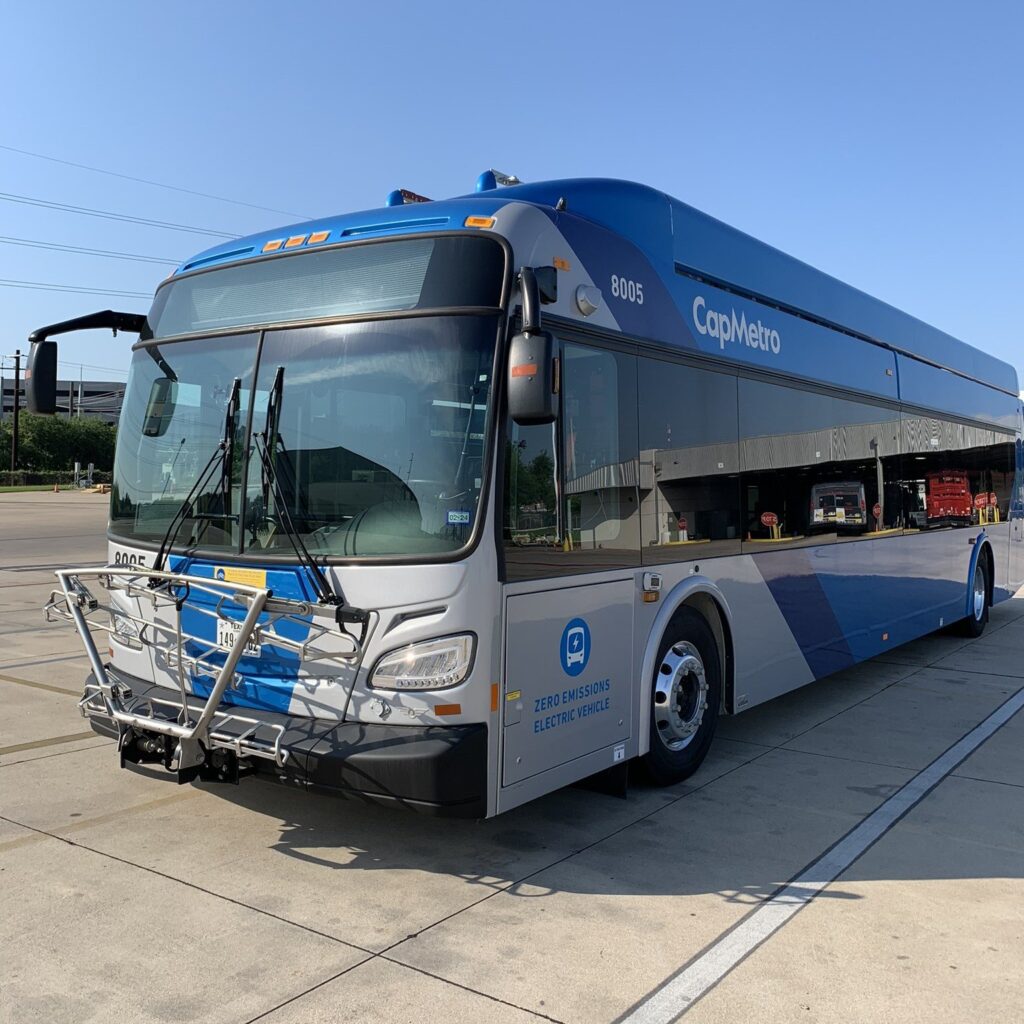
CapMetro runs Austin’s buses, the Rapid lines and CapMetro Rail, and its fixed-route vehicles are built to carry riders with disabilities. The local fare is $1.25, and tapping a contactless card or phone on the bus caps what you pay at $2.50 a day. Reduced fares, generally half the standard price, are available to riders with disabilities or on Medicare, as well as seniors. One thing to watch: a fare increase for January 2027 was up for a CapMetro board vote on September 28, 2026, so check the current fares page before you ride.
CapMetro Access paratransit for visitors
If you can’t use fixed-route buses, CapMetro Access is the door-to-door option, and visitors can use it. The rules:
- Up to 21 days a year. Visitor status covers 21 days of service in a year, and they don’t have to be consecutive.
- Bring your eligibility. Provide current ADA paratransit eligibility from the city or region where you live, or documentation of your place of residence and the nature of your disability.
- Call early. CapMetro asks visitors to contact the Access Eligibility office at 512-389-7501 “as far in advance as possible.”
- It’s shared. Access is a shared-ride service seven days a week, so other passengers may ride along, and trips take longer than a direct ride.
- It follows the bus map. Service is provided within three-quarters of a mile of CapMetro’s regular routes. Most of what visitors want to see falls inside that, but some Hill Country destinations don’t.
For trip questions once you’re registered, Access Customer Service is at 512-852-7272. Staying longer than 21 days means completing CapMetro’s full eligibility process.
Rideshare, taxis and getting around on foot
Wheelchair-accessible rideshares and taxis exist in Austin, but there are far fewer of them than standard cars, so request one well ahead of when you need it and expect longer waits at peak times and on big-event weekends. For rolling or walking between places, Visit Austin points to Get There ATX, a guide to walking and wheelchair mobility, rideshare and transit, and to the City’s map of pedestrian signals, which shows crossings with accessible features.
| Option | Best for | What to know |
|---|---|---|
| CapMetro buses and Rapid lines | Downtown, UT, South Congress, The Domain | Reduced fares for riders with disabilities; service animals ride under the seat or on the handler’s lap |
| CapMetro Rail | Downtown to North Austin, including Q2 Stadium’s McKalla Station | Commuter fare ($3.50 a ride); check the schedule before you plan around it |
| CapMetro Access | Door-to-door trips if fixed routes don’t work for you | Visitors get 21 days a year; call 512-389-7501 early |
| Accessible taxi or rideshare | Airport runs, evenings, events | Book ahead; the airport’s Mobility Assistance Zone is set up for them |
Driving and accessible parking
If you’re driving, bring your disability placard or plates; marked accessible spaces are standard in downtown garages and lots. A few specifics help. The Central Library’s underground garage, entered from West Avenue, has 140 public spaces, including seven ADA spaces on level P1, and a posted height limit. At UT’s Harry Ransom Center, curbside ADA spaces open up after 5:45 p.m. on weekdays and at any time on weekends and holidays. For the Visit Austin Visitor Center at 103 E. Fifth St., the center suggests the Frost Bank Tower garage at 112 E. Fourth St. Downtown street meters start at 8 a.m. on weekdays and 11 a.m. on Saturdays, and Sundays aren’t metered; check the City’s paid-parking page for how placards are treated at meters. If you drive a converted van, ask every hotel and garage about clearance before you arrive.
What should you ask when booking an accessible hotel room?
Hotels are required to have accessible rooms, and under the ADA a hotel has to let you book them the same way as any other room and describe their features in enough detail for you to judge whether they work. The detail is where things go wrong. “Accessible” can mean a roll-in shower or a tub with grab bars, a bed at a usable height or one that isn’t, a room near the elevator or at the end of a long corridor. Ask before you pay:
| Ask about | Why it matters |
|---|---|
| Roll-in shower or tub with a bench | They’re both “accessible” and not interchangeable |
| Bed height and the clearance under it | Transfers and patient lifts depend on it |
| Door widths, including the bathroom | The main door is often fine and the bathroom door isn’t |
| Visual alarms and a notification kit | Deaf and hard-of-hearing guests need flashing alerts for the door, phone and fire alarm |
| Distance from the elevator and the entrance | Downtown hotels can have long corridors |
| Accessible parking and valet | Garages have height limits, and adapted vans don’t always fit |
| The route to the pool, restaurant and lobby | Older properties can have steps between spaces |
Book directly with the hotel rather than through a third-party site, get the room type confirmed in writing, and call again 48 hours before arrival. Visit Austin’s January 2026 accessibility roundup mentions two properties specifically: the Westin Austin Downtown, with accessible guest rooms, elevators throughout, valet parking and accessible pathways, and the Austin Motel on South Congress, with on-site parking and an accessible path to the entrance. The same roundup includes the South Congress Hotel, which is now closed until 2027.
Location is the other half of the decision. A hotel near the lake downtown puts the flat Butler Trail, the convention center and most museums within a short roll or ride. For a neighborhood-by-neighborhood breakdown, see our guide to where to stay in Austin.
Which Austin attractions are most accessible?
The Capitol and the museums clustered around it are the strongest part of Austin for accessibility, with wheelchairs to borrow, interpreters on request and step-free routes. Visit Austin’s accessibility resources and the attractions’ own pages describe these:
| Attraction | Mobility | Hearing and vision | Good to know |
|---|---|---|---|
| Texas State Capitol | Accessible North Entrance; wheelchairs to borrow at the Tour Guide office | ASL interpreters on request; large-print and braille publications | Free |
| Bullock Texas State History Museum | See its accessibility page | Sign language interpreters; audiovisual aids | Exhibitions free on the first Sunday of each month |
| Blanton Museum of Art | See its accessibility page | Sign language interpreters; audiovisual aids | Free every Tuesday |
| LBJ Presidential Library | Wheelchairs to borrow; elevators; near bus stops | Braille booklets | Half-price Tuesdays; free on Veterans Day |
| The Contemporary Austin, Laguna Gloria | Select paved paths and ramps | Braille visitor information; EnChroma glasses for colorblind visitors | Sensory-friendly experience bags |
| UMLAUF Sculpture Garden | Wide paths, mostly packed granite | Touch-interactive sculptures | A calm outdoor garden |
| Lady Bird Johnson Wildflower Center | Miles of wide crushed-rock paths | Ask ahead | Summer hours start at 7 a.m. |
The Bullock and the Blanton both have dedicated accessibility pages with contact details for interpreter requests, and it’s worth emailing a week ahead if you need one.
The Texas State Capitol
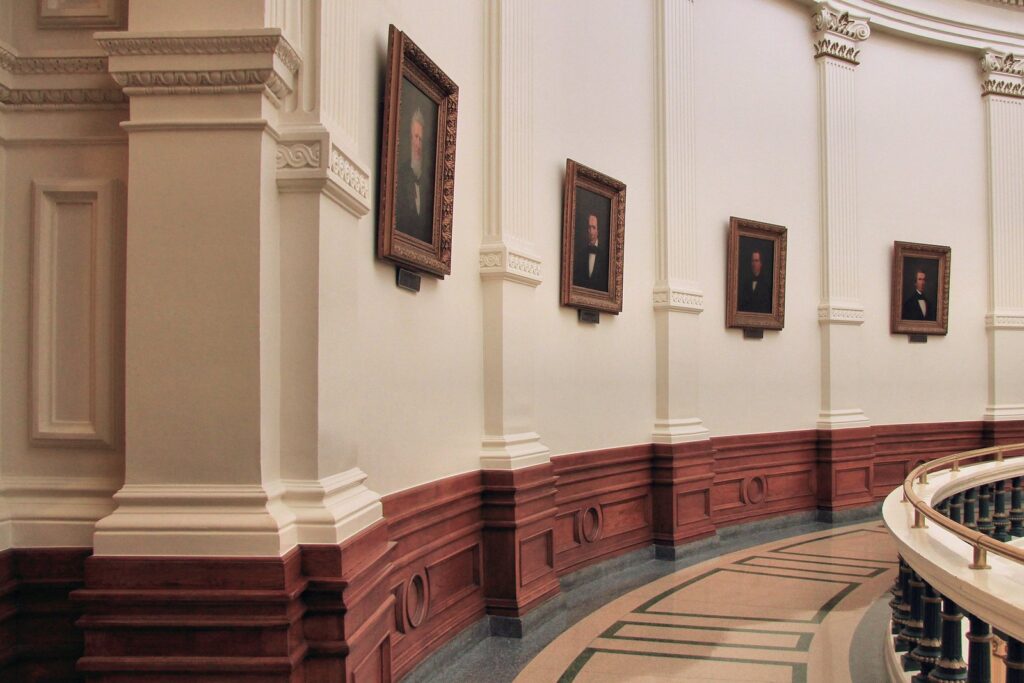
The Capitol is free, and it’s one of the better-equipped buildings in Texas for visitors with disabilities. The accessible entrance is the North Entrance, and wheelchairs can be checked out at the Tour Guide office. Visit Austin notes wheelchair access across the grounds and throughout the building, large-print and braille publications, and ASL interpreters on request. ADA service animals are welcome; pets aren’t. One line on the State Preservation Board’s access page deserves a closer look: it says motorized scooters aren’t allowed on the Capitol grounds. If you use a mobility scooter, call ahead to confirm how that applies to you before you make the trip.
The museums on and near the Capitol Mall
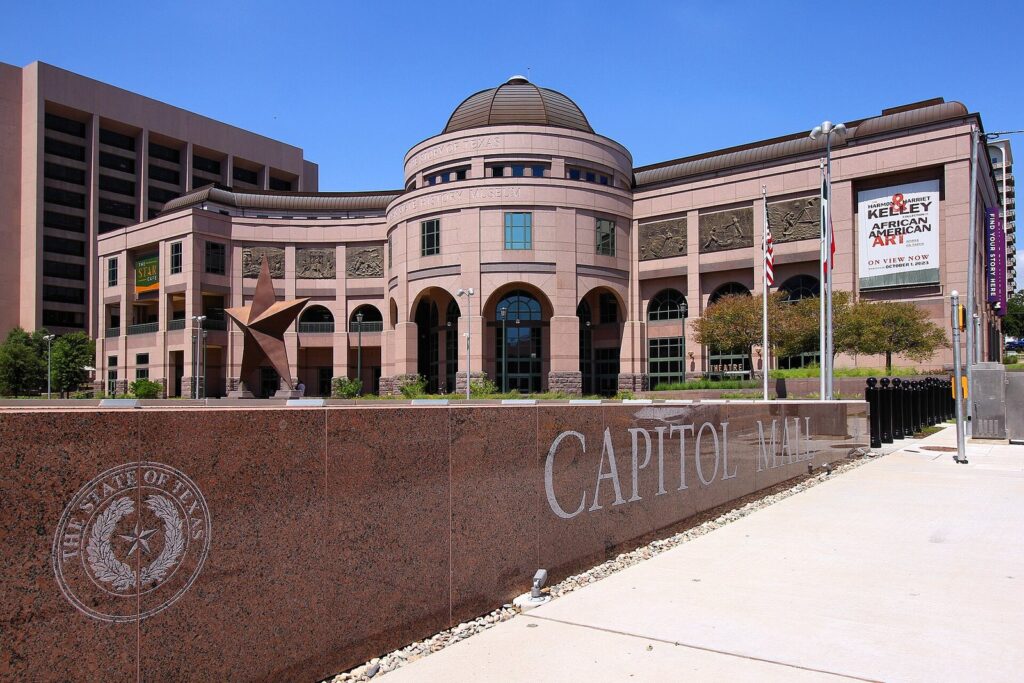
The Bullock Texas State History Museum (daily 10 a.m. to 5 p.m.) and the Blanton Museum of Art both offer sign language interpreters and audiovisual aids, according to Visit Austin, and both publish accessibility pages. The Blanton is free every Tuesday. The LBJ Presidential Library has braille booklets, wheelchairs to borrow and elevators, and it sits near bus stops on the UT campus; tickets are half off on Tuesdays, and admission is free on Veterans Day, November 11. For the full museum rundown, see our guide to Austin museums and culture.
Gardens and sculpture
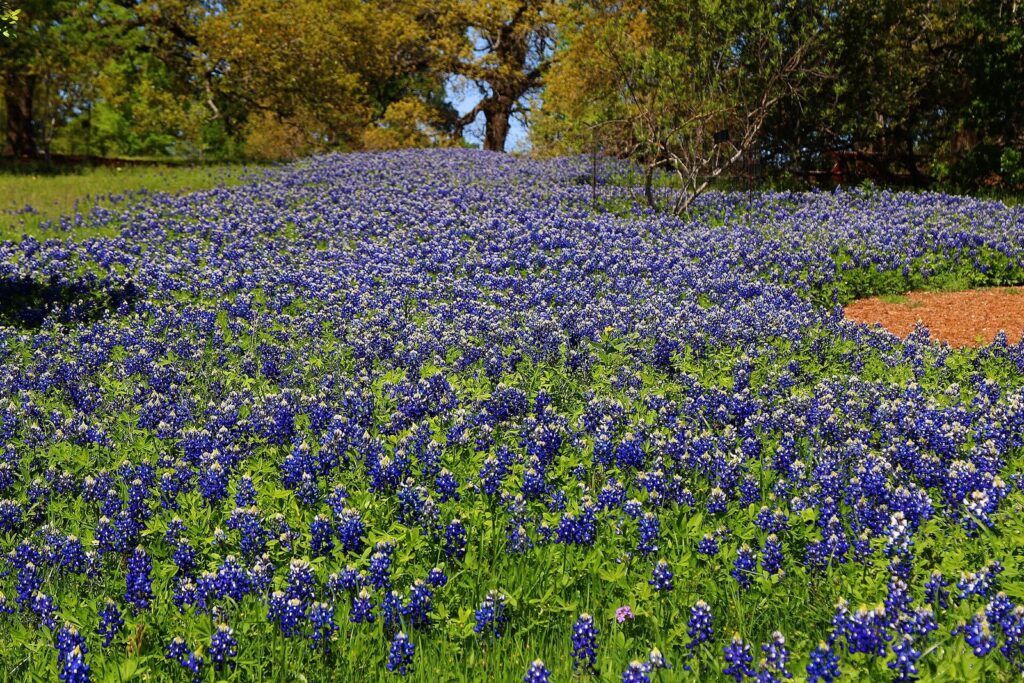
Three outdoor spots stand out. The Lady Bird Johnson Wildflower Center has miles of accessible trails with wide, well-kept crushed-rock paths; from September through May the gardens are open 9 a.m. to 5 p.m., and in summer they open at 7 a.m. and close at 3 p.m., which is the better schedule for anyone who wilts in heat. UMLAUF Sculpture Garden’s paths are mostly packed granite, and it invites visitors with low vision to touch its sculptures. At Laguna Gloria, The Contemporary Austin offers select paved paths and ramps, braille visitor information, EnChroma glasses for colorblind visitors and sensory-friendly bags. Crushed rock and packed granite are firm in dry weather and softer after rain, so plan a garden day for a dry spell.
Barton Springs Pool
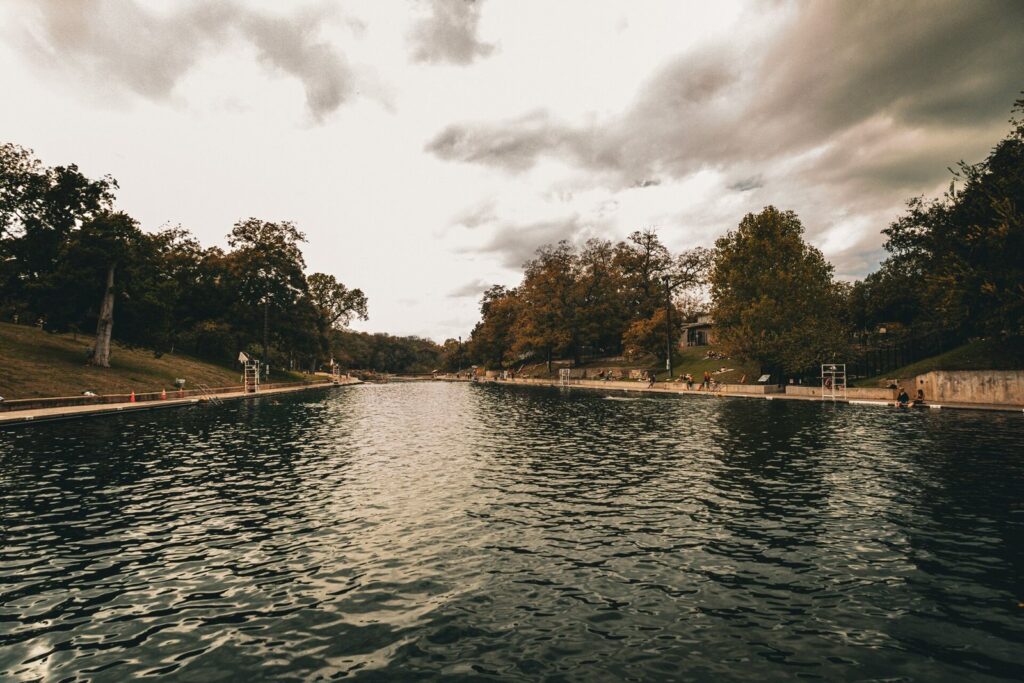
Austin’s favorite swimming hole is more accessible than most visitors assume. Visit Austin lists ramps and a sidewalk to the water’s edge, a chair lift and a water-accessible wheelchair, and City records show an ADA-accessible path on the south side built during a 2013-14 grounds project, along with accessible parking. Lifts get serviced and staffing varies, so call the pool before you go to confirm the lift is available that day. For the rest of Austin’s swimming spots, most of which are far less accessible, see our swimming holes and lakes guide.
For everything else on a first-timer’s list, our guide to Austin attractions covers the rest; check each one’s accessibility page before you go.
Which Austin trails and parks work for wheelchairs and walkers?
The City’s trail directory flags which trails are ADA accessible, with a sensible caveat: “A Yes for ADA Accessible indicates a section of the trail that meets ADA at the time it was constructed. It is recommended the trail be reviewed and compared to user capabilities prior to use.” In other words, the flag is a starting point. These are the central trails marked “Yes”:
| Trail | Length | Where | Why go |
|---|---|---|---|
| Ann and Roy Butler Hike and Bike Trail | 10.17 miles | Around Lady Bird Lake | The city’s main flat route, with lake and skyline views |
| Butler Metro Park Trail | 2.10 miles | 1000 Barton Springs Rd. | A shorter south-shore loop near downtown |
| Zilker Metro Park Loop | 1.99 miles | 2201 Barton Springs Rd. | Zilker Park without the Greenbelt’s rocks |
| Shoal Creek Greenbelt Trail and Sidewalk | 6.82 miles | 2610 Shoal Creek Blvd. | A long, shady creekside route in central Austin |
| Waller Creek Greenbelt Trail | 1.59 miles | 500 E. 12th St. | Downtown’s east side, near Waterloo Park |
| Waterloo Neighborhood Park Trail | 0.61 miles | 1200 Red River St. | A short loop in a downtown park |
The Butler Trail and boardwalk
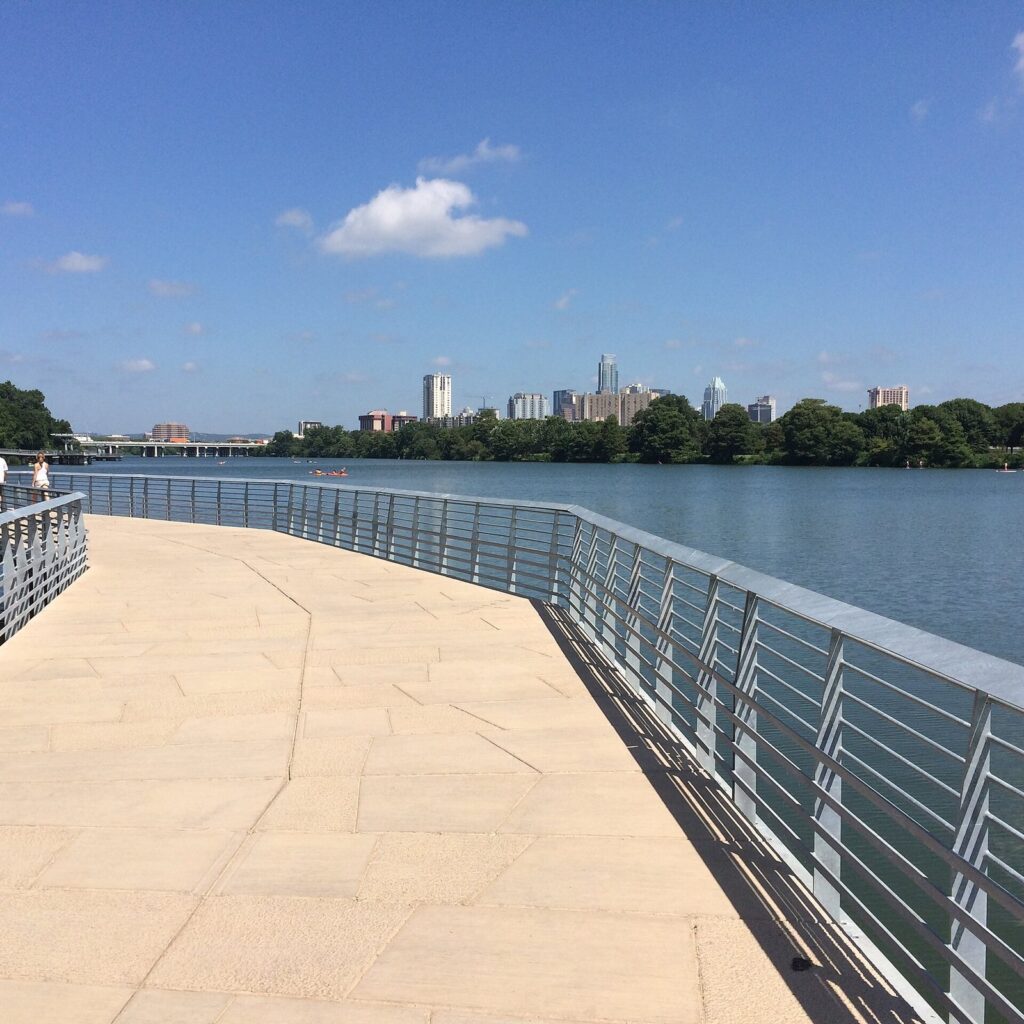
The Butler Trail is the one to plan around. Visit Austin, drawing on the City’s description, calls it “generally paved and smooth with mostly gentle grade (5% or less),” with “dozens of access points” and accessible parking off South Lamar Boulevard, and it flags one exception: a “stretch at 9.5 mile marker is steeper and visitors with mobility aids may require assistance.” The 1.3-mile boardwalk on the south shore, finished in 2014 and open 5 a.m. to midnight, is the smoothest and most scenic section, though it has little shade at midday. The trail is shared with runners and cyclists, so weekday mornings are the calmest time. For the rest of the city’s outdoor options, see our guide to outdoor activities in Austin.
What isn’t accessible
Be realistic about the places Austin is most famous for outdoors. The Barton Creek Greenbelt, 12.68 miles in the City’s directory, is not flagged ADA accessible: it’s rock, roots and creek crossings. The trail down to Hamilton Pool Preserve is a quarter-mile, steep and rugged, with no alternative route. Mount Bonnell’s summit is reached by stone stairs. None of that means skipping the Hill Country; it means seeing it from a car window, a paved overlook or a boat, and choosing the Wildflower Center, the Butler Trail or the lake instead of a scramble. Birders can use Birdability’s crowdsourced map, which rates birding spots by their accessibility features.
How accessible are Austin’s concerts, games and theaters?
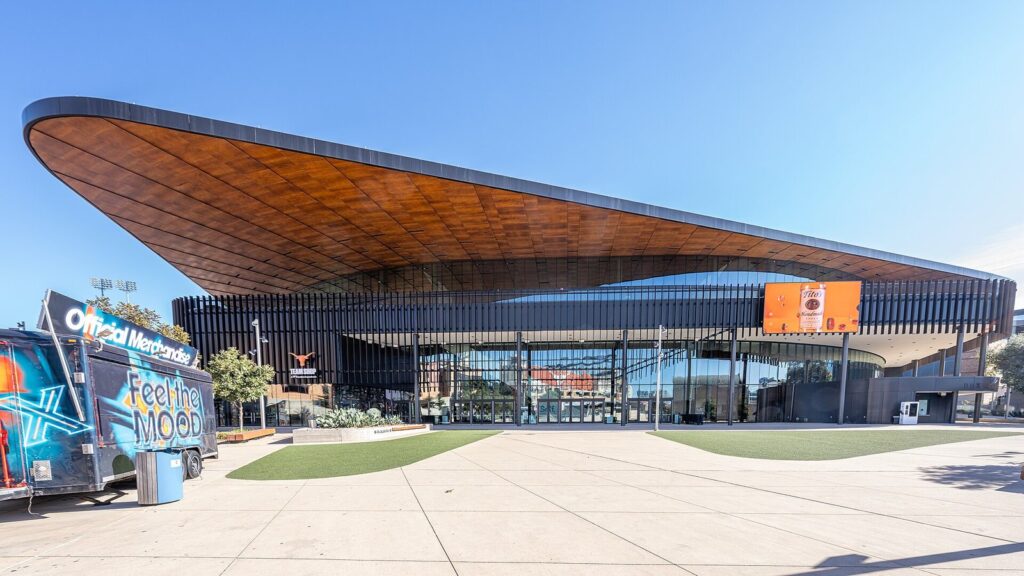
Austin’s big modern venues are well equipped. The small, old music rooms that made the city’s name are a door-by-door proposition. Start with the rule that applies everywhere: under the ADA, venues selling reserved seats must sell wheelchair-accessible seats through the same channels as other tickets, and let you buy up to three companion seats alongside, where they’re available. Buy them together in one transaction rather than trying to reunite a group later.
| Venue | Mobility | Hearing | Sensory and other |
|---|---|---|---|
| Moody Center (UT arena) | Accessible seating | Interpreting services; assistive listening devices | Accessibility guide on its site |
| Q2 Stadium (Austin FC) | Wheelchair escorts from the entry | Closed captioning throughout matches; assistive listening devices to borrow | CapMetro Rail’s McKalla Station serves the stadium |
| ACL Live at The Moody Theater | Elevators to accessible seating on every floor | Ask the box office | Downtown, on Second Street |
| ZACH Theatre | Elevators, ramps and accessible seating | Assistive listening; captioned and sign-interpreted performances of every show | Pick an interpreted date when you buy |
| Stateside and Paramount (Austin Theatre Alliance) | Ask the box office | Assistive listening; sign language interpreters | KultureCity-certified Sensory Inclusive, with sensory bags and quiet areas; the Paramount is closed for restoration |
| The VORTEX (East Austin) | A ramp and a wheelchair-accessible theater | Ask ahead | Outdoor area with food trucks |
| Circuit of The Americas | ADA seating; an accessible shuttle to entrances | Ask ahead | F1 weekend is October 23 to 25, 2026 |
The table comes from Visit Austin’s accessibility resources and the venues’ own guides. Small clubs on Red River and Sixth Street are the gap. Many are in older buildings, some with stairs to a second-floor room, standing-only floors or tight restrooms, so email the venue before you buy and ask specifically about the entrance, the viewing area and the restroom. Festivals on grass, like ACL Fest in Zilker Park, run their own accessibility programs, so check each festival’s page when you plan a trip around one; our Austin events and festivals guide has the calendar.
Where can you find sensory-friendly options in Austin?
More places than a music city might suggest. The most useful:
- Alamo for All at Alamo Drafthouse South Lamar. Visit Austin’s January 2026 roundup describes screenings with the lights up and sound turned down, where guests can move around and adaptive technology is welcome, every Tuesday (and select weekends) for all screenings before 2 p.m.
- KultureCity-certified theaters. Austin Theatre Alliance’s Stateside and Paramount theaters are certified Sensory Inclusive, with sensory bags to borrow and designated quiet areas; the Paramount is closed for restoration, so check what’s on at the Stateside.
- Sensory bags at Laguna Gloria. The Contemporary Austin offers sensory-friendly experience bags at its lakeside sculpture garden.
- The airport’s Hidden Disabilities Program for travelers with non-visible disabilities, arranged ahead of arrival.
- The Texas Autism Society’s resource guide, which Visit Austin recommends for families planning around autism.
Timing matters as much as place. Museums are quietest on weekday afternoons after school groups leave, the Butler Trail is calmest on weekday mornings, and East Sixth Street and Rainey Street at night are best avoided if crowds and volume are a problem. During SXSW in March and ACL Fest weekends in October, downtown and Zilker are loud and packed for days at a time.
What should Deaf, hard-of-hearing, blind and low-vision visitors know?
Deaf and hard-of-hearing visitors
Interpreters are available at the major institutions if you ask ahead: ASL at the Capitol on request, sign language interpreters at the Bullock and the Blanton, and interpreting services at Moody Center. ZACH Theatre captions and sign-interprets performances of every show, Q2 Stadium runs closed captioning throughout Austin FC matches, and assistive listening devices are available at Moody Center, Q2 Stadium, ZACH and the Austin Theatre Alliance theaters. At the hotel, ask for a room with visual alarms and a notification kit for the door and phone. For a relaxed meal, Visit Austin highlights Crepe Crazy, owned and operated by Deaf individuals, with a step-free entrance and an open sidewalk patio.
Blind and low-vision visitors
The Capitol has large-print and braille publications, the LBJ Presidential Library has braille booklets, and The Contemporary Austin has braille visitor information at Laguna Gloria. UMLAUF Sculpture Garden invites visitors with low vision to touch its sculptures, which is rarer than it should be. Service animals are welcome at every attraction in this guide, including those that ban pets, such as the Capitol and the Wildflower Center, and on CapMetro, where they ride under the seat or on the handler’s lap. In summer, remember that sidewalks get hot enough to burn paws: plan guide-dog walking for early and late, and test the pavement with the back of your hand.
Where can you eat and drink with step-free access?
Visit Austin’s January 2026 accessibility roundup lists these, and they’re a good starting shortlist:
| Place | Type | Access notes |
|---|---|---|
| Crepe Crazy | Crepes; Deaf-owned | Step-free entrance and an open sidewalk patio |
| Taco Joint | Tacos, two locations | Step-free access |
| Lima Criolla | Peruvian | Step-free entrances |
| San Francisco Bakery | Bakery and cafe | Step-free entrance |
| Bouldin Creek Cafe | Cafe | A ramp to the entrance |
| Fareground | Downtown food hall | Ramps, elevators and automatic doors |
| Sam’s Bar-B-Q | Barbecue | One story, with a small bump at the door |
| Whip In | Bar | A wide patio reachable from the parking lot |
| Oilcan Harry’s, Cheer Up Charlies, The Brewtorium | Bars and a brewpub | Ramps and accessible spaces |
Beyond this list, newer buildings downtown and at The Domain are the safest bets, and converted houses and historic storefronts are the ones to call about. For where to eat more generally, see our best restaurants in Austin guide.
What should you pack for an accessible Austin trip?
- Cooling gear from May to September. A cooling towel, a spray bottle, a wide hat and more water than seems reasonable. Normal highs stay at 90°F or above from late May to late September.
- Chargers and battery paperwork. Power chairs and scooters need charging plans for long days out, and airlines ask about battery type before you fly.
- Your paratransit eligibility letter, if you plan to use CapMetro Access.
- Written confirmations of what the airline and hotel have agreed to provide, so the conversation at the desk is short.
- Rain gear in spring. Storms build fast, and crushed-rock garden paths soften after a downpour.
- Noise-reducing headphones for anyone sensitive to sound. Sixth Street, Rainey Street and festival weekends are loud by design.
What does an accessible day in Austin look like?
Here’s a flat, low-transfer day for a visitor staying downtown, built around the heat. Our Austin itineraries have longer plans to adapt.
- 8 a.m.: the Butler Trail boardwalk on the south shore, before the sun gets high. Go out and back rather than committing to the full loop.
- 10 a.m.: the Texas State Capitol through the accessible North Entrance, with a wheelchair borrowed from the Tour Guide office if distances are the issue.
- Noon: lunch at Fareground, the downtown food hall with ramps, elevators and automatic doors.
- 1:30 p.m.: the Bullock Museum, open until 5 p.m., or on a Tuesday the free Blanton. Both are a short ride north of downtown near the Capitol.
- Late afternoon: back to the hotel through the worst of the heat.
- Evening: a show at ZACH Theatre on a captioned or interpreted night, or a concert at Moody Center with accessible and companion seats bought together.
From October to April, you can flip the schedule and spend the middle of the day outdoors at the Wildflower Center or UMLAUF instead.
Accessible Austin FAQ
Is Austin wheelchair accessible?
Largely, in the places visitors spend the most time. Downtown, the Capitol, the museums around it, the arenas and the Butler Trail around Lady Bird Lake are well set up. West Austin’s greenbelts, Hill Country swimming holes like Hamilton Pool, and some older music venues and storefronts are not. Call ahead anywhere in an older building, and plan outdoor time around the summer heat.
Can visitors use CapMetro Access paratransit?
Yes. Visitors can use CapMetro Access for up to 21 days a year, not necessarily in a row, by providing ADA paratransit eligibility from their home area, or proof of residence and documentation of their disability. Call the Access Eligibility office at 512-389-7501 as far ahead as possible. Service covers areas within three-quarters of a mile of CapMetro’s regular routes.
Is the Butler Trail wheelchair accessible?
Mostly. The City’s trail directory flags the Ann and Roy Butler Hike and Bike Trail as ADA accessible, and Visit Austin describes it as generally paved and smooth with grades mostly at 5 percent or less. One stretch near the 9.5-mile marker is steeper, and wheelchair users may need assistance there. The south-shore boardwalk is the smoothest section.
Can wheelchair users swim at Barton Springs Pool?
Often, yes. Visit Austin lists ramps and a sidewalk to the water’s edge, a chair lift and a water-accessible wheelchair, and the City built an ADA-accessible path on the pool’s south side in a 2013-14 project. Equipment can be out of service, so call the pool before you go to confirm the lift is available that day.
Does the Texas State Capitol lend wheelchairs?
Yes. Wheelchairs can be checked out at the Tour Guide office, and the accessible entrance is the North Entrance. Visit Austin notes large-print and braille publications and ASL interpreters on request. The State Preservation Board’s access page says motorized scooters aren’t allowed on the grounds, so mobility-scooter users should call ahead to confirm how that applies.
Are there sensory-friendly things to do in Austin?
Yes. Alamo Drafthouse South Lamar runs Alamo for All screenings with lights up and sound down, the Stateside theater is KultureCity-certified with sensory bags and quiet areas, Laguna Gloria lends sensory-friendly bags, and the airport has a Hidden Disabilities Program. Weekday mornings are the calmest time for most attractions.
Related Austin Guides
- Things to Do in Austin: the main attractions, with tickets, hours and what to skip.
- Where to Stay in Austin: neighborhoods and hotel styles, including the flat, central areas.
- Outdoor Activities in Austin: trails, paddling and parks, with seasonal caveats.
- Austin Museums and Culture: hours, prices and free days at the city’s museums.
- Austin Travel Guide: the basics on arriving, getting around and when to come.
Sources and verification
Details in this guide were checked on September 26, 2026 against the operators and agencies listed below. The guide is compiled from them, not from other travel lists, and it doesn’t claim first-hand visits. Where a detail comes from Visit Austin’s accessibility resources rather than the venue itself, the text says so.
- Visit Austin: Accessibility in Austin; Accessible things to do in Austin (January 13, 2026)
- CapMetro: CapMetro Access Rider’s Guide; Access eligibility; Accessibility; Fares and reduced fares; Code of conduct
- Austin-Bergstrom International Airport: AUS accessibility services; Travel tips and FAQ
- City of Austin: Trail directory; Butler Trail and Boardwalk; Barton Springs Pool; Facility closures and detours
- State Preservation Board: Texas State Capitol accessibility
- Museums and gardens: Bullock Museum accessibility; Blanton Museum accessibility; LBJ Presidential Library; Lady Bird Johnson Wildflower Center policies; UMLAUF Sculpture Garden; The Contemporary Austin
- Venues: Moody Center accessibility guide; Q2 Stadium A-Z guide; Circuit of The Americas ADA accessibility; Austin Theatre Alliance; KultureCity
- Weather and terrain: NWS Austin/San Antonio climate normals
- Other resources: ADA.gov; Texas Autism Society resource guide; Birdability map
Photo credits
- Barbara Jordan Terminal, AUS: photo by Larry D. Moore, Wikimedia Commons (CC BY 4.0)
- CapMetro electric bus: photo by Spike9936, Wikimedia Commons (CC BY 4.0)
- Texas State Capitol rotunda gallery: photo by Larry D. Moore, Wikimedia Commons (CC BY 4.0)
- Bullock Texas State History Museum: photo by Larry D. Moore, Wikimedia Commons (CC BY 4.0)
- Lady Bird Johnson Wildflower Center: photo by Larry D. Moore, Wikimedia Commons (CC BY 4.0)
- Barton Springs Pool: photo by Ligocsicnarf89, Wikimedia Commons (CC BY 4.0)
- Lady Bird Lake boardwalk: photo by Sparkeyemusic, Wikimedia Commons (CC BY-SA 4.0)
- Moody Center, Austin: photo by ajay_suresh, Wikimedia Commons (CC BY 4.0)
- Butler Trail boardwalk, Lady Bird Lake (featured image): photo by Larry D. Moore, Wikimedia Commons (CC BY 4.0)