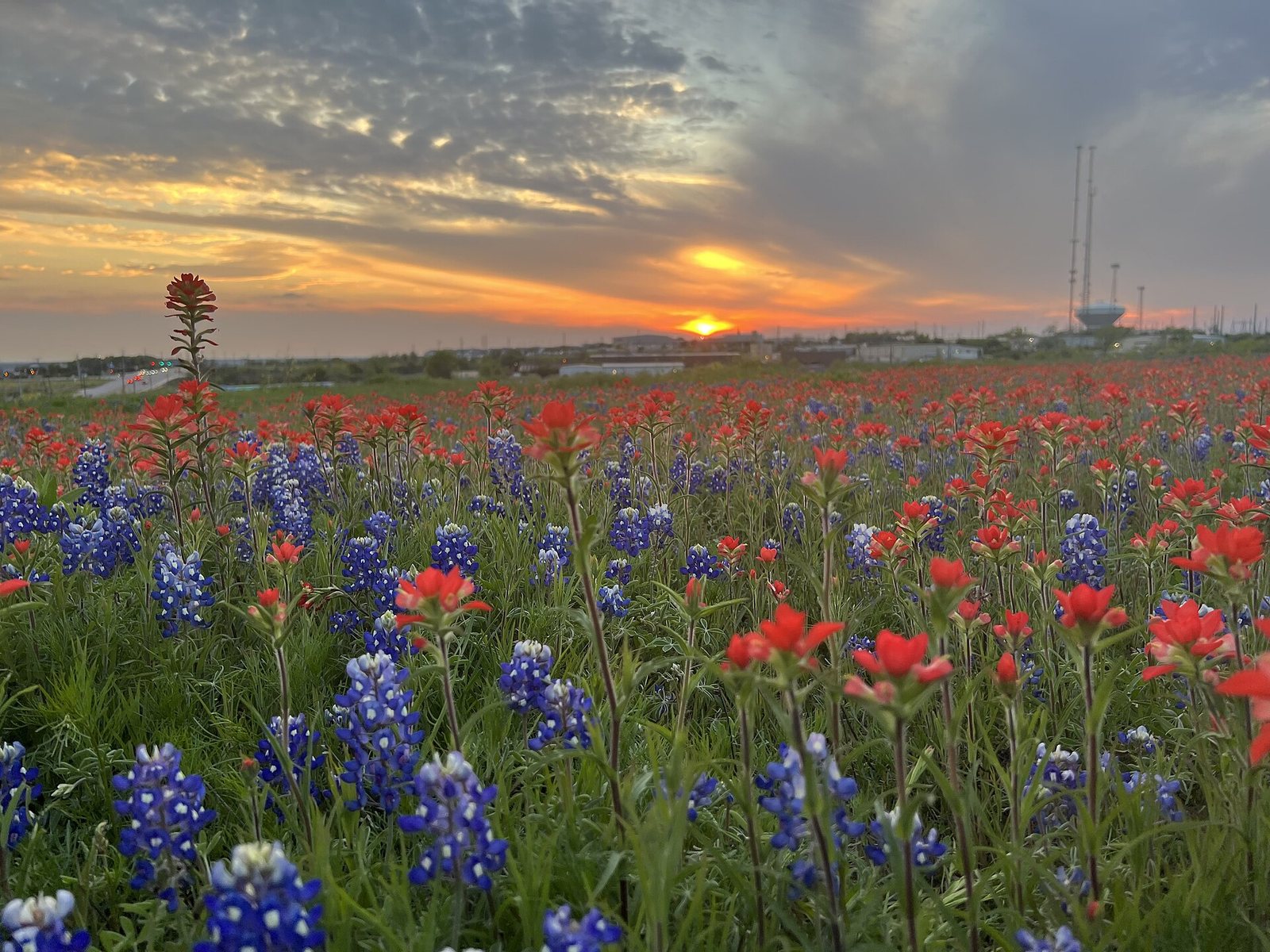
The best time to visit Austin is mid-October through November or March through April. Those months bring average highs from the low 70s to the low 80s, the patios are full and the Hill Country is at its best, with bluebonnets in spring and mild, dry days in fall. Summer is only for people who plan their days around water, and winter is the quiet, good-value season with the occasional icy surprise. Whatever you choose, check the festival calendar first, because SXSW in March and ACL and Formula 1 in October set hotel prices for the whole city.
This guide is for anyone choosing dates, from first-time visitors to people planning around a festival or a family holiday. One caveat: the weather figures below are 30-year averages from NOAA and the National Weather Service, not a forecast, and Central Texas swings hard from year to year. The normals, event dates and seasonal rules were checked September 23, 2026 against official sources.
What’s happening this fall and next spring?
- October 2026 is packed. Austin City Limits fills Zilker Park on October 2 to 4 and 9 to 11, Formula 1 runs October 23 to 25 at Circuit of The Americas, and the Austin Film Festival starts October 29. The Longhorns play at home on October 17, 24 and 31.
- November is calmer. The Texas Book Festival is November 14 and 15, the last Longhorns home game is November 21, and otherwise the city settles down.
- Zilker Park is partly closed for ACL until October 18, 2026, although Barton Springs Pool stays open.
- Spring 2027 dates are set. The Austin Marathon is February 14, Rodeo Austin runs March 12 to 27, and SXSW is March 15 to 21, with SXSW EDU from March 13 to 16.
For every date, venue and shuttle detail, see our guide to Austin festivals and events.
Austin weather by month
These are NOAA’s 1991–2020 normals for Camp Mabry, the city’s official weather station, 3.4 miles northwest of the Capitol. The last three columns count the average number of days each month with a high of 90°F or more, a high of 100°F or more, and a low at or below freezing.
| Month | Avg high | Avg low | Rain (in) | 90°F+ days | 100°F+ days | Freezing nights |
|---|---|---|---|---|---|---|
| January | 62.5°F | 41.8°F | 2.64 | 0 | 0 | 4.7 |
| February | 66.5°F | 45.8°F | 1.89 | 0.3 | 0 | 2.3 |
| March | 73.3°F | 52.2°F | 2.88 | 0.5 | 0 | 0.7 |
| April | 80.3°F | 58.9°F | 2.42 | 2.5 | 0 | 0 |
| May | 86.9°F | 66.8°F | 5.04 | 11.1 | 0.3 | 0 |
| June | 93.2°F | 72.9°F | 3.68 | 23.8 | 3.1 | 0 |
| July | 96.6°F | 75.0°F | 1.96 | 29.0 | 9.5 | 0 |
| August | 97.8°F | 75.1°F | 2.74 | 29.2 | 13.3 | 0 |
| September | 91.4°F | 70.1°F | 3.45 | 20.0 | 2.6 | 0 |
| October | 82.5°F | 60.8°F | 3.91 | 6.4 | 0 | 0 |
| November | 71.5°F | 50.5°F | 2.92 | 0.1 | 0 | 0.8 |
| December | 63.9°F | 43.4°F | 2.72 | 0 | 0 | 3.4 |
Add it up and the pattern is plain. An average year brings about 123 days of 90°F or more, about 29 days of 100°F or more and about 12 freezing nights, with 36.25 inches of rain. May is the wettest month, then October and June. Normal highs reach 90°F by May 26 and don’t fall back below 90 until September 23.
How hot is Austin in summer, really?
Hot, and for a long time. Normal highs stay at 90°F or above from May 26 to September 23, nearly four months. July and August average 29 days each at 90°F or more, and August averages about 13 days at 100°F or more. The average first 100-degree day is July 9, and over the last 30 years the last one has averaged August 30. The record is 112°F, reached on September 5, 2000, and again on August 28, 2011, the summer Austin logged 90 days at 100°F or more.
Two things make it feel worse than the numbers. Nights barely cool off, with lows around 75°F in July and August, so there’s no morning chill to bank. And humid southeast winds off the Gulf can push the heat index above 110 on the worst afternoons. The fix is scheduling, not stamina: outdoors before 11 a.m. and after 6 p.m., water or air-conditioning in between.
The best time to visit Austin, by what you want
| If you want | Go in | Why |
|---|---|---|
| The best weather | Late March to April; mid-October to November | Highs in the 70s and low 80s, few 90°F days |
| Lower prices and fewer crowds | January to February; late summer outside holidays | Few events and less leisure demand |
| Festivals | March (SXSW) or October (ACL, Formula 1) | The year’s two biggest event peaks |
| Wildflowers | Late March to mid-April | Bluebonnets usually peak then |
| The bats | Late July to mid-September, or March to early May | The Austin Bat Refuge’s two best viewing windows |
| Swimming | June to September | Spring-fed pools feel best when the air is hottest |
| Holiday lights | December | The Trail of Lights at Zilker Park |
Austin month by month
January: quiet, cool and good value
January is Austin’s coldest month, with average highs of 62.5°F and lows of 41.8°F, and it has the most freezing nights of the year, about five on average. Most days are mild and bright, though a strong front can bring a raw, gray week. It’s also the heart of cedar pollen season, when Ashe juniper pollen gives many people what locals call cedar fever; Austin Public Health notes that allergies don’t cause an actual fever, which helps you tell them from the flu.
Crowds are thin and hotels are easier to book, which makes January good for museums, restaurants and live music. Free Week, when local bands play venues across town, is the month’s music highlight. Barton Springs holds its usual 68 to 70°F, which feels bracing in January. Verdict: an underrated month for a city break, as long as you pack a real jacket and allergy medicine.
Good for: museums, restaurants, live music and value. Watch out for: cedar pollen and the odd freezing night.
February: the driest month, and a marathon
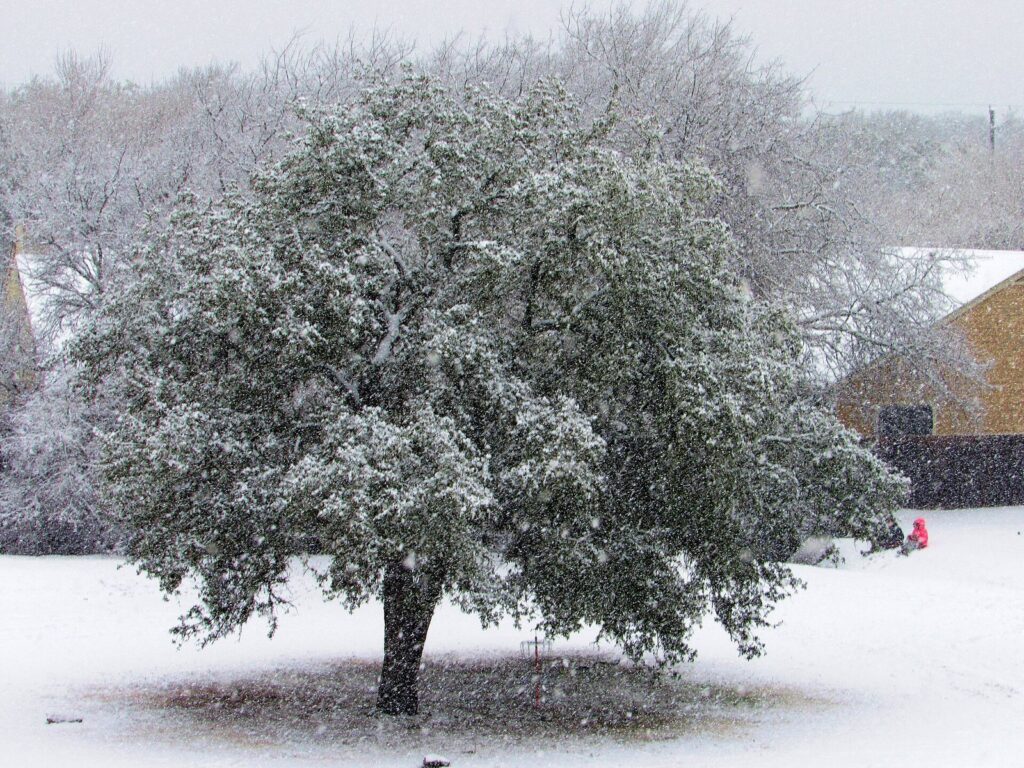
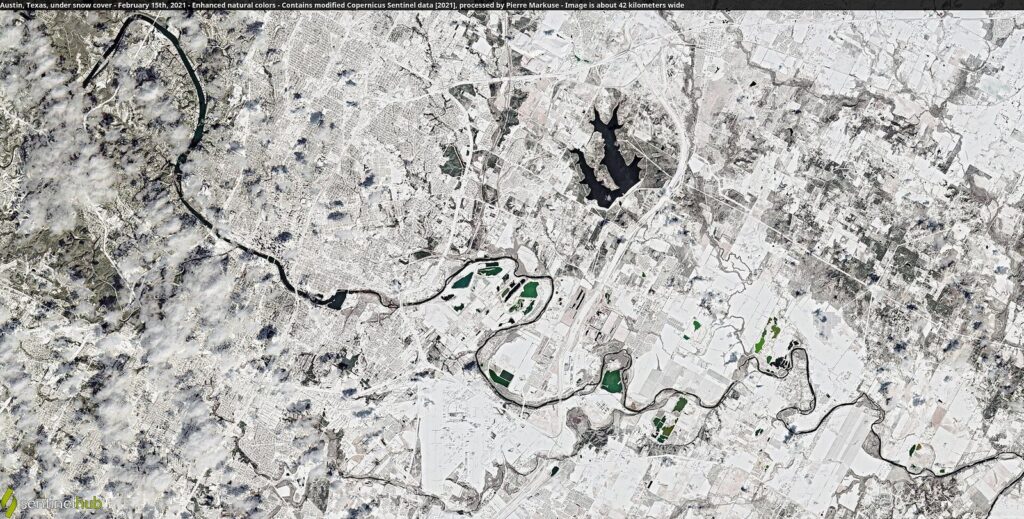
February averages highs of 66.5°F and lows of 45.8°F, with just 1.89 inches of rain, the least of any month. It still has about two freezing nights on average, and it has brought Austin’s biggest recent winter shock: in February 2021, 6.4 inches of snow fell at both official stations. Late winter is also the peak of fire-weather season, when dry air and gusty north winds follow cold fronts, so watch for burn bans in parks.
The 2027 Austin Marathon runs on Sunday, February 14, with road closures across central Austin that morning. Otherwise it’s a calm month, and the warm days hint at spring. Verdict: a good value month for runners and museum-goers. Have a plan for a rare freeze.
Good for: runners, museum days and the first warm afternoons. Watch out for: marathon-morning road closures, burn bans and ice storms.
March: bluebonnets, SXSW and the first warm days
March warms fast, with average highs of 73.3°F and lows of 52.2°F. The first bluebonnets usually open around mid-March, the bats return to the Congress Avenue Bridge, and severe-weather season begins, bringing the chance of hail and strong winds through May. At Zilker Park and Barton Springs, paid weekend parking and pool entry fees start around spring break.
It’s also the most expensive month of the year to visit. SXSW runs March 15 to 21, 2027, overlapping Rodeo Austin (March 12 to 27), and spring break adds families. Downtown hotels fill and prices climb. Verdict: glorious weather at peak prices. Come for SXSW, or come late in the month once it’s over.
Good for: SXSW, the rodeo, early wildflowers and the returning bats. Watch out for: the year’s highest hotel prices and spring-break crowds.
April: the best month of the year
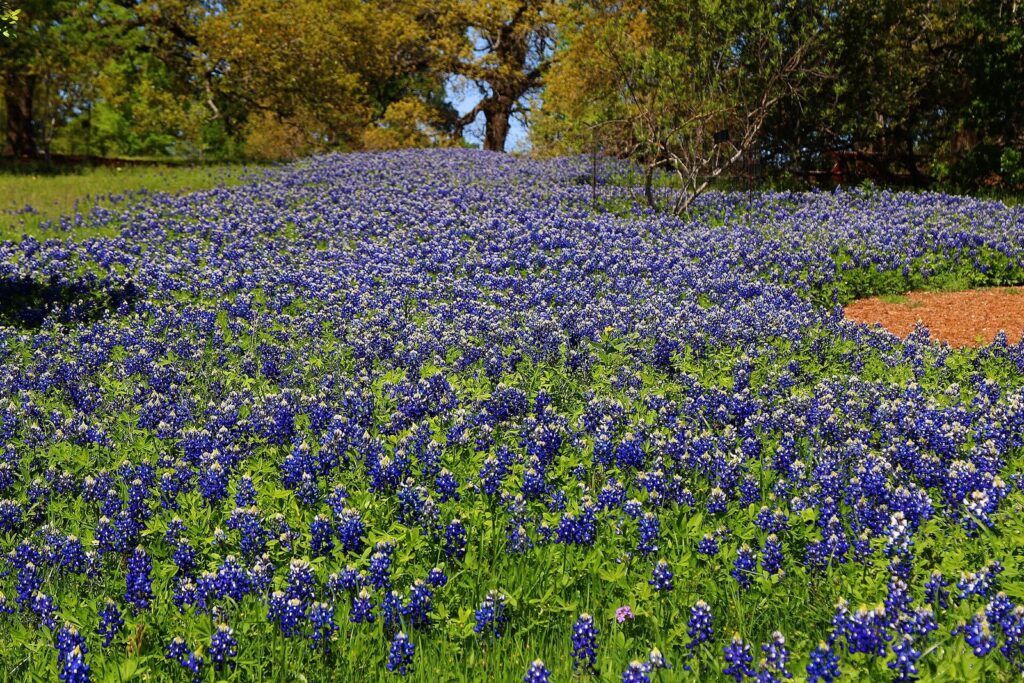
April averages highs of 80.3°F and lows of 58.9°F, with only about two or three days reaching 90°F. Bluebonnets usually peak from late March to mid-April, depending on the winter, and each bloom lasts about a month. The Wildflower Center, the Hill Country back roads and the city’s parks are at their best, and the Austin Bat Refuge counts spring through early May as one of the two best windows to see the bats.
The catch is spring storms. Afternoon thunderstorms can bring hail and flash flooding, so check the forecast before any Hill Country drive or creek hike. Weekend crowds are heavy, but prices ease once SXSW is over. Verdict: the single best month for most visitors, especially the first half.
Good for: bluebonnets, Hill Country drives, patios and bat watching. Watch out for: hail, flash floods and fully booked weekends.
May: warm, green and stormy
May averages highs of 86.9°F and lows of 66.8°F, but it’s also Austin’s wettest month, with 5.04 inches of rain on average, much of it from thunderstorms that can drop several inches in a few hours. Normal highs reach 90°F by May 26, and the month averages about 11 days at 90°F or more. It’s a lush, green time, and the city’s outdoor pools get busy.
One wildlife note: bat researchers say mid-May through June is the least likely time to see a big emergence at the Congress Avenue Bridge. Verdict: good for early May, less so late in the month. Take flash-flood warnings seriously, and never drive into water on the road.
Good for: green landscapes, early pool days and long evenings. Watch out for: the wettest month’s storms and the start of the 90°F season.
June: summer arrives
June averages highs of 93.2°F and lows of 72.9°F, with about 24 days at 90°F or more and three days at 100°F or more. It’s also the third-wettest month, at 3.68 inches. The days are long: the latest sunset of the year, about 8:38 p.m., comes at the end of the month. The Lady Bird Johnson Wildflower Center switches to summer hours, 7 a.m. to 3 p.m., from June 1 to August 31.
Free evening concerts at Blues on the Green (June 9 and 10 in 2026) and Juneteenth on June 19 are highlights. Verdict: fine for swimmers and early risers. Plan the day around water, museums and long evenings.
Good for: swimming, free concerts and late sunsets. Watch out for: midday heat and the Wildflower Center’s shorter summer hours.
July: hot, dry and all about water
July averages highs of 96.6°F and lows of 75.0°F, with 29 days at 90°F or more and nearly ten at 100°F or more; the average first 100-degree day of the year is July 9. It’s one of the drier months, at 1.96 inches. On July 4, the Zilker Botanical Garden and UMLAUF close.
This is the month to spend the middle of the day in the water or in air-conditioning. Barton Springs, Deep Eddy and the lakes are at their busiest, and the late-July return of strong bat flights gives you a reason to be out at sunset. Verdict: only for people who like heat or plan every afternoon around a swim. Walking South Congress at 3 p.m. is a mistake you only make once.
Good for: swimming, late-month bat flights and museum afternoons. Watch out for: near-daily 90°F highs, 100°F days and July 4 closures.
August: the hottest month
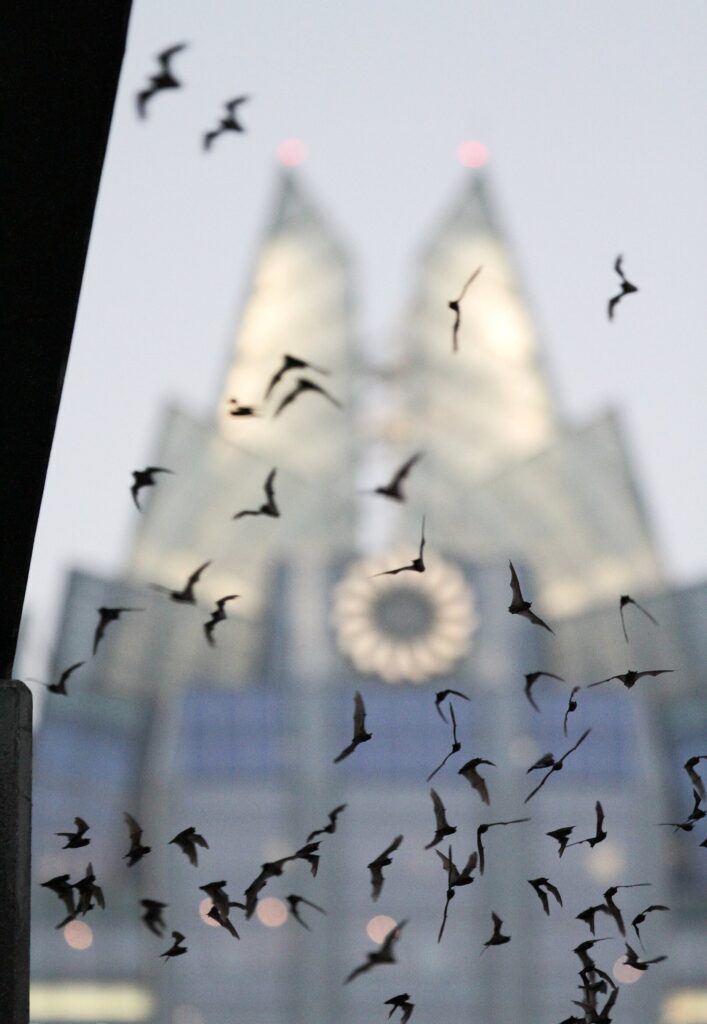
August is the peak of the heat, with average highs of 97.8°F, lows of 75.1°F, 29 days at 90°F or more and about 13 days at 100°F or more. Humid southeast winds can push the heat index above 110 on the worst afternoons. It’s also the best month for the bats: from late July to mid-September, the year’s pups join the evening flight.
Austin Pride is usually in late summer, and its night parade on Congress Avenue (August 22 in 2026) is a smart answer to the heat. Verdict: go for the bats and the swimming, not the sightseeing. Do everything outdoors before 11 a.m. or after 6 p.m.
Good for: the bats, swimming and Pride’s night parade. Watch out for: the year’s hottest days and heat indexes above 110.
September: the heat breaks, slowly
September still averages highs of 91.4°F and lows of 70.1°F, with 20 days at 90°F or more, but it turns a corner late in the month: normal highs drop below 90°F on September 23. Rain picks up to 3.45 inches, and tropical systems occasionally bring heavy rain, as Harvey did in 2017, when Camp Mabry recorded 7.94 inches. Longhorns football starts, and the bat flights stay strong until mid-month.
Verdict: early September is still summer; late September is the start of the good season. It’s also the last quiet stretch before October’s festivals, so it can be a smart time to book.
Good for: the bats until mid-month, the start of football and late-month patio weather. Watch out for: lingering heat, tropical downpours and ACL setup at Zilker.
October: great weather, big crowds
October averages highs of 82.5°F and lows of 60.8°F, with a handful of 90°F days early in the month. It’s the second-wettest month, at 3.91 inches, so an outdoor festival day can turn muddy. ACL (October 2 to 4 and 9 to 11, 2026), Formula 1 (October 23 to 25) and the Austin Film Festival (from October 29) make this the busiest month after March, and hotel prices show it.
Bat cruises run into early or mid-November, and the evenings are finally comfortable for patios and live music. Verdict: the best weather of the fall, if you book early or avoid the event weekends. The week after ACL is a sweet spot.
Good for: festivals, Formula 1, film, bat cruises and comfortable evenings. Watch out for: event-weekend prices and October’s rain.
November: the sweet spot
November averages highs of 71.5°F and lows of 50.5°F, with 2.92 inches of rain and almost no 90°F days. The first freeze usually waits until around December 1. The Texas Book Festival takes over the Capitol grounds on November 14 and 15, 2026, and the LBJ Library is free on Veterans Day, November 11. Most of the bats have headed south by November.
Prices ease after the October rush, except around Thanksgiving and the last home football game (November 21 in 2026). Many attractions close on Thanksgiving Day. Verdict: the best overall month for weather, value and crowds. If you can choose any month, choose early to mid-November.
Good for: walking, books, food and thinner crowds. Watch out for: Thanksgiving closures and game-day crowds near campus.
December: lights, holidays and changeable weather
December averages highs of 63.9°F and lows of 43.4°F, with about three freezing nights, and the earliest sunset of the year, about 5:31 p.m., comes in the first week. The Trail of Lights fills Zilker Park in December (2026 dates were still to be announced when we checked), and cedar pollen season begins. Many museums and gardens close on December 24 and 25.
Verdict: good for a festive city break, a food trip and holiday lights. Pack for anything from shirt-sleeve afternoons to a cold snap.
Good for: holiday lights, food and museums. Watch out for: short days, holiday closures and the start of cedar season.
Austin’s seasons at a glance
| Season | Weather | Crowds and prices | Best for |
|---|---|---|---|
| Spring (March to May) | Warm; wildflowers; storms and hail; May is wettest | Highest in March; busy weekends | Wildflowers, patios, SXSW |
| Summer (June to September) | 90°F or more almost daily; heat index can top 110 | Lower outside holidays and events | Swimming, bats, long evenings |
| Fall (October to November) | Warm October, mild November; October rain | Very high on ACL and Formula 1 weekends | Festivals, walking, live music |
| Winter (December to February) | Mild with cold fronts; about 12 freezing nights a year | The quietest season | Museums, food, holiday lights |
When is Austin cheapest?
Austin’s hotel prices follow events more than seasons. The most expensive weeks are SXSW in March, ACL’s two October weekends, the Formula 1 race, UT home football Saturdays and big holiday weekends. The best value usually comes in January and February, outside the marathon weekend, and in the weeks of late summer that don’t collide with a holiday. We don’t quote nightly rates, because they change daily, but three rules hold year-round:
- Sunday to Thursday beats Friday and Saturday in most weeks without a big event.
- The week after a festival usually has the same weather at a lower price.
- Taxes add up. The City of Austin lists an 11 percent hotel occupancy tax, and the state adds 6 percent, so budget about 17 percent on top of the room rate.
School calendars matter too. Austin ISD’s spring break in March is when the City starts charging entry at Barton Springs and weekend parking at Zilker, and that paid-parking season runs through Labor Day. Thanksgiving week is quiet in the city but busy at the airport, which warns that its parking fills quickly around the holidays, and the week between Christmas and New Year’s brings closures at many museums and gardens.
Our guide to where to stay in Austin explains which neighborhoods feel event weekends the most, and the Austin travel guide covers the rest of a trip budget.
The best time for different kinds of trips
- A first visit: April or November. The weather cooperates with a full day on foot, and April adds the bats.
- Music: March for SXSW, October for ACL, and any week at all for the clubs, since the city’s live music runs year-round.
- Families: spring and fall weekends are easiest. In summer, plan pool time for the afternoons; at spring break, expect crowds and higher prices.
- Hiking and outdoor time: October to April. The Barton Creek Greenbelt’s creek pools depend on recent rain, so spring after a wet winter is often best.
- Swimming: June to September, when the spring-fed water feels best, though Barton Springs is open all year.
- Hill Country day trips: late March to mid-April for wildflowers, or October and November for comfortable driving weather.
- A budget trip: January and February, or a midweek stay in late summer.
- Business travel: avoid SXSW week and Formula 1 weekend, when rooms are scarce and expensive.
Heat, storms and allergies: Austin’s weather risks by season
- Heat (May to September): expect about 123 days a year at 90°F or more and about 29 at 100°F or more, peaking in August. Drink water constantly, plan outdoor time for mornings and evenings, and treat dizziness, nausea or a pounding headache as a signal to get indoors.
- Flash floods (any time, especially May, June and October): the National Weather Service places Austin in Flash Flood Alley, where storms have dropped more than 5 inches of rain in a few hours. Low-water crossings flood fast. Never drive or walk into moving water.
- Severe storms (March to May): the main threats are large hail and strong winds. Tornadoes are uncommon and usually weak, but take warnings seriously.
- Tropical systems (late summer and fall): rare, and the risk is heavy rain rather than wind.
- Winter freezes (December to February): about 12 freezing nights a year, and significant ice or snow roughly once every two years. The city isn’t built for ice, so roads can shut down.
- Cedar fever (December to February): Ashe juniper pollen hits many visitors hard. Pack antihistamines if you’re sensitive.
- Fire weather (late winter): dry, windy days after cold fronts bring burn bans; McKinney Falls State Park, for example, has had a burn ban since August 11, 2026.
Rain is the risk visitors underestimate most. After heavy storms the City can close pools, trails and low-water crossings with little notice; Barton Springs, for example, closed from June 15 to 22, 2026 after flooding. If a road is covered by moving water, turn around. The Weather Service’s rule of thumb is that about a foot of moving water can float most cars, and six inches can knock you off your feet.
Daylight, sunrise and sunset
Austin gets about 14 hours and 8 minutes of daylight on the longest day and 10 hours and 14 minutes on the shortest. The latest sunset of the year comes at the end of June, around 8:38 p.m., and the earliest in the first week of December, around 5:31 p.m. That swing shapes a trip more than people expect. In summer you can swim after dinner and still catch the bats; in December the light is gone before most offices close, so plan outdoor sights for the middle of the day and save evenings for music, food and the Trail of Lights.
What to pack for Austin, season by season
| Season | Pack | Leave at home |
|---|---|---|
| Spring | Light layers, a rain shell, sunscreen, comfortable shoes, allergy medicine | A heavy coat |
| Summer | Breathable clothes, a hat, sunscreen, a refillable bottle, a swimsuit, a light layer for cold air-conditioning | Anything dark and heavy |
| Fall | Summer clothes for early October, a light jacket for November evenings, a rain layer | Winter gear |
| Winter | A warm jacket, layers, a hat for cold fronts, allergy medicine for cedar season | Nothing: a warm afternoon is always possible, so bring a T-shirt too |
Whatever the season, bring shoes you can walk in all day and a swimsuit: Barton Springs is open year-round and stays at 68 to 70°F.
When to see bluebonnets, bats and the best swimming
Bluebonnets: Texas bluebonnets usually peak from late March to mid-April, a little earlier after a warm winter and later after a cold one. The first flowers open around mid-March in the southern part of the state, and each season’s bloom lasts about a month. Their native range centers on the Hill Country and the Blackland Prairie, which puts Austin in the middle of it, and TxDOT seeds wildflowers along many highways.
The bats: the Mexican free-tailed bats roost under the Congress Avenue Bridge from about March into the fall and emerge around sunset. The best viewing runs from March to early May and from late July to mid-September. Mid-May through June is the least reliable time, and by November most of the colony has headed south, though the boat operators run bat cruises into early or mid-November.
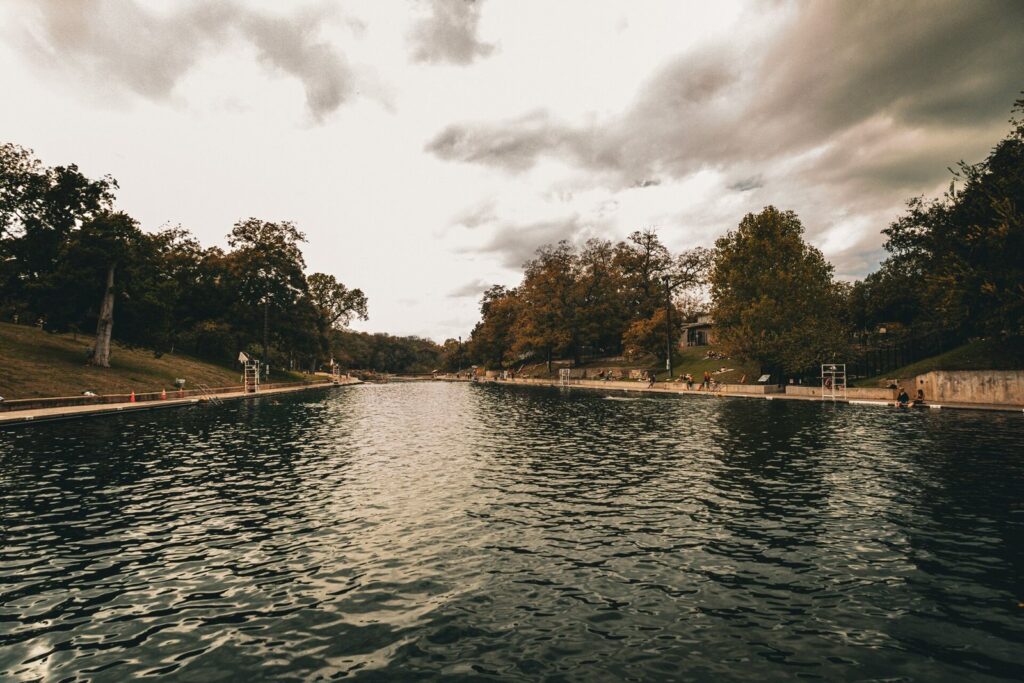
Swimming: Barton Springs is open all year, closing only on Thursdays from 9 a.m. to 7 p.m. for cleaning. Deep Eddy’s 2026 season runs to October 31, and Hamilton Pool needs a reservation every day of the year. For the full picture, including lakes and the Hill Country’s swimming holes, check current conditions before you go, since rain and algae can close them without much warning. Outdoor activities in Austin follow the same rule as swimming: do them early in summer and any time from October to April.
Plan the rest of your trip
Once you’ve picked your dates, our Austin itineraries turn them into timed day plans, our ranking of things to do in Austin covers the sights, and our guide to where to eat helps you book the meals worth booking. Families planning Austin with kids will find spring and fall far easier than summer, when afternoons are for pools only.
Best time to visit Austin: FAQ
What is the best month to visit Austin?
April and November, with late March and late October close behind. April averages highs of 80.3°F with wildflowers in bloom, and November averages 71.5°F with fewer events and lower prices. Avoid the SXSW week in March and the ACL and Formula 1 weekends in October unless you’re attending, because hotel prices climb across the city.
What is the worst time to visit Austin?
July and August, for most people. Average highs reach 96.6°F in July and 97.8°F in August, with about 13 days of 100°F or more in August alone. If heat doesn’t bother you, summer has perks: swimming, the best bat flights and easier hotel bookings outside holidays. Otherwise, the busiest festival weeks are the other time to avoid.
When is Austin cheapest to visit?
Usually January and February, apart from the marathon weekend, and late summer weeks that don’t collide with a holiday. Prices follow events more than weather, so check dates for SXSW, ACL, Formula 1 and UT home football before booking. Midweek stays are cheaper than weekends in most weeks, and hotel taxes add about 17 percent to any rate.
How many 100-degree days does Austin get?
About 29 in an average year, based on NOAA’s 1991–2020 normals for Camp Mabry: roughly 3 in June, 10 in July, 13 in August and 3 in September. Some years are far worse; in 2011, Austin logged 90 days at 100°F or more. The average first 100-degree day of the year is July 9.
Does it snow in Austin?
Rarely, but it happens. Austin averages about 12 freezing nights a year, and significant ice or snow disrupts travel roughly once every two years. The biggest recent storm, in February 2021, dropped 6.4 inches of snow. If you’re visiting from December to February, pack a warm jacket and watch the forecast for arctic fronts.
When is the rainy season in Austin?
Austin doesn’t have a single rainy season, but May is the wettest month, averaging 5.04 inches, followed by October at 3.91 inches and June at 3.68 inches. Rain usually comes in thunderstorms that can flood low-water crossings quickly. July and February are the driest months, though a summer storm can still pop up.
When do bluebonnets bloom near Austin?
Usually from late March to mid-April, with the timing shifting a week or two depending on the winter. The first flowers open around mid-March in the southern part of Texas, and the bloom lasts about a month. The Lady Bird Johnson Wildflower Center and Hill Country back roads are the best places to see them.
Related Austin Guides
- Austin Travel Guide: Plan the Perfect Trip: trip length, costs, the airport and what to book ahead.
- Austin Events and Festivals: Annual Planning Guide: every big date on the calendar, with transport and lodging tips.
- Austin Itineraries: 1 to 7 Days and Trip Styles: timed plans that work in any season.
- Where to Stay in Austin: Areas and Hotels: which areas get busiest on event weekends.
- Best Austin Attractions and Things to Do: what’s worth doing in each season.
Sources and verification
The details in this guide were checked on September 23, 2026 against the agencies and organizers listed below. The guide is compiled from these official sources rather than from other travel lists, and it doesn’t claim first-hand visits. Weather figures are long-term averages, not forecasts, so check the National Weather Service before you travel.
- NOAA and the National Weather Service: 1991–2020 monthly normals, Austin Camp Mabry; Austin climate summary
- Wildflowers: Texas Parks and Wildlife, Texas bluebonnet; TxDOT, bluebonnets and wildflowers; Texas Highways on wildflower season
- City of Austin: allergy and flu season; hotel occupancy tax; Barton Springs Pool; Deep Eddy Pool; park closures and ACL impacts
- Bats: Austin Bat Refuge; Bat Conservation International; Merlin Tuttle’s Bat Conservation
- Events: ACL Music Festival; Formula 1 United States Grand Prix; SXSW 2027 dates; Texas Book Festival; Austin Marathon; Rodeo Austin; Trail of Lights
- Parks and gardens: Lady Bird Johnson Wildflower Center; Hamilton Pool Preserve; McKinney Falls State Park; Zilker Botanical Garden; UMLAUF
- Daylight: sunrise and sunset times for Austin
Photo credits
- Winter Storm Uri in Austin, 2021: photo by David Kitto, Wikimedia Commons (CC0)
- Bluebonnets at the Lady Bird Johnson Wildflower Center: photo by Larry D. Moore, Wikimedia Commons (CC BY 4.0)
- Barton Springs Pool: photo by Ligocsicnarf89, Wikimedia Commons (CC BY 4.0)
- Congress Avenue Bridge bats: photo by Dan Pancamo, Wikimedia Commons (CC BY-SA 2.0)
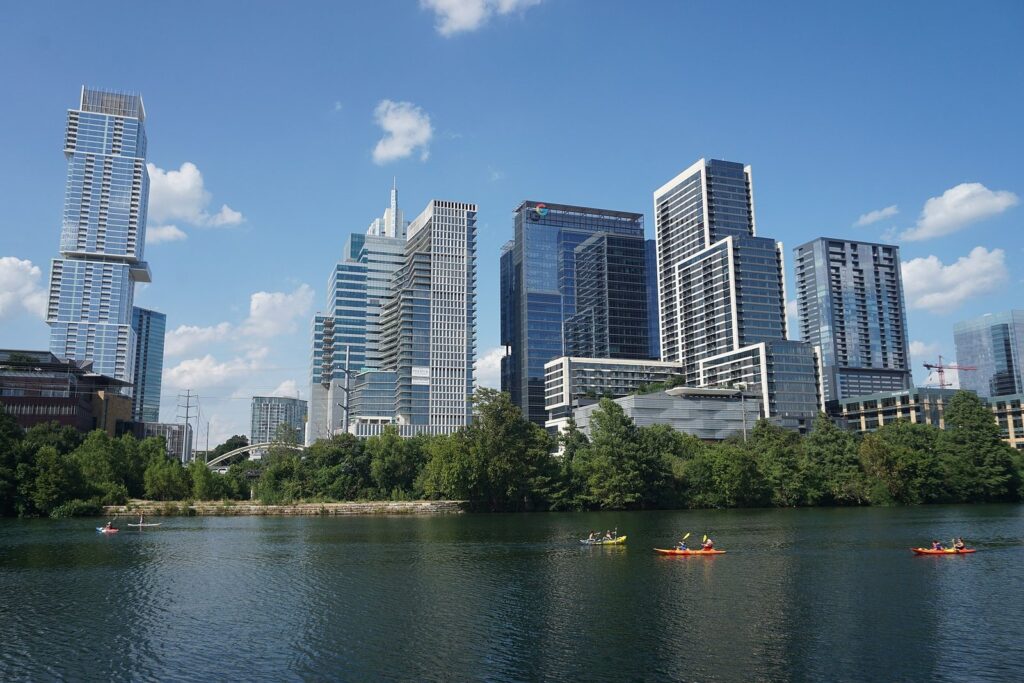
- Kayakers on Lady Bird Lake: photo by Michael Barera, Wikimedia Commons (CC BY-SA 4.0)
- Austin under snow, February 15, 2021 (satellite): photo by Pierre Markuse from Hamm, Germany, Wikimedia Commons (CC BY 2.0)
- Bluebonnets and Indian paintbrush at sunset (featured image): photo by 8bit12man, Wikimedia Commons (CC BY 4.0)