The core of Austin museums and culture fits in a few blocks between the Capitol and the University of Texas. The Texas State Capitol is free, with guided tours every 15 to 30 minutes. The Bullock Texas State History Museum tells the Texas story, the Blanton Museum of Art holds the region’s biggest art collection, the LBJ Presidential Library covers the Johnson years, and the Harry Ransom Center keeps a Gutenberg Bible on permanent view for free. Around them, Mexic-Arte, the Carver Museum, the Mexican American Cultural Center, the Texas State Cemetery and Austin’s moonlight towers tell the city’s own story. Timed right, most of it is free: the Blanton on Tuesdays, Mexic-Arte on Sundays and the Bullock on the first Sunday of the month.
This guide is for visitors who want Austin’s history, art and cultural communities, and for anyone who needs a plan for a rainy or 100-degree day. The caveat that matters: several landmarks are closed or changing in 2026, and many museums close on Mondays. Hours, prices, free days, exhibitions and closures below were checked on September 23, 2026 against the museums, the City of Austin and the state agencies that run them. For the full list of sights, see our ranked guide to Austin attractions.
What’s closed or different right now?
- Closed until 2027: the Elisabet Ney Museum in Hyde Park (renovation, reopening expected spring 2027), the Paramount Theatre on Congress Avenue (restoration, until spring 2027) and UT Tower tours (restoration expected to run through summer 2027).
- Reopened: the City’s Emma S. Barrientos Mexican American Cultural Center reopened to the public on June 6, 2026.
- At the Harry Ransom Center, the 1827 Niépce heliograph, the earliest surviving photograph made with a camera, is off view until October 15, 2026. The Gutenberg Bible is always on view.
- Game-day closures: the Texas Science & Natural History Museum closes on UT home football Saturdays: October 17, 24 and 31 and November 21, 2026.
- New at the Blanton: “Haas Brothers: Uncanny Valley” and “The European Avant-Garde: From Impressionism to Cubism” opened September 27, “Shadows on Stone” opens October 10, and the new café is due this fall.
- Free days ahead: the LBJ Library is free on October 12 and November 11; the Bullock is free on November 1 and December 6; the science museum is free on October 25, November 22 and December 27.
Austin museums at a glance
| Museum or site | Focus | Adult price | Free or cheaper | Closed |
|---|---|---|---|---|
| Texas State Capitol | Government, architecture | Free | Always free | Major holidays |
| Bullock Texas State History Museum | Texas history | $22 | First Sunday of the month | A few holidays |
| Blanton Museum of Art | Art, from antiquities to contemporary | $15 | Every Tuesday | Mondays |
| LBJ Presidential Library | The Johnson presidency, civil rights | $16 | Half price Tuesdays; free Oct. 12 and Nov. 11 | Thanksgiving, Christmas, New Year’s Day |
| Harry Ransom Center | Literature, photography, film | Free | Always free | Mondays |
| Texas Science & Natural History Museum | Fossils, natural history | $10 | Fourth Sunday of the month | Mondays; UT home game Saturdays |
| Mexic-Arte Museum | Mexican, Latino and Latin American art | $8 | Every Sunday | A few holidays |
| UMLAUF Sculpture Garden | Sculpture garden | $8 | Museums for All (EBT) | Mondays; ACL weekends |
| Carver Museum | African American history and culture | Free | Always free | Sundays |
| Texas State Cemetery | Texas history and heroes | No fee listed | Walk-in tours for small groups | Open daily |
The best Austin museums and cultural sites
Ranked for a visitor with limited time: how much each place tells you about Austin and Texas, how good the experience is, and how easy it is to fit in.
1. Texas State Capitol
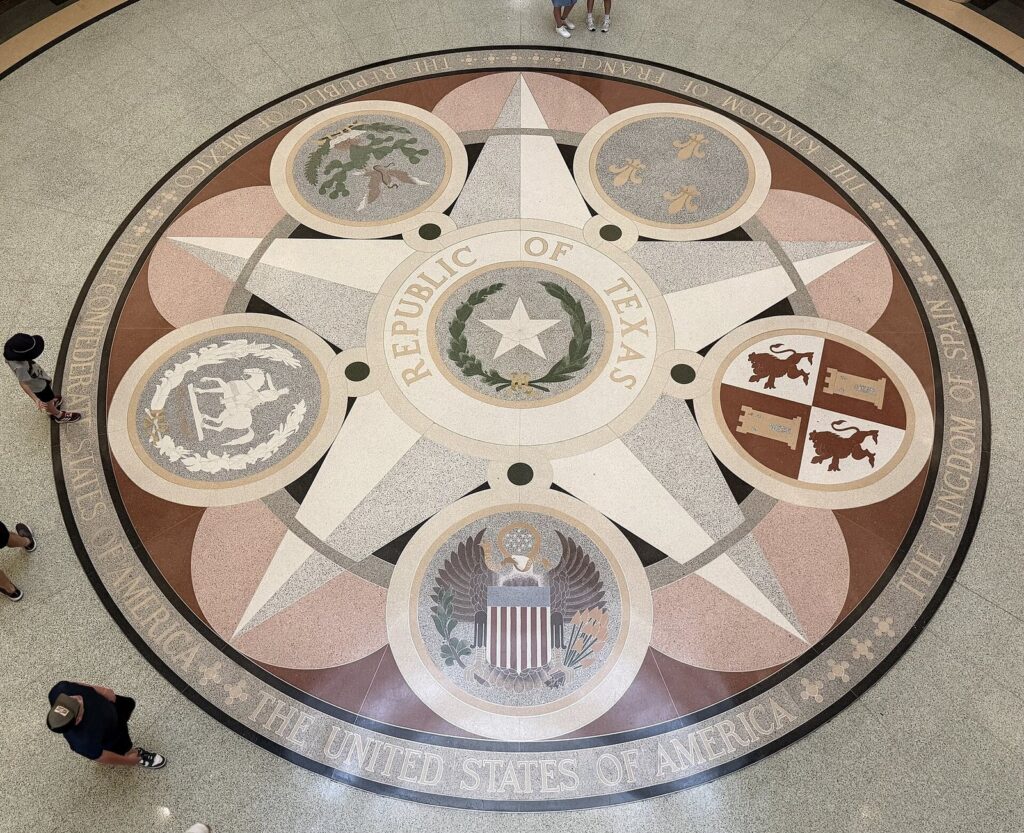
Start here. The Capitol, finished in 1888 to a design by Detroit architect Elijah E. Myers, is built of sunset-red granite donated from Granite Mountain in Burnet County, and it stands 302.64 feet from the south front to the tip of its statue, 14.64 feet taller than the U.S. Capitol, as the State Preservation Board is happy to point out. Free guided tours leave every 15 to 30 minutes and last about 40 minutes, Monday through Saturday from 9 a.m. and Sunday from noon, with the last at 4:15 p.m. The building is open for self-guided visits daily, with brochures in a dozen languages plus large-print and Braille versions.
Don’t skip the Capitol Visitors Center in the restored 1857 General Land Office on the southeast corner of the grounds, which the state calls the oldest state office building in Texas. It’s free, open Monday through Saturday from 9 a.m. to 5 p.m. and Sunday from noon, and has exhibits on the building’s construction, O. Henry (who worked in the Land Office) and a LEGO Capitol of about 65,000 bricks. Everyone passes through security screening at the Capitol, so allow a few extra minutes.
The numbers are part of the fun: more than 1,000 people built the Capitol, which had 392 rooms, 924 windows and 404 doors when it was finished and cost more than $3.7 million. The Goddess of Liberty went up on the dome in February 1888, the building was dedicated that May, and it’s now a National Historic Landmark.
2. Bullock Texas State History Museum
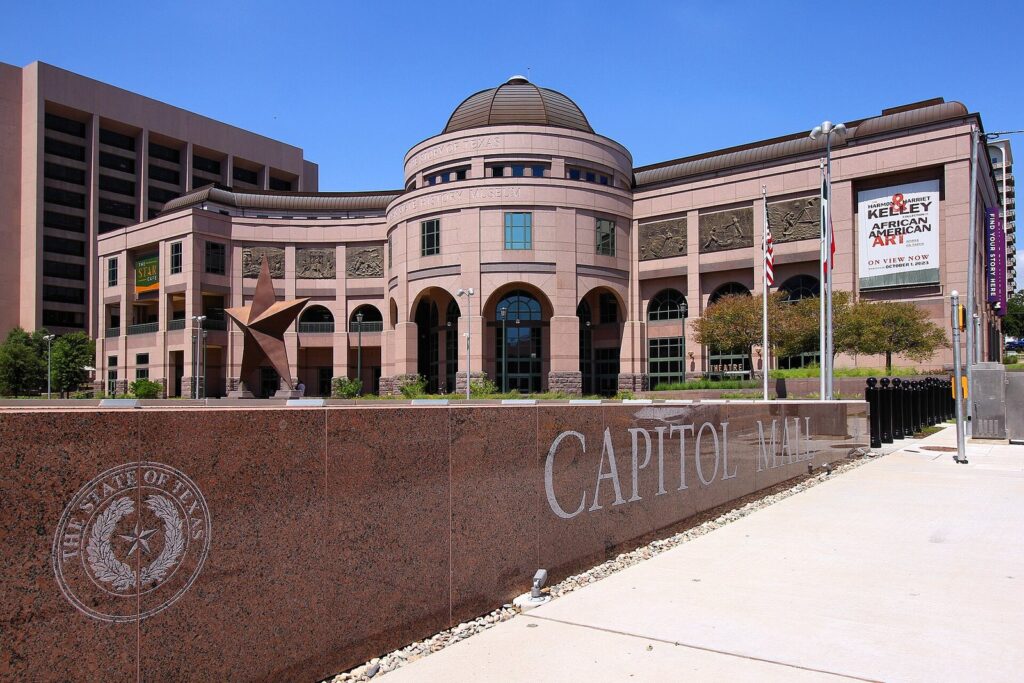
The Bullock, at 1800 North Congress Avenue, is the best single introduction to Texas history. It’s open daily from 10 a.m. to 5 p.m. Exhibit admission is $22 for adults, $18 for students, military and seniors and $16 for youth, with children 5 and under free, and it’s free for everyone on the first Sunday of each month. The IMAX theater shows documentaries ($10 for adults) and feature films, and the Texas Spirit Theater’s short shows cost $6. Online tickets carry a small fee; same-day re-entry is allowed.
The Star Cafe and the store don’t need a ticket. The underground garage, entered from 18th Street, charges $15 for a full day, rising to $30 on UT home football days. There are no lockers, and backpacks must be smaller than 12 by 12 by 12 inches.
Beyond first Sundays, the Bullock offers free admission through Museums for All (for SNAP and WIC cardholders and their guests), to active-duty military and their families under Blue Star Museums from Armed Forces Day to Labor Day, and on the second Sunday in July for Bob Bullock’s birthday. Tickets aren’t refundable, but they can be rescheduled up to a day ahead.
3. Blanton Museum of Art
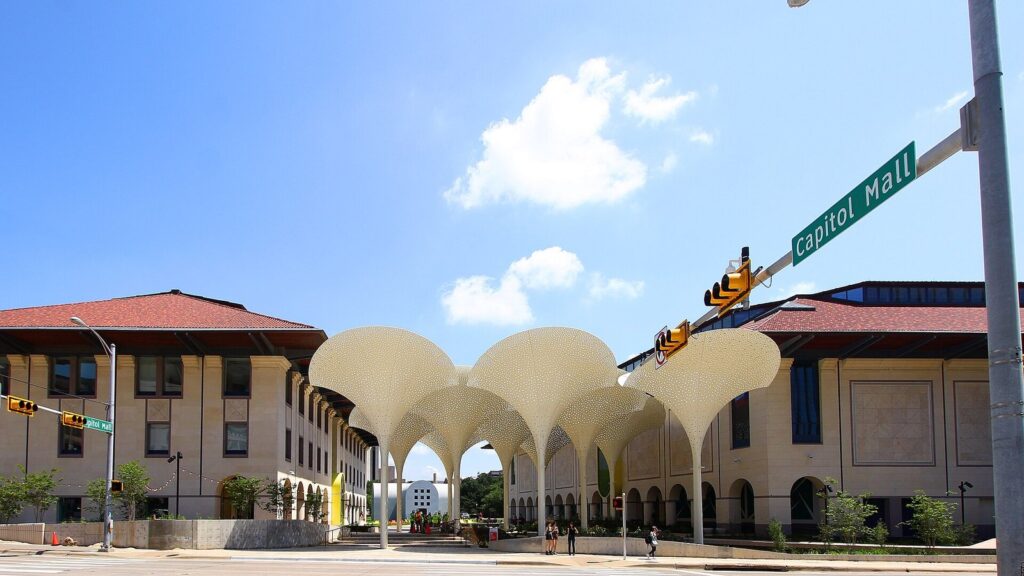
The University of Texas’s art museum, at 200 East Martin Luther King Jr. Boulevard, has one of the largest university art collections in the country. It’s open Tuesday through Friday from 10 a.m. to 5 p.m., Saturday until 8 p.m. and Sunday until 5 p.m., and closed Mondays. Admission is $15 for adults, $12 for seniors and $8 for youth, with free admission for everyone on Tuesdays and for kids 5 and under.
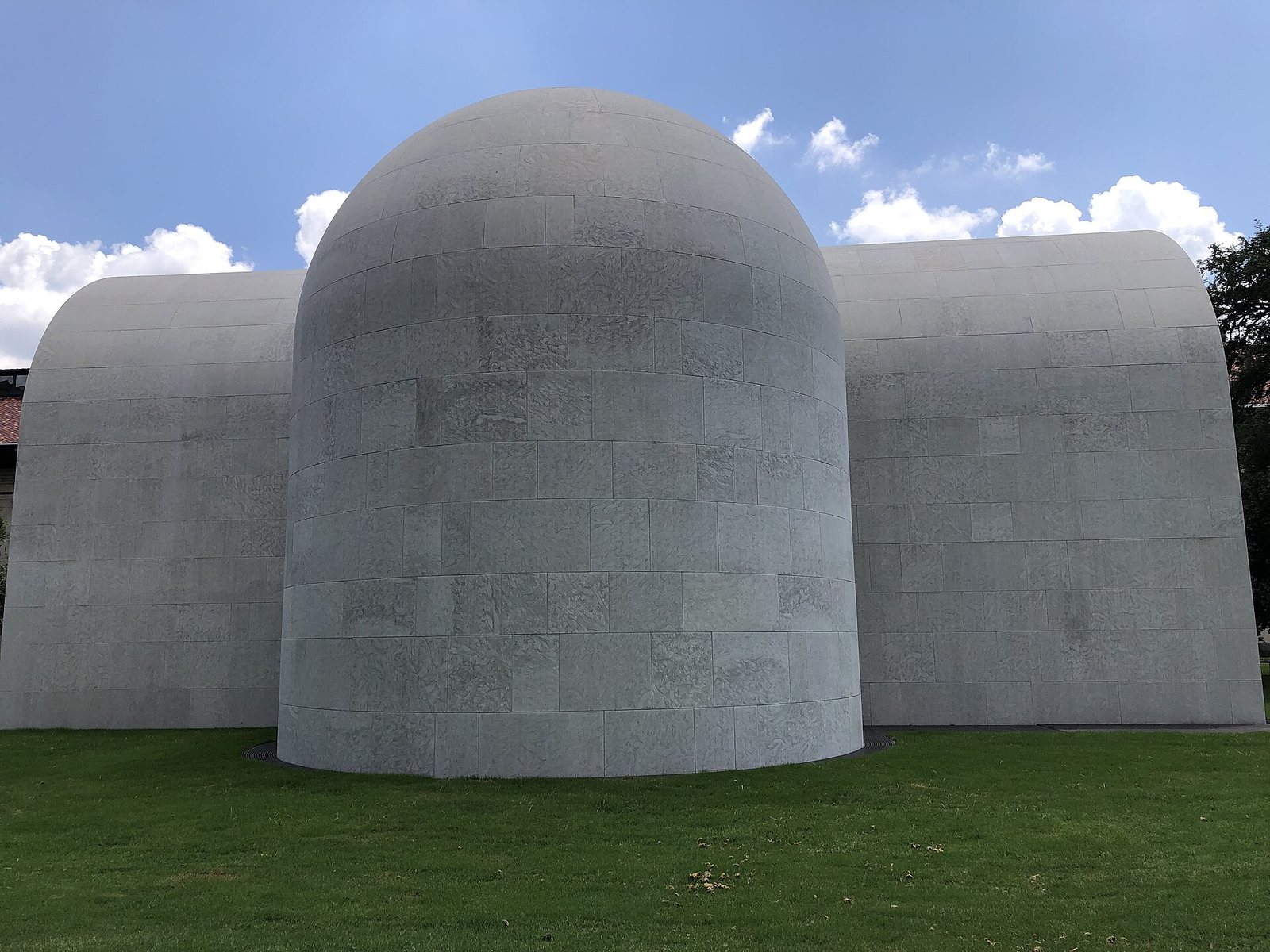
The must-see is Ellsworth Kelly’s Austin, a 2,715-square-foot stone chapel of light completed in 2018 and the only building Kelly designed; it’s included with admission, and you check in at the main building first. This fall’s shows include “Haas Brothers: Uncanny Valley,” “The European Avant-Garde: From Impressionism to Cubism” and “Shadows on Stone,” opening October 10. Park in the university’s Brazos Garage, the closest, where two hours cost $6.
Admission is also free with a UT Austin ID and for K-12 teachers, and from Armed Forces Day to Labor Day, active military and up to five guests get in free through Blue Star Museums.
4. LBJ Presidential Library
The Lyndon Baines Johnson Library at 2313 Red River Street tells the story of the Johnson presidency, from civil rights and the Great Society to Vietnam. It’s open every day from 9 a.m. to 5 p.m. (last admission at 4 p.m.), and a ticket is good all day. Adults pay $16, seniors $12, and children under 12 are free; every ticket is half price on Tuesdays, and the remaining free days in 2026 are October 12 and November 11. The permanent exhibit on the fourth floor reopened in March 2026 after a multimillion-dollar renovation.
It’s a federal facility run by the National Archives, so bags are inspected and large bags and backpacks go to a free bag check. Parking is free in UT lot 38, just off Red River Street, during business hours.
Admission is free every day for UT students, faculty and staff, for active-duty military with up to five family members, for SNAP and WIC cardholders through Museums for All, and, in a nice touch, for anyone named Lyndon or Claudia.
5. Harry Ransom Center
The Ransom Center, at 300 West 21st Street on the UT campus, is a humanities research library with free galleries that punch far above their size. Its Gutenberg Bible, one of 20 complete copies in the world and one of five in the United States, is always on view, and the Niépce heliograph from 1827, the earliest surviving photograph made with a camera, returns to view after October 15. Current shows are “Houdini’s Library” (through January 24, 2027) and “The Worlds of Gertrude Stein” (through January 11, 2027).
The galleries open Tuesday through Friday from 10 a.m. to 5 p.m. and weekends from noon to 5 p.m., and close on Mondays. Bags, food and drink stay in the lockers. Metered parking on Guadalupe Street is free on Sundays, and curbside accessible spaces are available after 5:45 p.m. on weekdays and anytime on weekends.
6. Mexic-Arte Museum
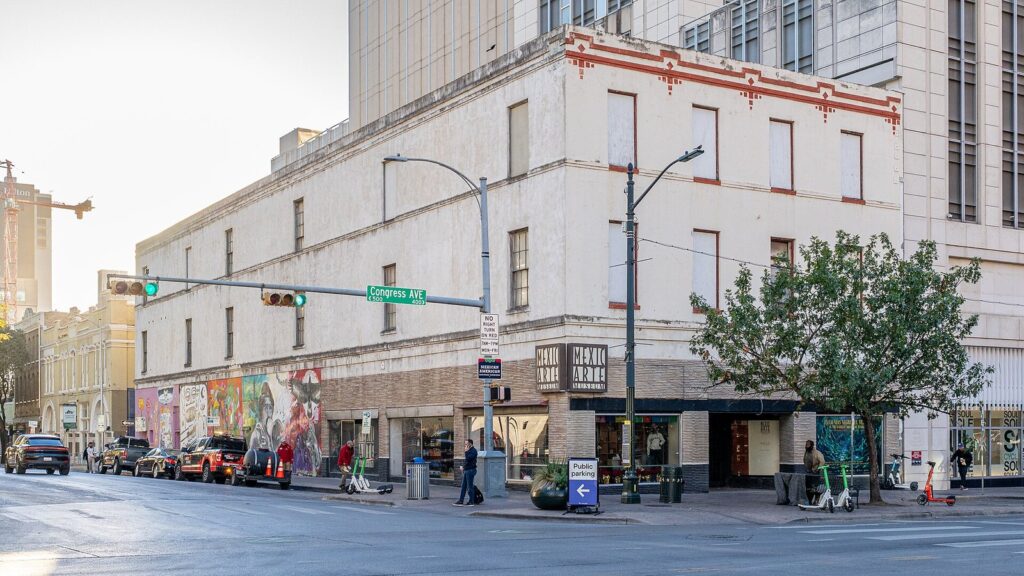
Downtown’s Mexic-Arte, at 419 Congress Avenue on the corner of Fifth Street, focuses on Mexican, Latino and Latin American art, and its fall Día de los Muertos exhibition is a city tradition. This year’s, “Día de los Muertos: Coleccionando Memorias,” runs from September 11, 2026 to January 3, 2027. Hours are Monday through Thursday from 10 a.m. to 6 p.m., Friday and Saturday until 5 p.m., and Sunday from noon to 5 p.m. Admission is $8 for adults and $1 for children 12 and under, and Sundays are free for everyone.
7. Texas State Cemetery
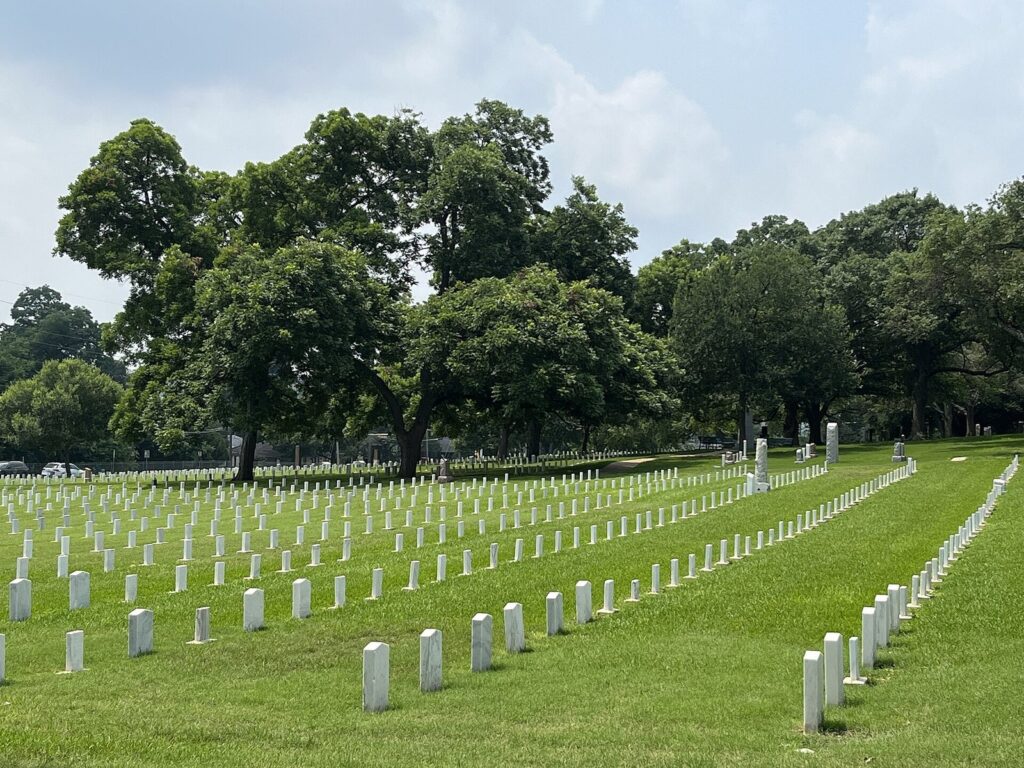
About a mile east of the Capitol at 909 Navasota Street, the 18-acre State Cemetery holds about 3,200 burials, including Stephen F. Austin, the father of Texas, and Barbara Jordan, the first Black woman elected to Congress from the South. The grounds open daily from 8 a.m. to 5 p.m.; check in at the limestone Visitors Center, which is modeled on the Alamo’s long barracks. Walk-in tours run seven days a week for groups under 10, depending on guide availability, and larger groups book ahead. No gravestone rubbings, food or pets, and the terrain is uneven.
8. George Washington Carver Museum, Cultural and Genealogy Center
The City’s Carver Museum at 1165 Angelina Street in East Austin preserves African American material culture, history and art, and it’s free. The museum and cultural center open Monday, Tuesday, Wednesday and Friday from 10 a.m. to 6 p.m., Thursday until 9 p.m. and Saturday until 4 p.m., and close on Sundays; the genealogy center keeps shorter afternoon hours. Pair it with a walk through the surrounding East Austin blocks, the historic heart of Black Austin.
9. The Contemporary Austin
Austin’s contemporary art museum has two sites: the Jones Center downtown at 700 Congress Avenue, and Laguna Gloria, a 14-acre lakeside property at 3809 West 35th Street with the Betty and Edward Marcus Sculpture Park. We couldn’t confirm its current hours and prices directly, so check its website before you go; as of mid-2026, Laguna Gloria charged $10 for adults, with free entry for everyone on Thursdays and for anyone under 18, and one ticket covered both sites within seven days.
10. UMLAUF Sculpture Garden + Museum
Across from Barton Springs Pool at 605 Azie Morton Road, UMLAUF shows the work of sculptor Charles Umlauf and other artists in a shady garden that’s an easy add-on to a Zilker day. It’s open Tuesday through Friday from 10 a.m. to 4 p.m. and weekends from 11 a.m., closed Mondays, and closed on both ACL Festival weekends. Adults pay $8 and K-12 students $2, and families with an EBT card get in free through Museums for All. Parking is limited, with overflow at Wright Field or the Zilker lots.
11. Texas Science & Natural History Museum
Formerly the Texas Memorial Museum, UT’s natural history museum at 2400 Trinity Street reopened after renovations in 2023 with fossils, minerals and Texas wildlife. It’s open Tuesday through Saturday from 10 a.m. to 5 p.m. and Sunday from 1 p.m., closed Mondays and on UT home football Saturdays. General admission is $10 and youth $6, with free admission for everyone on the fourth Sunday of the month; it’s card only. The famous Paluxy dinosaur trackways aren’t on view while a new building is planned.
12. Emma S. Barrientos Mexican American Cultural Center
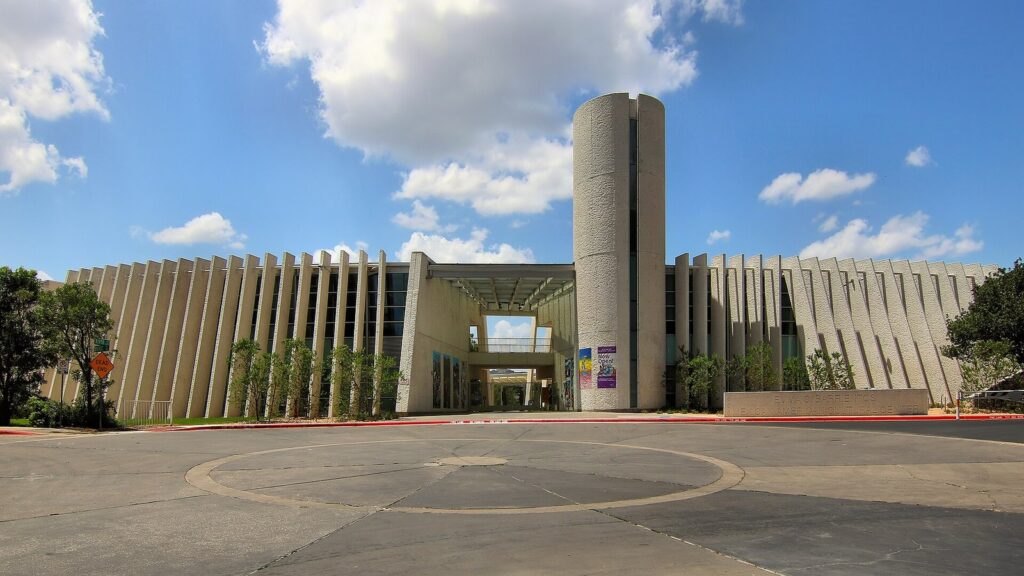
The City’s Mexican American Cultural Center, by Lady Bird Lake near Rainey Street, is dedicated to the cultural arts of Mexican American and Latino communities, with exhibitions, performances, festivals and classes. It reopened to the public on June 6, 2026. Check the City’s calendar for current shows and events, which are often free.
Austin’s heritage and cultural communities
Austin’s history isn’t only in its museums. Several communities have shaped the city, and their places are still there to visit.
Black Austin
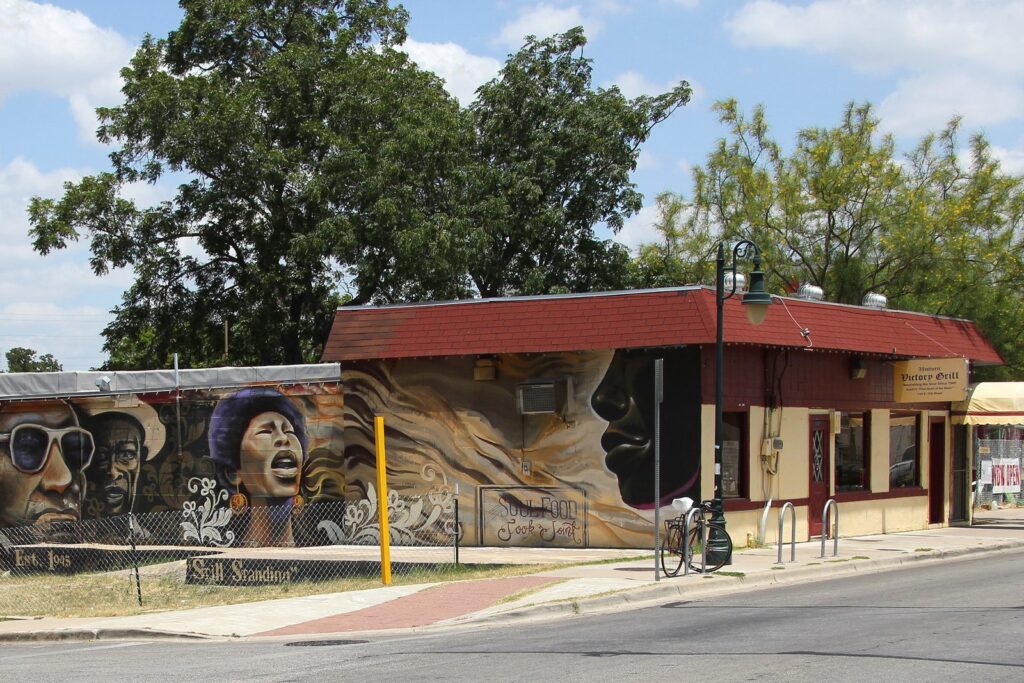
East of I-35, Central East Austin was the center of Black life in the city after Austin’s 1928 City Plan steered Black residents there; the nonprofit Six Square takes its name from that roughly six-square-mile area and works to preserve its heritage. The Victory Grill on East 11th Street opened in August 1945, founded by Johnny Holmes for returning Black veterans of World War II, and became a Chitlin’ Circuit stop for B.B. King, Bobby Bland and Clarence “Gatemouth” Brown. Add the Carver Museum, Barbara Jordan’s grave at the Texas State Cemetery, and a guided walk with Black Austin Tours, and you have a full day. Clarksville, west of downtown, began in 1871 as a freedmen’s community founded by Charles Clark.
Mexican American and Tejano Austin
Mexic-Arte downtown, the Mexican American Cultural Center by the lake and East Austin’s Tejano Walking Trail tell this story. The trail links 24 significant sites in the East Cesar Chavez and Holly neighborhoods; you can walk it on your own in about an hour and a half, and a local guide leads it on the third Saturday of each month. Fall is the best season, when Día de los Muertos exhibitions and events fill the calendar.
Asian American Austin
The City’s Asian American Resource Center in North Austin describes itself as a space of belonging and healing for Asian American communities, with exhibitions, classes and events through the year. Check its calendar before you go.
Early Texas and the Republic
The French Legation, built in 1841 for France’s envoy to the Republic of Texas and one of the oldest houses in Austin, runs 45-minute tours Tuesday through Saturday ($7 for adults). Downtown’s Brush Square has the free O. Henry Museum, open Wednesday through Sunday afternoons, and the Joseph and Susanna Dickinson-Hannig House, home of Alamo survivor Susanna Dickinson. For more on these areas, see our guide to Austin neighborhoods for tourists.
Landmarks, public art and murals
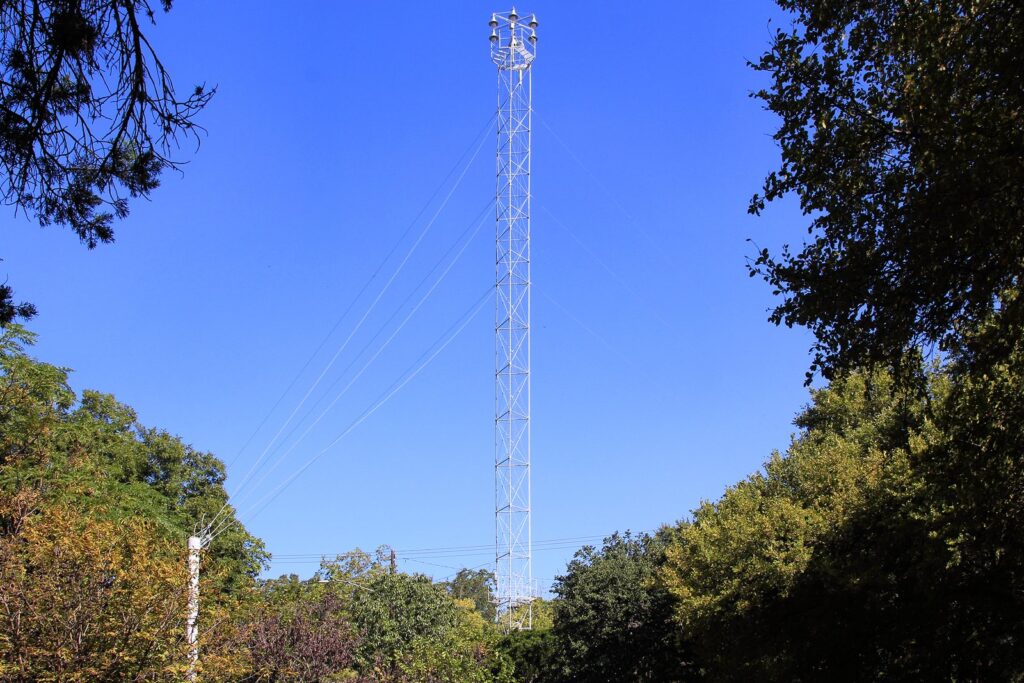
- Moonlight towers: Austin put up 31 of these 165-foot iron towers in 1894 and 1895 to light the city, and 17 remain. Austin Energy says they’re the only working moonlight towers in the world. The one in Zilker Park becomes the Zilker Holiday Tree each December; the 2026 lighting is on Sunday, November 29 at 6 p.m.
- Treaty Oak: in a small park on Baylor Street between Fifth and Sixth, this live oak is believed to be more than 500 years old. The story that Stephen F. Austin signed a treaty beneath it is legend, and the tree survived a 1989 poisoning that killed about three-quarters of it.
- The Driskill Hotel: cattle baron Jesse Driskill opened his Romanesque Revival hotel at Sixth and Brazos in December 1886, and its lobby is open to look around.
- Murals: “i love you so much” on the side of Jo’s Coffee on South Congress and the “Greetings from Austin” postcard at South First and Annie Street are the famous photo stops. Daniel Johnston’s “Hi, How Are You” frog, painted in 1993 at 21st and Guadalupe streets, survived the demolition of its building in 2023. HOPE Outdoor Gallery, the graffiti park, now lives at 741 Dalton Lane in southeast Austin, free and open to all.
- Music statues: a bronze Stevie Ray Vaughan stands beside the trail at Vic Mathias Shores on the south shore of Lady Bird Lake, and an 8-foot Willie Nelson stands outside ACL Live.
Where to see performing arts
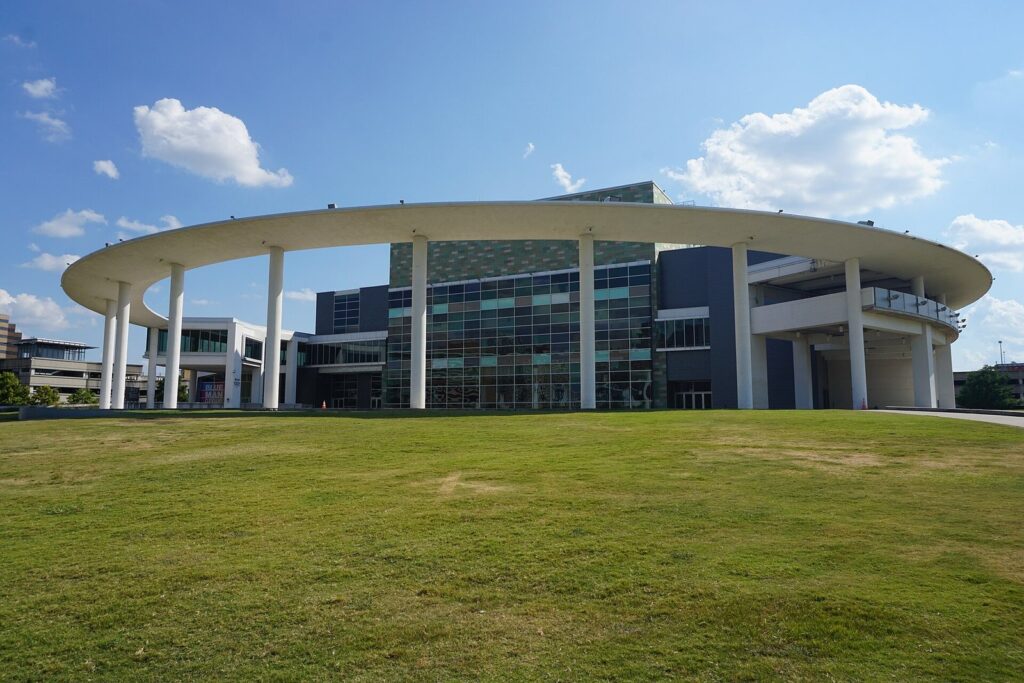
The Long Center for the Performing Arts on the south shore of Lady Bird Lake is home to Austin Opera, Ballet Austin and the Austin Symphony Orchestra, with the 2,400-seat Dell Hall and a smaller studio theater. Its lawn faces one of the best skyline views in the city. The Paramount Theatre is closed for restoration until spring 2027, and its classic film programming moved to the neighboring State Theatre and the Bullock’s IMAX in the meantime. Esther’s Follies on Sixth Street stages musical comedy Thursday through Saturday, the City’s Zilker Hillside Theater hosts outdoor performances, and live music is the city’s everyday art form; our guide to live music in Austin covers the venues.
Only in Austin: the quirky side
- Museum of the Weird: inside a Sixth Street curio shop at 412 East Sixth, with sideshow oddities; open daily, $12.99 for adults.
- Cathedral of Junk: Vince Hannemann’s backyard sculpture in South Austin, started in 1988 and built from an estimated 60-plus tons of junk. There are no set hours: call him at (512) 299-7413 to arrange a visit. Admission is free, and he accepts cash donations.
- HOPE Outdoor Gallery: the graffiti park reborn in southeast Austin, with public paint walls. Its site lists conflicting hours, so check before you go.
Museum-day routes
| Day | Route | Why it works |
|---|---|---|
| Tuesday | Blanton (free) → Harry Ransom Center (free) → LBJ Library (half price) | Three of Austin’s best, all on or near the UT campus, for about $8 |
| First Sunday | Bullock (free) → Capitol (free) → Mexic-Arte (free) | A full downtown history-and-art day at no charge |
| Fourth Sunday | Texas Science & Natural History Museum (free) → Bullock IMAX | Good for families; check for UT game days in fall |
| East Side day | Texas State Cemetery → Carver Museum → Victory Grill and Six Square → French Legation | Austin’s Black and early-Texas history in one area |
| Zilker day | UMLAUF → Barton Springs → Zilker Botanical Garden | Art and a swim, a mile from downtown |
What to do on a rainy or very hot day
Austin’s museums are its best escape from summer heat and the occasional rainy day. Build the day around the Capitol Mall, where the Capitol, the Bullock and the Blanton sit within a short walk of each other, then add the Ransom Center. The Central Library downtown is free and air-conditioned, with a rooftop garden on the sixth floor and Christian Moeller’s 37-foot kinetic sculpture Caw in the atrium; it’s open Monday through Thursday until 8 p.m. and on weekends. With kids, the Thinkery children’s museum at Mueller and the Bullock’s IMAX fill an afternoon. Our guide to Austin with kids has more.
Parking and getting there
| Museum | Parking |
|---|---|
| Texas State Capitol | Capitol Visitors Parking Garage, 1201 San Jacinto Blvd.: first 2 hours free on weekdays, then $1 per half hour, $12 maximum |
| Bullock Museum | Underground garage off 18th Street, $15 a day ($30 on UT home football days) |
| Blanton Museum | UT’s Brazos Garage is closest: $6 for 1-2 hours, up to $18 for a day |
| LBJ Library | Free in UT lot 38 off Red River Street during business hours |
| Harry Ransom Center | Metered parking on Guadalupe Street, free on Sundays |
| Texas Science & Natural History Museum | San Jacinto Garage next door; a $6 two-hour pass for six spots on Trinity Street |
| Central Library | Underground garage, first hour free, $5 for up to 2 hours |
| Texas State Cemetery | Street parking on Navasota Street; accessible parking at the Visitors Center |
Most of these are an easy walk or a short bus ride apart: CapMetro’s Rapid routes run up Guadalupe past the UT campus, and a local ride costs $1.25 with a $2.50 daily cap. Our guide to getting around Austin covers transit and parking.
Accessibility at Austin’s museums
The Capitol’s accessible entrance is on the north side, with wheelchairs available at the Tour Guide office, large-print and Braille brochures, and free Wi-Fi. The Ransom Center offers curbside accessible parking in the evenings and on weekends. The Central Library’s garage has seven accessible spaces on its first level. At the LBJ Library, security inspects all bags and large ones go to a free bag check; the Bullock has no lockers and limits backpacks. The Texas State Cemetery’s terrain is uneven, but accessible parking sits right at the Visitors Center. For anything else, call ahead: most museums publish accessibility contacts on their visit pages.
How long do you need at each museum?
| Museum | Time needed | Pair it with |
|---|---|---|
| Texas State Capitol and Visitors Center | 1-2 hours | The Bullock, a 10-minute walk north up Congress Avenue |
| Bullock Museum | 2-3 hours, more with an IMAX film | The Blanton, across the street on the Capitol Mall |
| Blanton Museum of Art | 1.5-2 hours | The Harry Ransom Center, a short walk through campus |
| LBJ Presidential Library | 1.5-2 hours | The Texas Science & Natural History Museum |
| Harry Ransom Center | 45 minutes to 1 hour | Lunch on the Drag (Guadalupe Street) |
| Mexic-Arte Museum | 45 minutes | The O. Henry Museum in Brush Square |
| Texas State Cemetery | 1 hour | The French Legation and the Carver Museum |
| UMLAUF Sculpture Garden | 45 minutes | Barton Springs Pool across the road |
What’s on the cultural calendar?
- Fall: Día de los Muertos season, with Mexic-Arte’s exhibition running from September 11, 2026 to January 3, 2027, and ACL Festival in early October.
- Winter: the Zilker Holiday Tree, built around the moonlight tower in Zilker Park, is lit on Sunday, November 29, 2026 at 6 p.m. and glows nightly through January 1.
- Spring: South by Southwest, with its film and music festivals, runs March 15-21, 2027.
- Summer: free Blues on the Green concerts in Zilker Park (June in 2026) and air-conditioned museum days.
- Year-round: the free museum days, the Capitol tours, and exhibitions at the Blanton and the Ransom Center that change several times a year.
Our Austin festivals and events calendar has the full year.
Which museums work best with kids?
The Bullock is the best all-rounder, with free admission for children 5 and under and an IMAX theater. The Capitol Visitors Center’s LEGO Capitol, built from about 65,000 bricks, is a hit, and the Capitol tour is short enough for most kids. The Texas Science & Natural History Museum’s fossils suit dinosaur fans (it’s free for children 4 and under and for everyone on the fourth Sunday), and the Thinkery, Austin’s children’s museum at Mueller, is open Tuesday through Sunday for $19.95 per person aged 1 and up. At Mexic-Arte, children 12 and under pay $1.
Tips for visiting Austin’s museums
- Mind Mondays. The Blanton, the Ransom Center, the science museum and UMLAUF are closed; the Capitol, the Bullock, the LBJ Library and Mexic-Arte are open.
- Check UT game days. On home football Saturdays, campus parking gets expensive or full, the science museum closes and the Bullock’s garage charges $30.
- Travel light. The LBJ Library inspects all bags and checks large ones, the Bullock has no lockers and limits backpacks, and the Ransom Center keeps bags, food and drink in lockers.
- Buy smart. Bullock tickets bought online carry a small fee and aren’t refundable, though they can be rescheduled; the science museum takes cards only.
- Expect crowds on free days, especially the Bullock’s first Sunday. Arrive at opening.
Austin museums and culture FAQ
What is the best museum in Austin?
For Texas history, the Bullock Texas State History Museum ($22, free on the first Sunday of the month). For art, the Blanton Museum of Art ($15, free every Tuesday), home of Ellsworth Kelly’s chapel-like Austin. And the free Texas State Capitol, with guided tours every 15 to 30 minutes, is the best place to start any visit.
Which Austin museums are free?
The Texas State Capitol and its Visitors Center, the Harry Ransom Center, the Carver Museum, the O. Henry Museum and the Central Library are always free. The Blanton is free on Tuesdays, Mexic-Arte on Sundays, the Bullock on the first Sunday of the month and the Texas Science & Natural History Museum on the fourth. The LBJ Library is free on October 12 and November 11, 2026.
Are Austin museums open on Mondays?
Some are. The Capitol, the Bullock, the LBJ Library and Mexic-Arte open on Mondays, but the Blanton, the Harry Ransom Center, the Texas Science & Natural History Museum and UMLAUF are closed. The Carver Museum is open Mondays and closed Sundays. On a Monday, plan the Capitol and Bullock in the morning and the LBJ Library in the afternoon.
Can you see the Gutenberg Bible in Austin?
Yes. The Harry Ransom Center at the University of Texas keeps its Gutenberg Bible, one of 20 complete copies in the world, always on view, and admission is free. The galleries are open Tuesday through Sunday and closed Mondays. The Ransom Center’s 1827 Niépce heliograph, the earliest surviving camera photograph, returns to view after October 15, 2026.
What are the moonlight towers?
Iron lamp towers, 165 feet tall, that Austin put up in 1894 and 1895 to light the city at night. Of the original 31, 17 remain, and Austin Energy says they’re the only working moonlight towers in the world. The tower in Zilker Park becomes the Zilker Holiday Tree each December, lit this year on November 29.
What should I do in Austin on a rainy day?
Head to the Capitol Mall: tour the Capitol for free, spend two or three hours at the Bullock, and walk to the Blanton (free on Tuesdays). Add the free Harry Ransom Center on the UT campus, the Central Library downtown, or an IMAX film at the Bullock. With kids, the Thinkery at Mueller is built for rainy afternoons.
How much time do you need at the Bullock Museum?
Plan two to three hours for the exhibitions, and more if you add an IMAX film, which runs separately ($10 for adults for documentaries). The museum is open daily from 10 a.m. to 5 p.m. and sits a 10-minute walk north of the Capitol, so the two make an easy half day. Admission is free on the first Sunday of every month.
Can you go up the UT Tower?
Not at the moment. The University of Texas lists Tower tours as currently unavailable during a restoration of the Tower and Main Building that’s expected to last through summer 2027, with the Tower wrapped in scaffolding. The university offers an official 360° virtual tour instead, and the Blanton and the Ransom Center are a short walk away.
Related Austin Guides
- Things to Do in Austin: the top attractions, ranked, museums included.
- Austin Neighborhoods: the areas behind the heritage, from East Austin to Clarksville.
- Austin Events and Festivals: Día de los Muertos, the holiday tree and the cultural calendar.
- Austin on a Budget: every free museum day in one place.
- Best Tours in Austin: history walks, Black Austin Tours and the Capitol tour.
Sources and verification
Hours, prices, free days, exhibitions, closures and historical details in this guide were checked on September 23, 2026 against the museums, agencies and historians listed below. The guide is compiled from these sources rather than from other travel lists, and it doesn’t claim first-hand visits. Exhibitions change; check each museum’s site for the current lineup.
- State of Texas: Texas State Capitol tours, Capitol accessibility, Capitol parking, Texas State Cemetery, Bullock Texas State History Museum, French Legation State Historic Site
- University of Texas: Blanton Museum of Art, Ellsworth Kelly’s Austin, Harry Ransom Center, Texas Science & Natural History Museum, UT Tower restoration
- National Archives: LBJ Presidential Library
- City of Austin: Museums and cultural programs, Carver Museum, O. Henry Museum, Elisabet Ney Museum, Austin Public Library, Austin Energy: moonlight towers
- Museums and venues: Mexic-Arte Museum, UMLAUF Sculpture Garden, Long Center for the Performing Arts, Paramount Theatre restoration, Museum of the Weird, HOPE Outdoor Gallery, Thinkery
- History: Handbook of Texas: Treaty Oak, Handbook of Texas: Driskill Hotel, Handbook of Texas: Clarksville, Texas Historical Commission: moonlight towers, Clio: Victory Grill
- Visit Austin: Museums in Austin, Austin tours (Tejano Walking Trail, Black Austin Tours)
Photo credits
- Texas State Capitol rotunda floor: photo by Farragutful, Wikimedia Commons (CC BY-SA 4.0)
- Bullock Texas State History Museum: photo by Larry D. Moore, Wikimedia Commons (CC BY 4.0)
- Blanton Museum of Art: photo by Larry D. Moore, Wikimedia Commons (CC BY 4.0)
- Mexic-Arte Museum: photo by ajay_suresh, Wikimedia Commons (CC BY 4.0)
- Texas State Cemetery, 2024: photo by Another Believer, Wikimedia Commons (CC BY-SA 4.0)
- Emma S. Barrientos Mexican American Cultural Center, 2026: photo by Larry D. Moore, Wikimedia Commons (CC BY 4.0)
- Victory Grill, East Austin: photo by Larry D. Moore, Wikimedia Commons (CC BY 4.0)
- Moonlight tower on East Side Drive: photo by Larry D. Moore, Wikimedia Commons (CC BY 4.0)
- Long Center for the Performing Arts, 2019: photo by Michael Barera, Wikimedia Commons (CC BY-SA 4.0)
- Ellsworth Kelly's Austin at the Blanton Museum of Art, 2023 (featured image): photo by Stevensaylor, Wikimedia Commons (CC BY-SA 4.0)