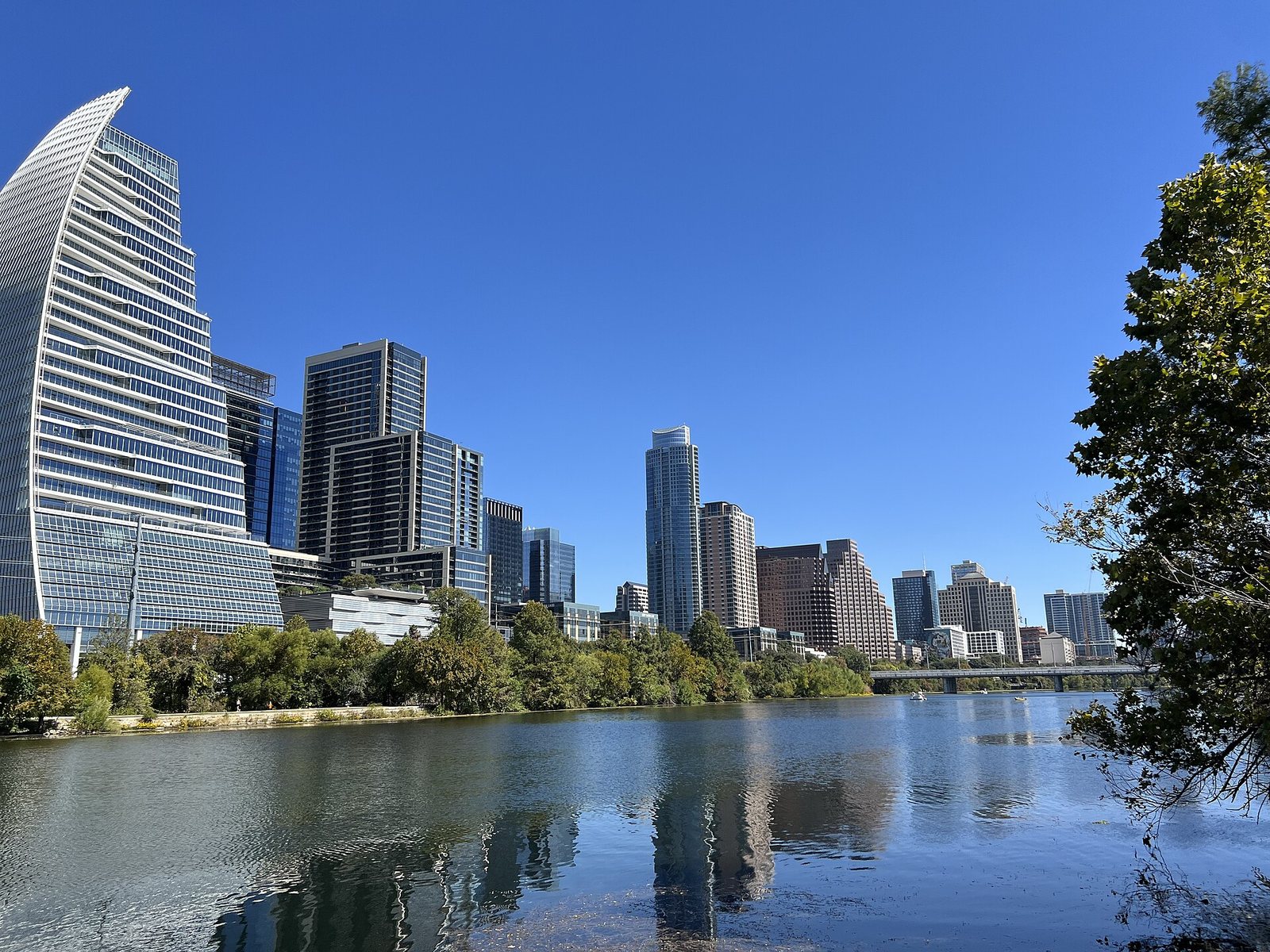
The short version of this Austin travel guide: give the city three days, sleep downtown or close to South Congress so most evenings are walkable, come between mid-October and November or between March and May if your dates are flexible, and lock in the handful of things that need reservations before you land. Austin is an easy city to like and a surprisingly easy one to get wrong. Most disappointing trips trace back to the same three things: summer heat, festival weekends and a car-first layout that punishes vague plans.
This page is for first-time visitors and anyone shaping a two- to five-day trip. One caveat outweighs the rest: a big event changes everything, from hotel prices to how long it takes to cross downtown, so check the festival calendar before you commit to dates. Prices, hours, closures and event dates below were checked September 23, 2026 against official sources, and where something depends on the season or the weather, we say so.
What’s closed or different right now?
Several things that affect visitors are mid-change this fall. As of late September 2026:
- The Austin Convention Center is a construction site. It closed in April 2025 for a teardown and rebuild and should reopen for the spring 2029 festival season, so expect fencing and detours around that block until then.
- I-35 is being rebuilt through central Austin. TxDOT’s work runs through 2033 and detours the Butler Trail near Rainey Street. Anything that crosses the interstate at rush hour takes longer than your map app promises.
- Zilker Park is being set up for Austin City Limits. The Great Lawn is closed from September 21 to October 18, 2026, and nearby parking lots close in stages. Barton Springs Pool, the Butler Trail and the Barton Creek Greenbelt stay open, but on festival weekends (October 2 to 4 and 9 to 11) you can enter the pool only from Azie Morton Road.
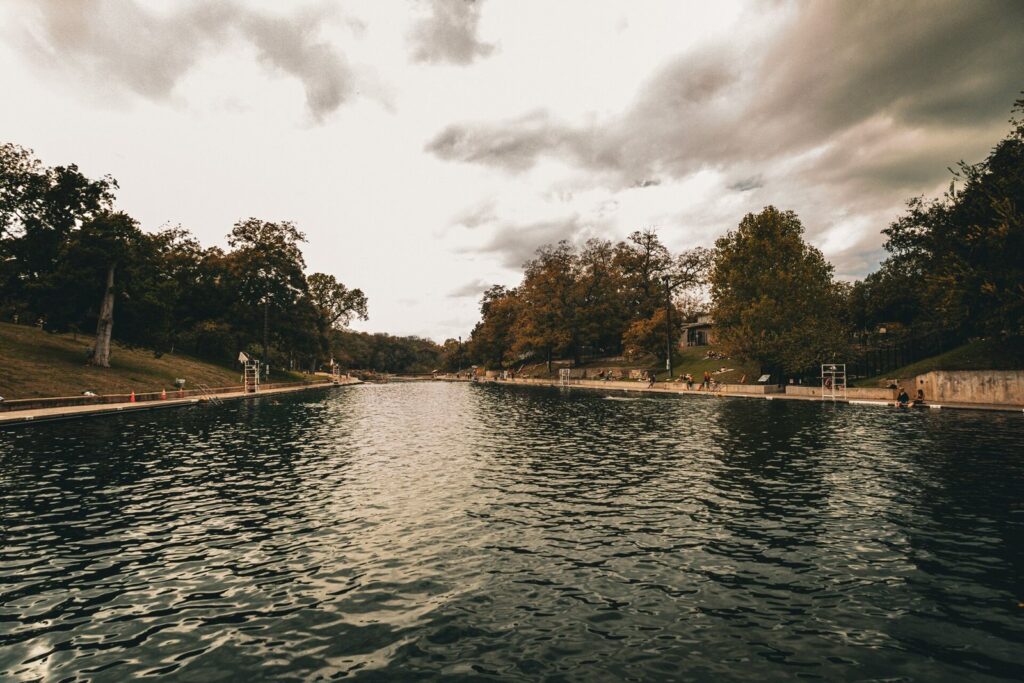
- Barton Springs Pool has work along its east side. Retaining-wall repair and tree removal began September 8, 2026 and runs in phases into early 2027. The pool keeps normal hours, including its weekly Thursday cleaning closure from 9 a.m. to 7 p.m.
- Hamilton Pool is partly off-limits. The trail under the overhang is closed because of falling rock, and only a small part of the pool is open for water access, on days when swimming is allowed at all.
- The Texas Governor’s Mansion is closed to public tours in July, August and September for maintenance. Tours are free the rest of the year, but they must be booked at least a week out.
- South Congress Hotel is closed for renovation. It shut around May 31, 2026 and is expected to reopen in spring 2027 as The Standard. Its Mañana coffee shop stays open.
- The airport now runs from one terminal. Allegiant and Frontier moved into the Barbara Jordan Terminal on April 1, 2026, and the airport’s expansion work continues around it.
- Bus fares may go up. CapMetro’s board votes September 28, 2026 on raising the local fare from $1.25 to $1.50 from January 10, 2027.
Austin trip planning at a glance
| Decision | Short answer | What changes it |
|---|---|---|
| How long to stay | Three days for a first visit | Add a day or two for the Hill Country, a lake or a festival |
| Best months | Mid-October to November; March to May | SXSW, ACL and Formula 1 weekends drive hotel prices up |
| Biggest cost | Hotel nights | City and state hotel taxes add about 17% to the room rate |
| Car | Skip it for a central stay | You’ll want one for Hamilton Pool, Lake Travis and Hill Country towns |
| Book ahead | Hamilton Pool, Governor’s Mansion tours, event-weekend hotels | The Capitol, most museums and the bats need no booking |
| Biggest risk | Heat, then flash floods | Normal highs sit at 90°F or above from late May to late September |
How is Austin laid out?
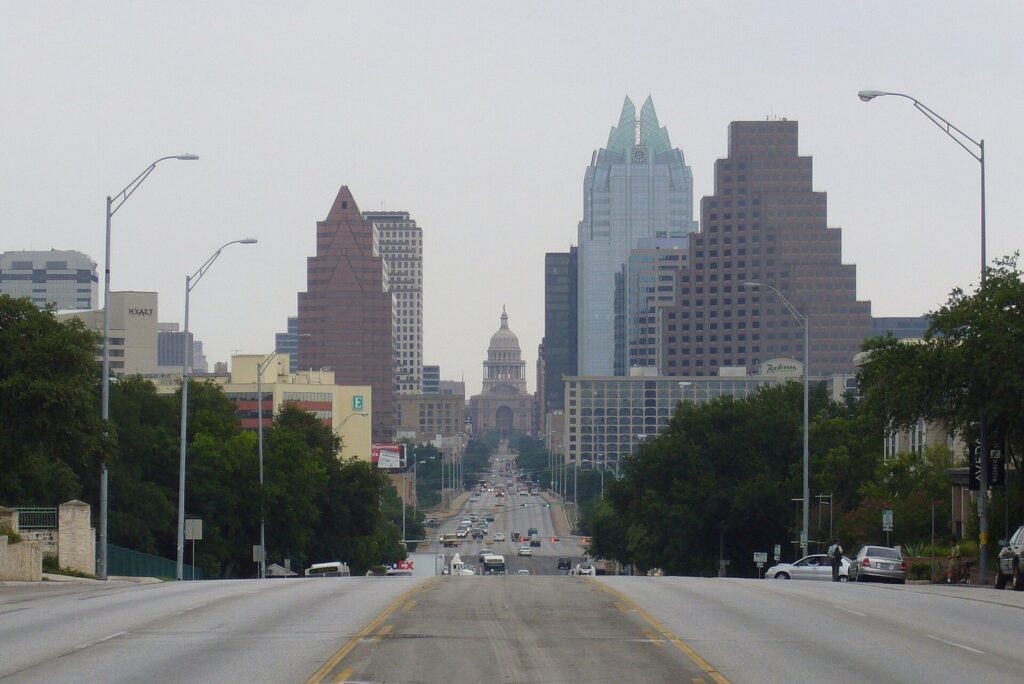
Learn one street and the rest of the map falls into place. Congress Avenue starts at the Texas Capitol, runs south through downtown, crosses the Colorado River on the Ann W. Richards Congress Avenue Bridge and becomes South Congress, the shopping and music strip everyone calls SoCo. The river through the middle of town is dammed into Lady Bird Lake, so “north of the river” means downtown and the University of Texas, and “south of the river” means South Congress, Zilker Park, Barton Springs and South Lamar.
I-35 marks the east edge of downtown, and East Austin, beyond it, is where many of the city’s newer restaurants, bars and small hotels have landed. MoPac (Loop 1) is the western highway. The National Weather Service places Austin on the Balcones Escarpment, with elevations rising from about 400 feet in the east to just over 1,000 feet in the northwest, and that rise is where the Hill Country of limestone creeks and swimming holes begins.
Three lakes trip people up, so keep them straight:
- Lady Bird Lake is the narrow downtown reservoir with the 10-mile Butler Trail around it. It’s for paddling and running, not swimming: City code makes it illegal to swim, wade or even go into the water except to rescue someone.
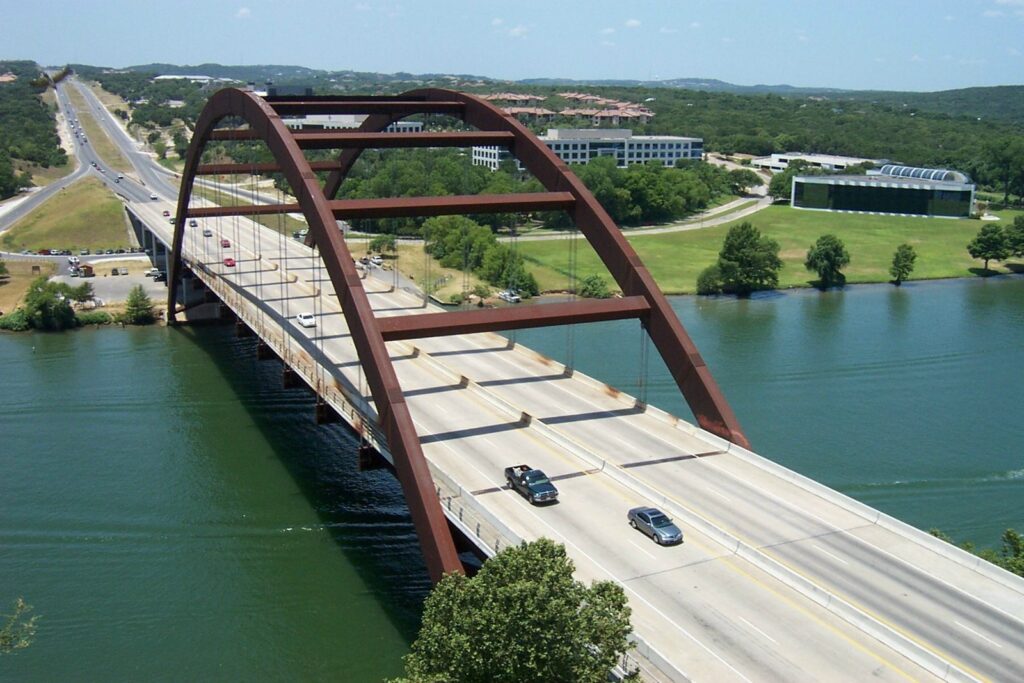
- Lake Austin is the next reservoir upstream, a long river-lake below Mount Bonnell and the Pennybacker Bridge, lined with private homes and boat docks.
- Lake Travis is the big Hill Country reservoir farther west, with marinas, lakeside restaurants and parks. It’s a separate outing, not something you pass on the way to dinner.
Keep the jurisdictions straight too. The City of Austin runs the downtown parks and pools, Travis County runs preserves like Hamilton Pool, and Hill Country towns such as Wimberley, Dripping Springs and Fredericksburg are separate places with their own hours and traffic.
How many days do you need in Austin?
Three days is the sweet spot for a first visit: enough for the downtown sights, a swim, a barbecue lunch, a couple of music nights and a slow morning somewhere green, without living in a car. Two days works if you stay central and let the Hill Country wait. Five lets you add a lake or a small town without rushing.
| Trip length | What fits comfortably | What you’ll skip |
|---|---|---|
| 1 day | The Capitol, one museum, South Congress, the bats at sunset | Swimming, East Austin, anything west of MoPac |
| 2 days | Add Zilker Park, Barton Springs and a night of live music | Hill Country, lakes, the smaller museums |
| 3 days | Add East Austin, the UT museums and a paddle on Lady Bird Lake | Day trips |
| 4 to 5 days | Add Hamilton Pool, Lake Travis or a Hill Country town | Very little, if you pace yourself in the heat |
| A week or more | Add a festival, a Texas road-trip leg or real downtime | Nothing; slow down instead |
The rhythm matters more than the checklist. Most good Austin itineraries run the same way: outdoors early, indoors through the hottest hours, back outside for sunset and dinner. The Capitol grounds open at 7 a.m., museums soak up the afternoon, and the bats and the bands take over once the heat breaks. Our guide to the best things to do in Austin ranks the sights and groups them by area, so use it to fill in the days once you’ve settled how many you have.
One day: the downtown spine
With a single day, stay on Congress Avenue. Start at the Capitol, where self-guided visits and guided tours are both free, walk north to the Bullock Texas State History Museum, then head south for lunch and a wander on South Congress. Finish on or near the Congress Avenue Bridge for the bat flight around sunset, which runs from March into the fall. In summer, ride the two miles between the Capitol and SoCo and save your legs for the evening.
Two or three days: water, East Austin and campus
Give day two to Zilker Park and Barton Springs Pool, the spring-fed pool that stays around 68 to 70°F all year, and add an hour in a kayak or on a paddleboard on Lady Bird Lake. Day three splits well between the University of Texas museums north of the Capitol (the Blanton is free on Tuesdays) and East Austin, where the barbecue, taco and cocktail scenes are thickest. Put the evenings into Austin’s live music scene, and pick a venue before you pick a street.
Four or five days: the Hill Country
Extra days belong to the landscape west of town. Hamilton Pool Preserve, the collapsed-grotto swimming hole in western Travis County, needs a timed reservation every day of the year. Lake Travis, the Pennybacker Bridge and small towns like Wimberley and Fredericksburg all need a car. The best day trips from Austin start early and come back before dark, because the two-lane roads out there are no place to drive tired after a day in the sun.
When is the best time to visit Austin?
For most people, the best time to visit Austin is mid-October through November or March through May. The weather is warm but manageable, the patios are full and the Hill Country is green. The catch is that those same windows hold the city’s biggest events, so the smartest dates are usually the weeks just after a festival rather than during one.
| Season | Weather (NWS normals) | Crowds and demand | Best for |
|---|---|---|---|
| Spring (Mar–May) | Warm; storm season, and May is the wettest month; highs reach 90°F by late May | Peak in mid-March (SXSW), busy through April | Wildflowers, patios, bat watching |
| Summer (Jun–Sep) | Highs of 90°F or more nearly every day; the first 100°F day averages July 9 | Lower outside holiday and event weekends | Spring-fed pools, late-summer bat flights |
| Fall (Oct–Nov) | Warm October, pleasant November; October is the second-wettest month | Very high on ACL, Formula 1 and UT game weekends | Festivals, music, walking |
| Winter (Dec–Feb) | January highs in the low 60s, lows in the low 40s; about 12 freezing days a year | The quietest season | Museums, restaurants, cold-water swims |
Spring: wildflowers, SXSW and storms
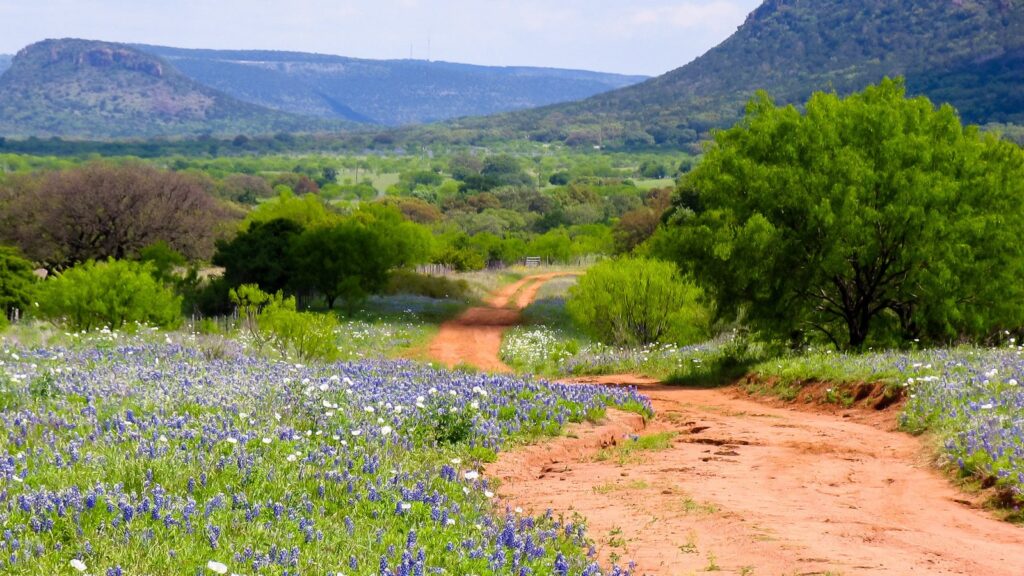
Spring is beautiful and busy. Bluebonnets and other wildflowers line the roadsides in March and April, and the Austin Bat Refuge names March to early May as one of the two best windows for watching the Congress Avenue colony. The other side of spring is weather. The National Weather Service counts March through May as severe-weather season, mostly large hail and strong winds, and May is Austin’s wettest month on average. Pack a rain shell and check the forecast before any Hill Country drive.
SXSW takes over mid-March (March 15 to 21 in 2027), and rooms near downtown fill well ahead. If you’re not attending, plan around that week rather than into it.
Summer: heat, swimming and the best bat flights
Summer in Austin is long. Normal highs reach 90°F by May 26 and don’t drop back below 90 until September 23, and the first half of August brings normal highs in the upper 90s with overnight lows in the mid-70s. The heat index sometimes tops 110. Plan around it and summer pays off: Barton Springs and Deep Eddy are at their best, rooms are easier to find outside holiday and event weekends, and late July to mid-September is the other peak for the bats, when the year’s pups start flying with the colony. In August, the only people walking South Congress at 3 p.m. are visitors, and most of them look like they regret it. Walk before 11 a.m. and after 6 p.m.
Fall: festival season
Fall is peak season. Austin City Limits fills Zilker Park on two October weekends, Formula 1 comes to Circuit of The Americas, southeast of the city, later in the month, and University of Texas home football adds demand on Saturdays. October is also the second-wettest month, which matters if your plans involve creeks or low-lying roads. The bats stay into the fall, and the boat operators run bat cruises until early or mid-November. November is the quiet winner: mild days, fewer big events, and on average no freeze until around December 1.
Winter: quiet and occasionally icy
Winter is Austin’s slow season. January averages highs in the low 60s and lows in the low 40s, and the official Camp Mabry weather station dips below freezing on only about 12 days a year. Roughly once every two years, though, a strong arctic front brings freezing rain, sleet or snow that shuts roads down. The most recent big one, in February 2021, dropped 6.4 inches of snow. Winter is also cedar pollen season, which locals call cedar fever, so pack allergy medicine if you’re sensitive. For museums, restaurants and live music, it’s an underrated time to come.
The dates that move prices
The big Austin festivals and events below set the price curve for the whole year. Check them before you pick dates, even if you have no interest in attending.
| Event | Dates | Where | What it does to your trip |
|---|---|---|---|
| SXSW EDU | March 13–16, 2027 | Downtown | Downtown hotel demand starts climbing |
| SXSW (conference, film, music and comedy) | March 15–21, 2027 | Downtown venues | Downtown’s busiest week of the year |
| Austin City Limits Music Festival | October 2–4 and 9–11, 2026 | Zilker Park | Zilker lots and nearby streets close; rooms tight citywide |
| Formula 1 United States Grand Prix | October 23–25, 2026 | Circuit of The Americas | Heavy traffic to the southeast; high prices citywide |
Verdict: if your dates are flexible, aim for the week after ACL, the first half of November, or late March once SXSW has cleared out. Come in high summer only if swimming is the point, and it’s a very good point.
What does an Austin trip cost?
Austin isn’t a bargain city, but a surprising share of its best experiences are free or cheap. The bill is driven by where you sleep and when, and the swing is large: the same downtown room can cost far more on an ACL or Formula 1 weekend than on an ordinary Tuesday. Nightly rates change daily, so here’s what actually moves your total.
Hotels: the taxes and fees on top
- Hotel taxes: the City of Austin lists its hotel occupancy tax at 11 percent (a 9 percent occupancy tax plus a 2 percent venue tax), and the State of Texas adds 6 percent. Budget roughly 17 percent on top of the quoted room rate.
- Parking: downtown hotels typically charge for it by the night, often as valet only. If you aren’t driving out of town, that alone is a good reason to skip the rental car.
- Extra fees: some properties add a nightly amenity or destination fee. Compare the total at checkout, not the headline number.
- Timing: weekends, UT home games and the events above push prices up. Sunday-to-Thursday stays outside big events are the value window.
Getting around
Transit is cheap: buses cap at $2.50 a day with tap to pay, and the full fare table is in the car section below. Rideshare is where transport budgets go sideways, because surge pricing after shows and festivals adds up fast.
Sights: what’s free and what isn’t
| Experience | Adult price | Note |
|---|---|---|
| Texas State Capitol tours and grounds | Free | Grounds open 7 a.m. to 8 p.m. daily |
| Congress Avenue bat flight | Free from the bridge or the lawn | A Capital Cruises bat tour is $14 plus tax and a booking fee |
| Harry Ransom Center; Carver Museum | Free | Two of the best free museums in town |
| Blanton Museum of Art | $15 | Free every Tuesday |
| Bullock Texas State History Museum | $22 | Free on the first Sunday of each month; next is October 4, 2026 |
| Barton Springs Pool | $9 non-resident, $5 resident | Fees apply from spring break through October |
| Lady Bird Johnson Wildflower Center | $15 Mon–Thu, $18 Fri–Sun | Credit cards only |
| Hamilton Pool Preserve | $12 per vehicle online, then $8 cash per adult | Reservation required every day |
| McKinney Falls State Park | $6 | Children 12 and under free |
| Kayak on Lady Bird Lake (Rowing Dock) | $20 an hour | Stand-up paddleboards are $25 an hour |
| Esther’s Follies comedy show | From $30 plus a $5.75 fee | All seats reserved |
Here’s how that plays out. A free-leaning day (a Capitol tour, the Ransom Center, the bats from the bridge and a day of buses) costs $2.50 before food. A paid day built from the Bullock, a Barton Springs swim, an hour in a kayak, a bat cruise and the same bus cap runs about $70 before food, tax and fees. Both are good days, which tells you something about Austin.
Two things surprise visitors at the register: sales tax in Austin is 8.25 percent, added at checkout, and tipping follows US norms of 15 to 20 percent at table-service restaurants. Food is the biggest daily variable. Breakfast tacos, food trucks and counter-service barbecue keep it low, tasting menus don’t, and the best restaurants in Austin cover both ends of that range.
Verdict: spend on the location of your room and a few great meals, and save on everything else. The free list here is long and genuinely good.
Where should first-time visitors stay?
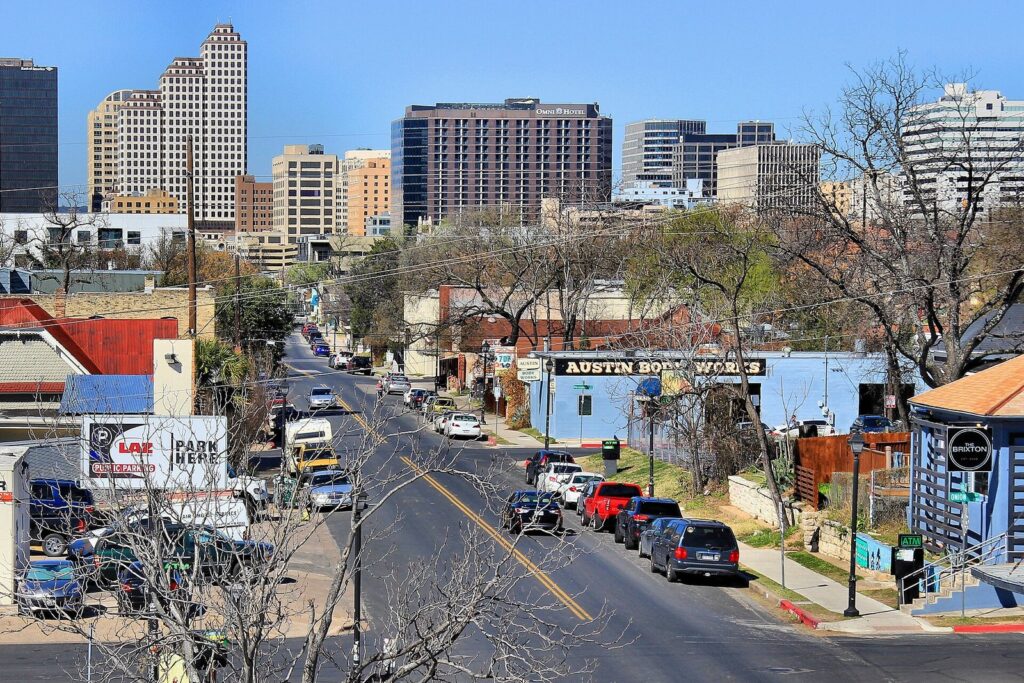
Pick the neighborhood before the hotel. Downtown works best for a first trip without a car, South Congress suits people who want a neighborhood feel with shops and patios outside the door, and East Austin fits a trip built around food and bars. The full answer to where to stay in Austin depends on your dates and whether you’ll drive, but the trade-offs below cover most first visits.
| Area | Best for | Trade-off | Car needed? |
|---|---|---|---|
| Downtown (Congress Avenue, 2nd Street, Rainey Street) | First visits, walking to sights and music | Priciest on event weekends; nightly parking fees; late-night noise near Sixth Street | No |
| South Congress and Travis Heights | Shops, patios, music clubs, a short bus ride to downtown | Fewer rooms, so they go early | No |
| East Austin | Food, cocktail bars, smaller hotels | Spread out; some blocks are quiet at night, others loud | Helpful |
| Zilker and Barton Springs Road | Swimming, trails, festival access | Few hotels; ACL weekends are chaotic | Helpful |
| UT campus area | Museums and campus sights within walking distance | Home football Saturdays fill the area | No |
| The Domain and North Austin | Shopping, business trips, newer hotels | A long way from the classic sights | Yes |
On South Congress, the Hotel San José is operating as usual beside its sister coffee shop, Jo’s, while the South Congress Hotel is closed until its 2027 relaunch. Staying near the airport makes sense only for a dawn flight, and staying on the lakes or in the Hill Country only if they’re the point of the trip, because you’ll drive into town for everything else.
Verdict: for a first visit without a car, stay downtown south of the Capitol or on South Congress near the river. You’ll walk to half the list and take a short bus or ride to the rest.
How do you get from the airport to downtown?
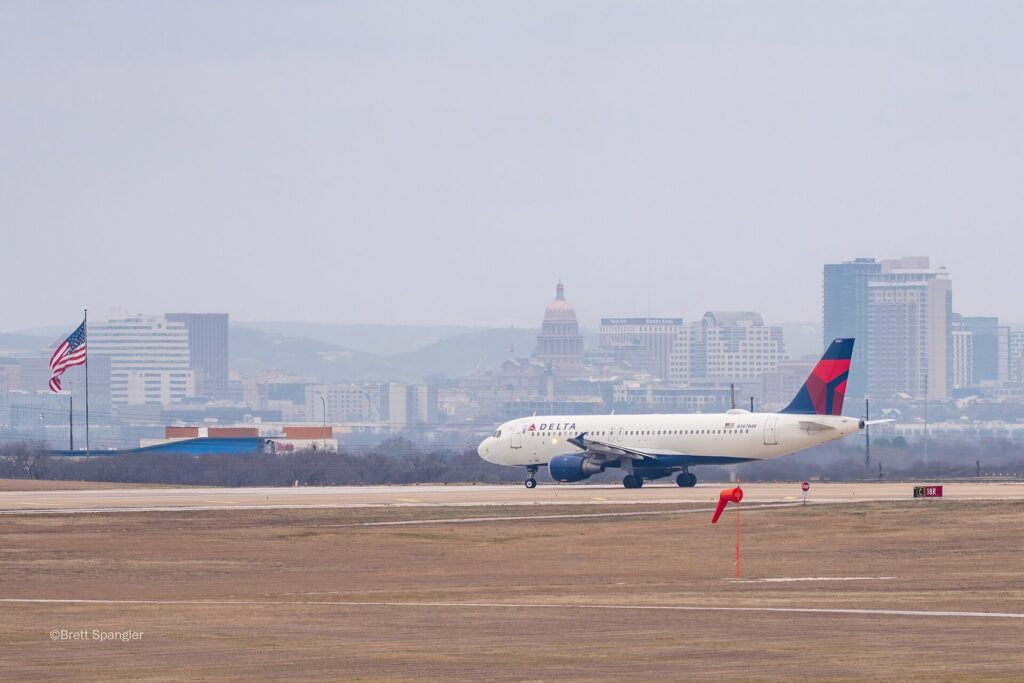
Austin-Bergstrom International Airport (AUS) sits southeast of downtown, on the grounds of the old Bergstrom Air Force Base. Since April 1, 2026, all passenger flights use the Barbara Jordan Terminal, after Allegiant and Frontier moved over from the smaller South Terminal. Expansion work continues around the building, so follow the posted signs rather than memory.
| Option | Cost | Where to find it | Best for |
|---|---|---|---|
| CapMetro Route 20 bus | $1.25 with tap to pay | Airport stop; runs every 15 to 30 minutes, seven days a week | Light packers heading downtown or to UT |
| Rideshare or taxi | Varies with demand | Ground level under the Consolidated Rental Car Facility, behind the Red Garage | Most visitors, groups, late arrivals |
| Rental car | Daily rate, plus parking at your hotel | Consolidated Rental Car Facility | Trips with Hill Country or lake days |
| Accessible pickup | Free zone | Mobility Assistance Zone, open 7 a.m. to 2 a.m. | Wheelchair users and anyone who needs extra help |
Route 20 runs along Riverside Drive and stops downtown and at the University of Texas. It’s the cheapest way in by a wide margin, but it’s a regular city bus, so it suits a carry-on better than a family’s worth of suitcases. For rideshare and taxis, a tram runs from both entrances of the Red Garage on its first floor, which is the easy way to reach the pickup area with bags. By car, the drive downtown is usually 15 to 25 minutes outside rush hour; on a festival Friday, plan on double.
Going home, the airport’s advice is specific: arrive at least 2.5 hours before a domestic flight if you’re using general TSA screening, and check in at the airline counter at least 3 hours before an international departure. Airport parking fills quickly around the holidays, and if someone is collecting you, the cell phone lot is at 2901 Spirit of Texas Drive. If you check out hours before a late flight, the Visit Austin Visitor Center at 103 E. Fifth St. stores luggage for $8 a piece per day, space permitting.
Do you need a car in Austin?
Not if you stay central and keep to the city. Downtown, South Congress, Zilker and the UT campus connect easily by foot, bus, bike and the occasional rideshare. You’ll want a car for Hamilton Pool, McKinney Falls State Park (13 miles from the Capitol), Lake Travis and any Hill Country town, and it helps for the Lady Bird Johnson Wildflower Center, where parking is limited at busy times. The efficient move is to rent for a day or two in the middle of the trip instead of paying to park a car you barely use.
| Mode | Cost | Good for | Watch out for |
|---|---|---|---|
| Walking | Free | Downtown, Congress Avenue, the Butler Trail | Summer afternoons; long blocks without shade |
| CapMetro bus | $1.25, capped at $2.50 a day with tap to pay | Downtown to SoCo, UT, Zilker and the airport | Frequency varies by route, so check before waiting in the sun |
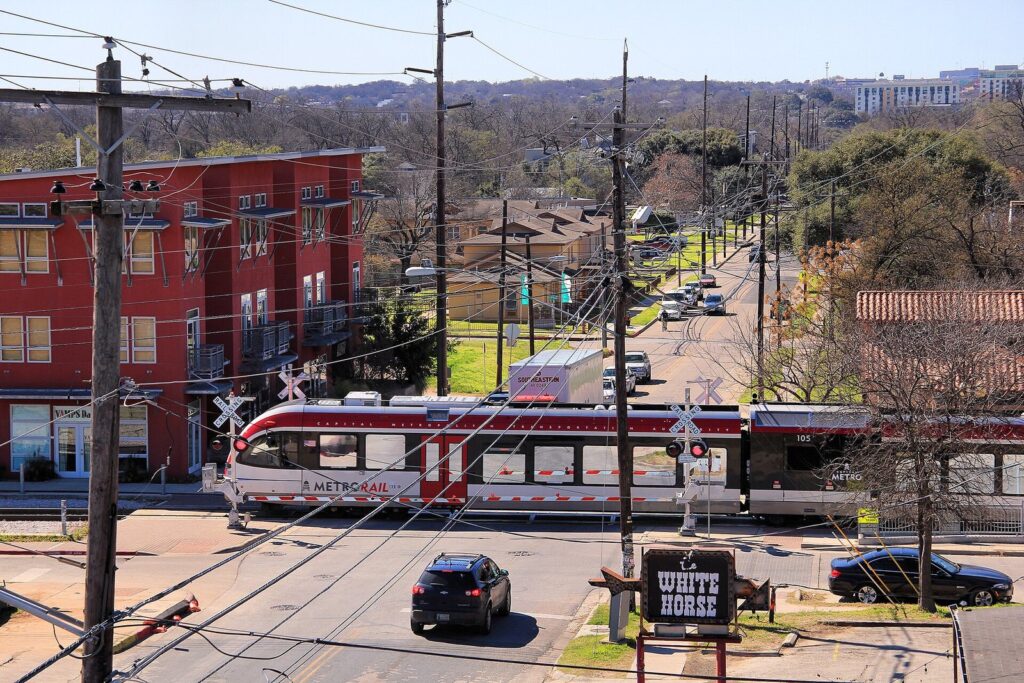
| CapMetro Rail | $3.50 a ride | North Austin, and Austin FC games via McKalla station | No Sunday service; evening service ends early Monday to Thursday |
| CapMetro Bikeshare | $2.50 plus 25¢ a minute; $10 day pass | Lady Bird Lake and short hops | Heat, and the hills west of MoPac |
| Rideshare and taxis | Varies with demand | Nights out, the airport, the Wildflower Center | Surge pricing after shows and festivals |
| Rental car | Daily rate plus parking | Hill Country, lakes, Hamilton Pool | Downtown parking costs; I-35 construction |
A few details save money and time. Tap to Pay works on buses only, not the train, and it caps what you spend at $2.50 a day. For the train, use the Umo app or a reloadable fare card. CapMetro Rail runs Monday to Thursday from 5 a.m. to 8 p.m., Friday from 5 a.m. to midnight and Saturday from 10 a.m. to midnight, with no Sunday trains. Parking at Zilker Park and Barton Springs is free on weekdays, but on spring and summer weekends and holidays, through Labor Day, the City charges $3 an hour.
Verdict: go car-free for a city trip and rent for a single day if the Hill Country calls. Driving in Austin isn’t hard; paying to park while you walk everywhere is just a bad deal.
What should you book before you go?
Very little in Austin needs booking weeks ahead, but the few things that do will sink a day if you forget them. Here’s what to reserve, and roughly when.
| What | When to book | Walk-up? | Details |
|---|---|---|---|
| Hotels for SXSW, ACL, Formula 1 or UT home games | Months ahead | Rarely | Check event dates before you choose yours |
| Hamilton Pool Preserve | As soon as your date is set | No | Two slots: 9 a.m. to 12:30 p.m. and 2 to 5:30 p.m.; no entry after your slot ends |
| Texas Governor’s Mansion tour | At least one week ahead | No | Free; ID details due by noon a week before; no tours July to September |
| McKinney Falls State Park day pass | Ahead for weekends and holidays | Risky | Day passes sell out every weekend and holiday |
| Franklin Barbecue pre-order | 2 to 56 days ahead | Join the line instead | Five-pound minimum, to-go only |
| Bat cruise | Two or three days ahead in late summer | Sometimes | Boats leave about 30 minutes before sunset; some September sailings sell out |
| Lady Bird Johnson Wildflower Center | A day or two; earlier in spring | Yes | Buying ahead is strongly encouraged; credit cards only |
| Esther’s Follies | Ahead for weekend shows | If seats remain | All seats reserved |
Walk-up is fine for the Capitol (groups of more than 10 should reserve), Barton Springs, most museums and the bats from the bridge. Barbecue lines are their own ritual. Franklin opens at 11 a.m. Tuesday to Sunday and serves until the meat runs out, usually by 2 or 3 p.m., and people who want to be sure of brisket arrive long before the doors open.
Verdict: book Hamilton Pool and any event-weekend hotel first, then the Governor’s Mansion if it’s on your list, and leave the rest loose. Austin rewards spontaneity everywhere except at the swimming hole and the smoker.
Is Austin safe for visitors?
For most visitors, the risks people underestimate in Austin are environmental: heat and water. Both are predictable, and both are easy to plan around once you take them seriously. For everything else, use the same big-city sense you’d use anywhere.
Heat
From late May to late September, expect highs of 90°F or more, and in early August the upper 90s are normal. Carry water everywhere, schedule your walking for the morning and evening, and treat shade as a planning tool rather than a luxury. Dizziness, nausea, heavy sweating or a headache that won’t quit are signs of heat exhaustion: stop, get indoors and cool down. Build a pool, a museum or a long lunch into the middle of every summer day.
Flash floods
The National Weather Service describes Austin as part of Flash Flood Alley, and the record backs it up: storms here have dropped more than 5 inches of rain in a few hours. Low-water crossings flood fast, sometimes when it isn’t raining where you are. Never drive or walk into moving water. The Weather Service’s “Turn Around, Don’t Drown” slogan exists because about a foot of moving water can carry off most cars, and six inches can knock you off your feet. Check the forecast before any creek hike or Hill Country drive, especially in May, June and October.
Water
Swim only where swimming is allowed. Lady Bird Lake is off-limits by City code. Barton Springs has lifeguards during its guarded hours, 8 a.m. to 10 p.m. on most days, and Hamilton Pool allows water access in only a small area because of falling rock. The City also reported mats of potentially toxic blue-green algae in June 2026 at Red Bud Isle on Lady Bird Lake and Walsh Boat Landing on Lake Austin, so keep dogs out of the water wherever warnings are posted.
Nights out
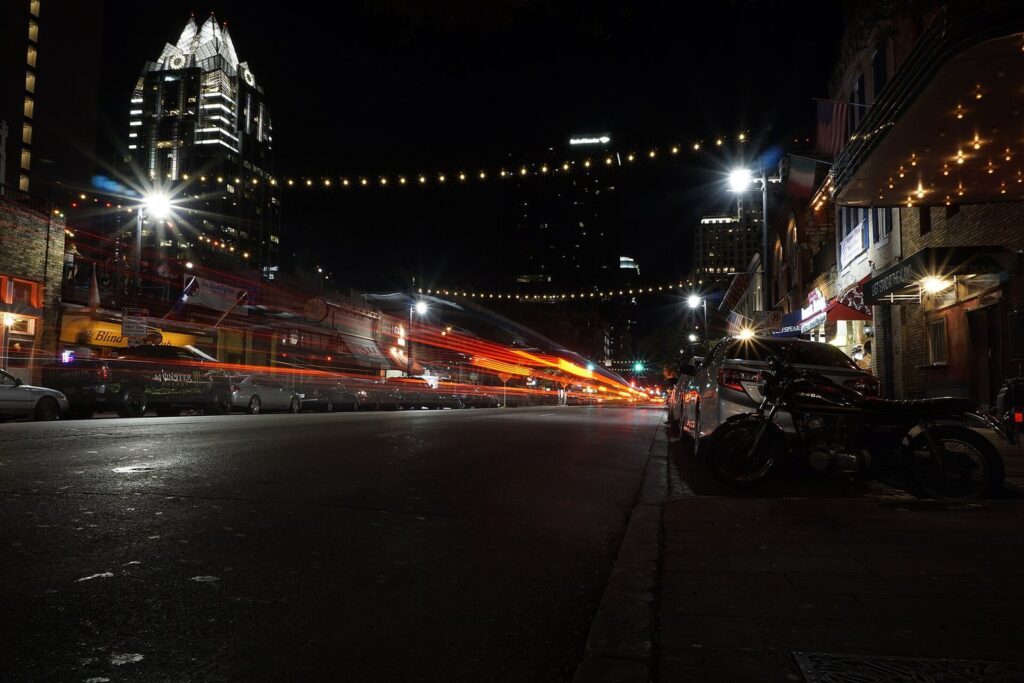
Austin nightlife concentrates on a few strips: Sixth Street, Rainey Street, the Red River Cultural District and the bars along East Sixth. The usual rules apply: stay with your group, watch your drink, and agree on a meeting spot, because finding your rideshare on a packed street at closing time takes patience. Don’t leave anything visible in a parked car, downtown or at a trailhead.
Smaller hazards worth knowing
- Bats: never touch one, even a bat on the ground. If a person or pet may have been bitten, call 3-1-1.
- Fire ants: check the grass before you sit down in a park. The mounds are low, and the stings are memorable.
- Emergencies: call 911. For non-emergency City issues, 3-1-1 reaches the City of Austin.
What do first-time visitors get wrong?
- Booking a festival weekend by accident. If a hotel price looks strange, look up the dates. ACL, Formula 1, SXSW and UT home games explain most surprises.
- Renting a car for a downtown-only trip. Nightly hotel parking can cost more than the rides you’d take instead.
- Showing up at Hamilton Pool without a reservation. You won’t get in, and it’s a long way to drive just to turn around.
- Planning a Thursday midday swim at Barton Springs. The pool closes from 9 a.m. to 7 p.m. that day for cleaning, although early-morning and evening swims still happen.
- Counting on the train on Sunday. There isn’t one.
- Arriving at Franklin at noon on a Saturday. Pre-order, go on a weekday, or pick another smokehouse.
- Treating the Hill Country as a quick hop. Wimberley is roughly an hour away and Fredericksburg closer to an hour and a half, on roads you won’t want to rush.
- Over-scheduling kids in the heat. Families planning Austin with kids do best with one outdoor stop in the morning and a pool or museum after lunch.
Austin travel guide FAQ
Is three days enough for Austin?
Yes, for a first visit. Three days covers the Capitol and a museum, South Congress, Zilker Park and Barton Springs, East Austin’s food, a couple of music nights and the bat flight in season. Add a fourth or fifth day only if you want Hamilton Pool, Lake Travis or a Hill Country town, since each needs a car and most of a day.
When is the cheapest time to visit Austin?
Usually the weeks without a big event: much of the summer outside holiday weekends, and January into February. Room prices follow demand more than seasons, so a midweek stay in a quiet week often beats a weekend in any month. Check the dates for SXSW, ACL, Formula 1 and UT home football before you book, and compare Sunday-to-Thursday stays.
How early should you get to the Austin airport?
Austin-Bergstrom advises arriving at least 2.5 hours before a domestic flight if you’re using general TSA screening, and checking in at least 3 hours before an international departure. Leave extra time around holidays and festival weekends, when parking fills and lines grow. All passenger flights now use the Barbara Jordan Terminal, so there’s no second terminal to worry about.
Is Barton Springs Pool open all year?
Yes. The spring-fed pool holds 68 to 70°F year-round and is open 5 a.m. to 10 p.m. most days, with lifeguards from 8 a.m. On Thursdays it closes from 9 a.m. to 7 p.m. for cleaning. The City charges entry from spring break through October, when non-resident adults pay $9. Check the City’s pool status page after heavy rain, which occasionally closes it.
When can you see the Congress Avenue bats?
The Mexican free-tailed bats roost under the bridge from about March into the fall and emerge around sunset. The Austin Bat Refuge names March to early May and late July to mid-September as the best viewing windows. Watching from the bridge or the lawn on the southeast bank is free; boat tours cost extra and can sell out in late summer.
What should you pack for Austin?
Sun protection, a refillable water bottle and shoes you can walk in all day, in any season. Add a light rain shell from March to June and in October, a layer for the heavily air-conditioned indoors in summer, and a real jacket from December to February, when a cold front can drop temperatures sharply overnight. Pack a swimsuit whatever the month.
Related Austin Guides
- Best Austin Attractions and Things to Do: the ranked list of sights, with costs, hours, the best time to go and how to pair them by area.
Sources and verification
The details in this guide were checked on September 23, 2026 against the operators and agencies listed below. The guide is compiled from these official sources rather than from other travel lists, and it doesn’t claim first-hand visits. Prices, hours and event dates change, so confirm anything critical with the operator before you go.
- National Weather Service, Austin/San Antonio office: Austin climate summary
- Austin-Bergstrom International Airport: travel tips and FAQ; ground transportation; Journey With AUS expansion program
- CapMetro: fares; how to pay; proposed fare change; airport service; CapMetro Rail; CapMetro Bikeshare
- City of Austin: hotel occupancy tax; Barton Springs Pool; pool fees; Barton Springs retaining-wall project; park closures and ACL impacts; Zilker Park; Lady Bird Lake; Butler Hike-and-Bike Trail; algae in Austin’s waterways; Carver Museum
- Austin Convention Center: expansion and redevelopment
- Visit Austin: Visitor Center
- Texas State Preservation Board and Office of the Governor: Capitol hours; Capitol tours; Governor’s Mansion tours; Mansion tour schedule
- Museums: Bullock Texas State History Museum; Blanton Museum of Art; Harry Ransom Center
- Parks and nature: Travis County Parks, Hamilton Pool Preserve; Texas Parks and Wildlife, McKinney Falls State Park and entrance fees; Lady Bird Johnson Wildflower Center; Rowing Dock rentals
- Bats: Austin Bat Refuge and its found-a-bat advice; Bat Conservation International; Capital Cruises
- Events: SXSW 2027 dates; Austin City Limits Music Festival; Formula 1 United States Grand Prix
- Businesses: Franklin Barbecue and its pre-order rules; Esther’s Follies tickets
- News: Community Impact on the South Congress Hotel renovation
Photo credits
- Congress Avenue and the Texas Capitol: photo by Utexas06 at English Wikipedia, Wikimedia Commons (public domain)
- Pennybacker Bridge over Lake Austin: photo by User:Dbtfz, Wikimedia Commons (public domain)
- Hill Country road with bluebonnets: photo by Earl Mcgehee, Wikimedia Commons (CC BY-SA 3.0)
- Barton Springs Pool: photo by Ligocsicnarf89, Wikimedia Commons (CC BY 4.0)
- East Sixth Street, East Austin: photo by Larry D. Moore, Wikimedia Commons (CC BY 4.0)
- Austin-Bergstrom International Airport: photo by Brett Spangler, Wikimedia Commons (CC BY-SA 2.0)
- CapMetro Rail on Comal Street: photo by Larry D. Moore, Wikimedia Commons (CC BY 4.0)
- Sixth Street at night: photo by Spawnzilla, Wikimedia Commons (CC BY-SA 4.0)
- Downtown Austin across Lady Bird Lake (featured image): photo by Rish0203, Wikimedia Commons (CC0)